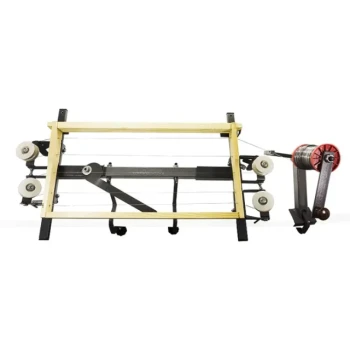
Professional beekeeping tools optimize workflow by merging operator safety with high-precision mechanics. These tools—ranging from basic hive tools and smokers to advanced hive-making machinery—transform chaotic interactions into controlled processes, enabling smooth hive entry, effective colony calming, and precise frame extraction to minimize downtime.
Core Insight: Research suggests many apiaries operate at only 46% economic efficiency due to improper resource allocation. By configuring the correct production tools and standardized hardware, commercial operations can reduce resource input by up to 54% while maintaining or improving honey output.
Enhancing Operational Continuity and Safety
Minimizing Operator Risk
The foundation of a consistent workflow is the safety of the human operator. Protective clothing and specialized gear prevent injuries that would otherwise halt operations. By reducing the risk of stings and physical harm, apiaries ensure that daily maintenance schedules remain uninterrupted.
Precision Hive Access
Commercial efficiency relies on the speed at which hives can be serviced. Professional hive tools allow operators to pry open hives smoothly and extract frames with precision. This mechanical advantage reduces the time spent struggling with propolis-sealed components, allowing for faster throughput during inspections.
Managing Colony Behavior
Workflow is often dictated by the temperament of the bees. The use of bee smokers is critical for calming the colony before and during interaction. This simple tool neutralizes defensive behavior, allowing the beekeeper to work efficiently without triggering an aggressive response that could endanger the colony or the staff.
Maximizing Resource Utilization
Closing the Efficiency Gap
Improper tooling leads to significant resource waste. Strategic investment in specialized hardware ensures that every dollar of capital input is utilized fully. This direct intervention addresses low-efficiency issues, potentially doubling the resource effectiveness of the operation.
Shifting Focus from Labor to Strategy
Advanced electromechanical equipment reduces the reliance on heavy physical labor. By automating physically demanding tasks, beekeepers can redirect their energy toward technical management and localized breeding practices. This shift allows for refined management of colonies rather than simple brute-force maintenance.
The Role of Standardization and Mechanization
Achieving Dimensional Consistency
Industrial-grade hive-making machines produce components with high precision. This ensures that every honeycomb unit and frame is structurally identical. Dimensional consistency is not just an aesthetic metric; it is the fundamental requirement for large-scale operations.
Facilitating Interchangeability
When hive components are standardized, equipment becomes fully interchangeable across thousands of colonies. This simplifies assembly and maintenance, eliminating the bottleneck of sorting through mismatched parts. Furthermore, it ensures compatibility with downstream automation, such as centrifugal extractors and filling machines.
Strengthening Operational Resilience
Mechanical solutions provide independence from external shocks. By utilizing advanced machinery for hive creation and management, apiaries become less reliant on imported supplies. This technological empowerment acts as a buffer against supply chain disruptions or border closures.
Biological Integrity and Disease Control
Simulating Natural Hygiene
Professional tools are designed to reinforce the bee superorganism's natural defenses. Mechanized equipment for waste management and inspection reduces the need for intrusive human handling. This lowers the risk of cross-infection and helps maintain the colony's immune homeostasis.
Early Pest Detection
The safety provided by professional equipment encourages more frequent and thorough inspections. Regular checks are essential for the early detection of pests like wax moths and ants. Identifying these threats early prevents yield loss and protects the significant investment represented by each colony.
Understanding the Trade-offs
Initial Capital vs. Operational Savings
While the potential to reduce resource input by 54% is significant, it requires substantial upfront investment. Transitioning to industrial-grade hive-making machines and automated equipment demands a strategic allocation of capital that may strain short-term cash flow before long-term efficiencies are realized.
The Training Requirement
Advanced tools require advanced knowledge. Implementing these technologies necessitates a commitment to professional training and educational aids. Staff must master modern machinery and standardized procedures; otherwise, the equipment may be misused, negating its efficiency benefits.
Making the Right Choice for Your Goal
To select the right tooling strategy for your apiary, assess your primary operational objectives:
- If your primary focus is Economic Efficiency: Prioritize standardized hive-making machinery and automation to capitalize on the potential 54% reduction in resource input costs.
- If your primary focus is Colony Health and Stability: Invest heavily in protective gear and hygiene-focused inspection tools to facilitate frequent, safe checks and reduce disease transmission risks.
- If your primary focus is Operational Independence: Focus on electromechanical manufacturing equipment to internalize your supply chain and insulate your apiary from external market disruptions.
Success in commercial beekeeping is no longer just about biology; it is about leveraging precise tools to turn a natural process into a scalable, predictable industrial operation.
Summary Table:
| Optimization Factor | Impact on Workflow | Key Professional Tools |
|---|---|---|
| Operator Safety | Reduces downtime and prevents interruptions | Protective clothing, Bee smokers |
| Resource Utilization | Cuts resource input by up to 54% | Electromechanical equipment, Hive-making machines |
| Standardization | Enables component interchangeability | Industrial-grade hive machines, Precise frame tools |
| Colony Management | Faster inspections & better disease control | Precision hive tools, Waste management equipment |
| Scalability | Simplifies large-scale assembly & maintenance | Automated centrifugal extractors, Filling machines |
Scale Your Apiary Operations with HONESTBEE
Transitioning from manual labor to industrial-grade efficiency is the key to commercial success. At HONESTBEE, we empower commercial apiaries and distributors with the high-precision tools and machinery needed to achieve a predictable, scalable operation.
Our value to your business:
- Comprehensive Wholesale Range: From specialized hive-making and honey-filling machines to essential industry consumables.
- Operational Excellence: Standardize your components to reduce resource waste by up to 54% and ensure full equipment interchangeability.
- Total Support: We provide the full spectrum of beekeeping hardware and honey-themed cultural merchandise to help you lead the market.
Ready to transform your apiary's workflow and maximize your honey output?
Contact HONESTBEE Today to Explore Our Wholesale Solutions
References
- Ramashrit Singh. CURRENT HONEY MARKET IN INDIA - VOLUME AND VALUE. DOI: 10.47070/ijapr.v9i8.2050
This article is also based on technical information from HonestBee Knowledge Base .
Related Products
- Professional 600D Oxford Cloth Beekeeping Tool Bag with 8 Pockets and Elastic Loops
- HONESTBEE Professional Mini J-Hook Hive Tool for Beekeeping
- Double Head Beekeeping Grafting Tools for Beekeepers
- HONESTBEE 15-in-1 Beekeeper Multi-Tool with Hammer and Pliers for Beekeeping
- Stainless Steel J Hook Hive Tool for Beekeeping
People Also Ask
- What is the recommended method for storing beekeeping tools? Expert Vertical Storage Solutions for Your Apiary
- Why is the treatment of beekeeping tools with high-concentration chemical disinfectants necessary for preventing AFB?
- How does a favorable microclimate interact with beekeeping tools? Boost Overwintering Success and Equipment Longevity
- What essential beekeeping tools are needed besides the hive? Must-Have Gear for Every Apiary
- How does the genetic identification of honeybee populations influence the selection of beekeeping tools? Precision Gear Guide