Professional filtration and centrifugation serve as the critical bridge between raw hive output and retail-ready products. These industrial technologies mechanically separate mature honey from the honeycomb while systematically removing physical impurities such as wax fragments, larvae, and debris. This process guarantees the high standards of hygiene, clarity, and consistency required for commercial certification and entry into premium markets.
Core Takeaway While raw honey is a natural product, professional processing transforms it into a standardized commodity. By decoupling the honey from the comb without destroying the hive structure and filtering out contaminants, producers achieve the necessary purity for food safety compliance while significantly boosting economic yield.
The Role of Centrifugation in Yield and Purity
Preserving the Hive Architecture
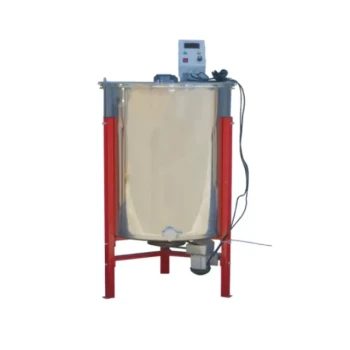
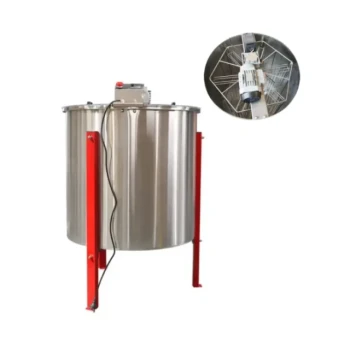
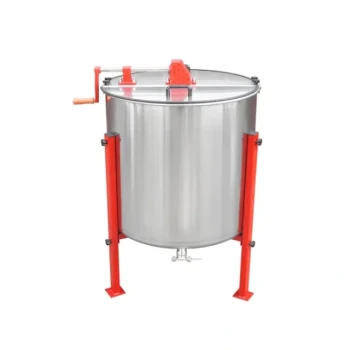
Unlike destructive harvesting methods that crush the comb, centrifugal extractors use rotational force to spin honey out while keeping the wax structure intact.
This is economically vital because honeybees consume significant energy to produce wax. By returning intact combs to the hive, the colony redirects energy from rebuilding to making more honey, directly increasing production yields.
Preventing Cross-Contamination
Manual or crushing methods often mix honey with excess pollen, beeswax, and brood fluids.
Centrifugation allows for precise separation at the source. It ensures that the liquid honey extracted is relatively clean before it even reaches the filtration stage, safeguarding the flavor profile against the heavy, waxy notes associated with crushed harvests.
Filtration: Achieving Commercial Standards
Elimination of Physical Impurities
Raw honey often contains "hive debris," including air bubbles, wax particles, and organic matter.
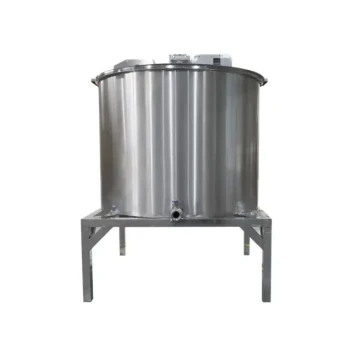
Multi-stage filtration systems remove these suspended solids. This step is non-negotiable for commercial markets, which demand a product that is visually transparent and free from foreign substances that could harbor bacteria or accelerate spoilage.
Sensory and Chemical consistency
Retail consumers and high-end markets expect a consistent sensory experience.
Settling tanks and fine filters remove microscopic matter that causes cloudiness. Furthermore, advanced processing ensures the honey preserves essential biochemical markers (like proline) and maintains specific moisture levels, verifying the honey is fully ripened and preventing fermentation during storage.
Understanding the Trade-offs
Balancing Clarity with Nutrition
While filtration is necessary for hygiene, there is a fine line between purification and over-processing.
Aggressive ultra-filtration can strip honey of all pollen grains. While this creates a crystal-clear product, it may remove the botanical "fingerprint" used to verify the honey's origin, potentially lowering its value in artisan or medicinal markets.
The Risk to Bioactive Components
Processing equipment must be managed carefully to preserve the honey's health benefits.
If the separation and filtration processes generate excessive heat or friction, they can degrade heat-sensitive enzymes and bioactive compounds. High-precision equipment is designed to mitigate this, but operator control remains critical.
Making the Right Choice for Your Goal
To maximize the value of your honey production, align your processing method with your target market.
- If your primary focus is Mass Retail Distribution: Prioritize multi-stage filtration and moisture stabilization to ensure indefinite shelf stability, absolute clarity, and compliance with strict international hygiene standards.
- If your primary focus is High-Yield Commercial Production: Invest heavily in high-capacity centrifugal extractors to preserve drawn comb, allowing your colonies to produce the maximum volume of honey per season.
- If your primary focus is Artisan or Raw Markets: Utilize gravity settling and coarse straining rather than fine pressure filtration to remove debris while retaining the pollen and enzymes that discerning customers pay a premium for.
Professional processing elevates honey from a raw agricultural ingredient to a trusted, high-value consumer product.
Summary Table:
| Process Component | Primary Function | Commercial Benefit |
|---|---|---|
| Centrifugation | Mechanical separation of honey from the comb | Increases yield; preserves comb structure for reuse |
| Multi-stage Filtration | Removal of wax, larvae, and hive debris | Ensures food safety compliance and visual clarity |
| Settling Tanks | Elimination of air bubbles and micro-particles | Enhances shelf stability and sensory consistency |
| Moisture Control | Stabilization of water content | Prevents fermentation and ensures product longevity |
Scale Your Honey Production with HONESTBEE
Transitioning from raw harvesting to retail-ready excellence requires precision. HONESTBEE specializes in supporting commercial apiaries and distributors with high-performance beekeeping tools and machinery. Whether you need high-capacity centrifugal extractors to maximize your seasonal yield or advanced honey-filling machines for your production line, we provide the full spectrum of industrial equipment and essential consumables.
Ready to elevate your honey quality and meet international market standards? Contact HONESTBEE today to discover how our comprehensive wholesale solutions can streamline your operations and grow your business.
References
- Simone Athayde, Wemerson Chimello Ballester. Engaging indigenous and academic knowledge on bees in the Amazon: implications for environmental management and transdisciplinary research. DOI: 10.1186/s13002-016-0093-z
This article is also based on technical information from HonestBee Knowledge Base .
Related Products
- electric honey extractor honey centrifuge 3 frame honey extractor stainless steel honey frame extractor
- Manual Hand Crank 4 Frame Honey Extractor Centrifuge for Beekeeping
- Professional 4 Frame Self Reversing Electric Honey Extractor for Beekeeping
- Honey Concentrating and Filtering Dehumidifier Machine 2T Capacity for Honey
- Honey Concentrating Vacuum Heating Thickening Machine Dehumidifier for Honey
People Also Ask
- What are the characteristics of electric honey extractors? Boost Your Apiary Efficiency with Automated Technology
- What are the disadvantages of using an electric honey extractor? Weighing Cost, Power, and Comb Safety
- What are the advantages of an electric honey extractor? Boost Efficiency and Scale Your Honey Production
- What are the technical advantages of electric honey extractors? Maximize Yield and Protect Your Bee Colony
- How does an electric honey extractor affect the quality of honey? Preserve Flavor & Purity with Precision Extraction