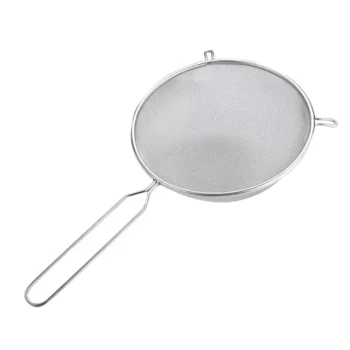
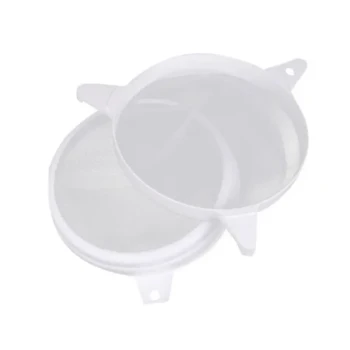
Professional honey extraction and filtration equipment transform raw honey into a high-value commercial asset by ensuring maximum purity, visual clarity, and hygiene. These systems utilize centrifugal force to separate honey from the comb without destroying the wax structure, followed by precision filtration to remove micro-impurities. This standardized process elevates the honey from a raw agricultural byproduct to a premium, shelf-ready commodity that meets strict international food safety standards.
Professional processing equipment is the cornerstone of honey value-addition, replacing destructive manual methods with mechanical precision. By preserving the honeycomb and the honey's natural enzymes while ensuring visual clarity, businesses can command higher market premiums and build long-term brand equity.
Enhancing Marketability Through Mechanical Precision
The Power of Centrifugal Extraction
Modern extractors use centrifugal force to pull honey from the cells while keeping the wax frames intact. This non-destructive method is a critical value driver because it allows beekeepers to reuse wax frames, significantly reducing the energy bees spend on rebuilding comb.
For a business unit, this translates to faster production cycles and higher yields per hive. By avoiding the traditional "crush and strain" method, the honey remains free from excess wax particles and provides a cleaner starting point for filtration.
Multi-Stage Filtration and Sensory Appeal
Professional filtration systems use multi-stage technology to remove larval residues, beeswax fragments, and hive debris. This process directly impacts the sensory quality of the honey, resulting in the high transparency and golden clarity that consumers associate with premium grades.
High clarity is not just aesthetic; it is a primary indicator of commercial grade in the wholesale market. Refined honey that meets these visual standards can be positioned for higher retail pricing and better shelf presence.
Protecting Biological Integrity and Food Safety
Maintaining Nutritional Value
Unlike high-heat industrial processing, professional extraction and filtration focus on physical separation. This ensures that essential enzymes, antioxidants, and nutrients are preserved within the honey.
The ability to market "minimally processed" yet "highly pure" honey is a significant advantage for distributors. It meets the growing consumer demand for products that are both technologically clean and nutritionally intact.
Eliminating Contaminants and Residues
Traditional harvesting often involves open flames or heavy smoke, which can introduce ash and combustion residues into the honey. Professional equipment eliminates these risks by providing a controlled, hygienic environment.
By adhering to modern hygiene standards, a beekeeping unit ensures its product is eligible for export and high-end retail. This reduction in impurities also helps in controlling moisture content, which is vital for preventing fermentation and ensuring product stability.
Optimizing Business Continuity and Resource Management
Frame Preservation and Cost Recovery
The preservation of the honeycomb structure is one of the most overlooked economic benefits of professional equipment. Since bees require significant nectar intake to produce a single gram of wax, reusing frames allows the colony to focus entirely on honey production.
For wholesalers and distributors, this means a more consistent and reliable supply chain. It stabilizes the "honey resources" of a business unit, even during shorter nectar flows or constrained seasons.
Standardized Packaging and Shelf Life
Precision filtration and mechanized bottling preparation extend the shelf life of the final product. By removing micro-impurities that can act as nuclei for crystallization, professional equipment keeps honey in its liquid state for longer periods.
Standardization is key for B2B resellers who require uniform quality across large batches. Professional equipment ensures that every jar meets the same specifications for purity, color, and moisture.
Understanding the Trade-offs
While professional equipment offers clear advantages, it requires a higher initial capital investment compared to manual methods. This can be a barrier for smaller units, though the ROI is typically realized quickly through higher product margins.
Additionally, mechanized systems require strict maintenance and cleaning protocols to prevent cross-contamination between batches. Without a dedicated technical team or training, the complexity of multi-stage filtration units can lead to operational bottlenecks if not managed correctly.
Making the Right Choice for Your Goal
As a distributor or reseller, your choice of equipment sourcing should align with the specific growth trajectory of your clients' business units.
- If your primary focus is rapid market entry and branding: Prioritize high-clarity filtration systems that ensure the honey meets the "premium" visual standards required for high-end retail.
- If your primary focus is maximizing production volume: Invest in high-capacity electric centrifugal extractors that allow for the reuse of frames to shorten the harvest-to-harvest cycle.
- If your primary focus is international export and compliance: Focus on stainless steel, food-grade equipment that guarantees zero contamination from smoke, ash, or manual handling.
By integrating professional extraction and filtration, a beekeeping business moves from a local craft to a scalable, high-margin commercial enterprise.
Summary Table:
| Feature | Professional Equipment Benefit | Business Impact for Distributors |
|---|---|---|
| Centrifugal Extraction | Preserves wax frames for reuse | Faster production cycles & higher yields |
| Multi-stage Filtration | Removes all micro-impurities | Premium visual clarity & higher retail price |
| Hygienic Design | Eliminates ash and smoke residues | International export compliance & food safety |
| Physical Separation | Maintains enzymes and antioxidants | High-demand "minimally processed" status |
| Standardized Processing | Controls moisture and crystallization | Extended shelf life & uniform batch quality |
Partner with HONESTBEE to Scale Your Beekeeping Distribution
Are you looking to provide your clients with the competitive edge they need in the honey market? HONESTBEE is your premier partner for one-stop sourcing of professional beekeeping machinery and equipment. We cater specifically to distributors, wholesalers, and B2B resellers, offering a comprehensive wholesale portfolio—from specialized honey-filling and hive-making machines to essential industry consumables.
Why HONESTBEE is the choice for industry leaders:
- Premium Trading Services: We offer OEM/ODM support and hold all necessary certifications to ensure global compliance.
- Optimized Profit Margins: High-quality, durable hardware that delivers a rapid ROI for your customers.
- Rapid Fulfillment: Deep professional industry expertise coupled with ultra-fast delivery and efficient order processing.
- Dedicated Support: Exceptional customer service with rapid response times to keep your supply chain moving.
Ready to enhance your product offering with world-class beekeeping technology? Contact HONESTBEE today to discuss our wholesale opportunities!
References
- Manjunatha Goud, A. Meena. EVALUATION OF ENTREPRENEURSHIP DEVELOPMENT PROGRAM (EDP) ON BEEHIVE CULTIVATION CONDUCTED BY NATIONAL INSTITUTE FOR MICRO SMALL MEDIUM ENTERPRISES (NI-MSME) IN TELANGANA, INDIA. DOI: 10.51470/plantarchives.2024.v24.no.2.150
This article is also based on technical information from HonestBee Knowledge Base .
Related Products
- Electric Double Wall Honey Filtering Machine Purifier Equipment for Honey Processing Plant
- Honey Concentrating and Filtering Dehumidifier Machine 2T Capacity for Honey
- Stainless Steel Triangle Support Honey Strainer and Filters
- Professional Stainless Steel Honey Filter with Support Handle
- Professional Stainless Steel Honey Filtering Machine with Water Bath Heating for Beekeeping
People Also Ask
- What is the process of filtering honey? A Guide to Clean, Pure, and Market-Ready Honey
- What types of equipment are used in honey filtering? Build an Efficient System for Pure, Marketable Honey
- What is the overall importance of using the right equipment in honey filtering? Boost Quality & Marketability
- What is a potential concern associated with filtering honey? Balancing Clarity and Pollen Preservation
- What steps are involved in maintaining honey filtering equipment? A Guide to Protecting Your Honey Quality