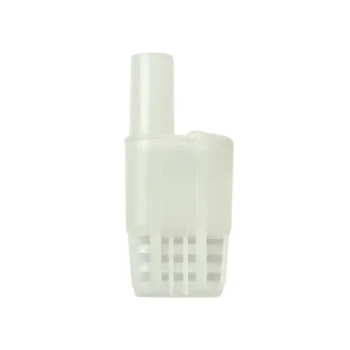
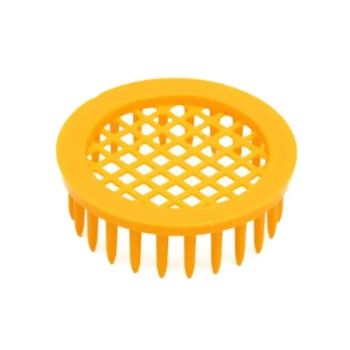
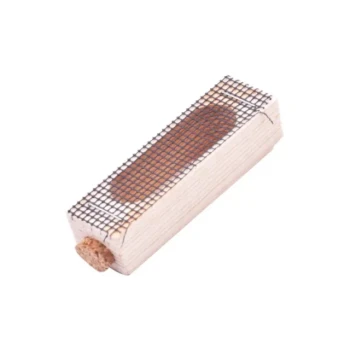
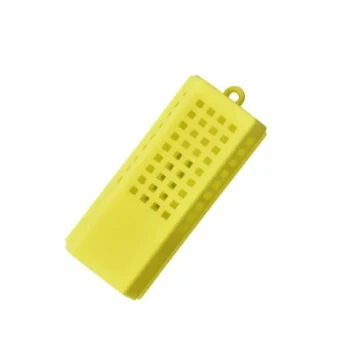
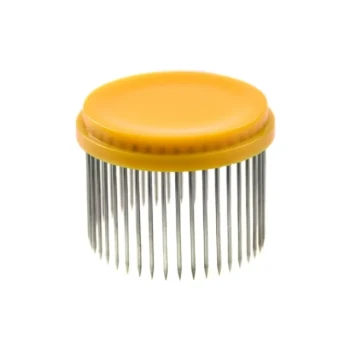
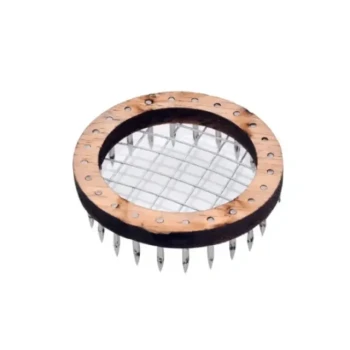
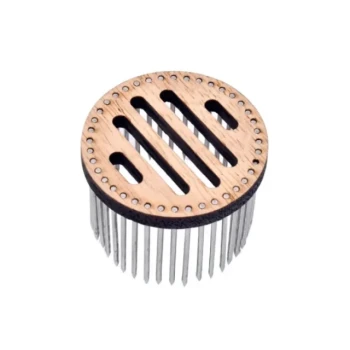
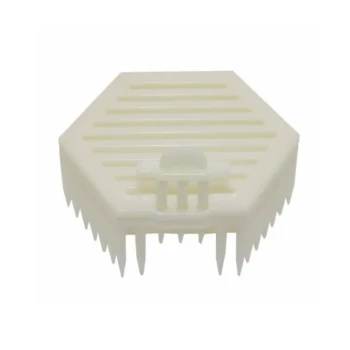
Queen caging consumables function as a biotechnical mechanism to artificially interrupt the honeybee colony's brood-rearing cycle. By confining the queen, you induce a broodless state that forces Varroa destructor mites out of sealed cells and onto adult bees, rendering them vulnerable to treatment.
The Core Insight Queen caging is not a standalone treatment; it is a force multiplier for organic acids. By synchronizing the mite population into an exposed "phoretic" state, caging transforms lower-efficacy organic treatments into high-efficiency eradication tools without relying on persistent synthetic chemicals.
The Mechanics of Brood Interruption
To understand the value of queen caging, you must understand the limitation of most treatments: mites hiding in sealed brood.
Forcing the Phoretic Stage
Varroa mites reproduce inside capped brood cells, where they are protected from many topical treatments.
By caging the queen, you stop the production of new eggs. As existing brood hatches and no new brood replaces it, the colony enters a broodless state.
This forces 100% of the mite population to attach to the bodies of adult bees. This is known as the phoretic stage.
Exposing the Parasite
Once mites are phoretic, they lose the physical protection of the wax capping.
They are now fully exposed to the hive environment. This synchronization is critical for breaking the reproductive cycle of the parasite.
Synergizing with Organic Treatments
The primary strategic value of queen caging is how it enhances the efficacy of organic acids, specifically oxalic or formic acid.
Enhancing Killing Efficiency
Organic acids often struggle to penetrate capped brood cells effectively.
When applied during the artificially induced broodless period, these treatments can reach every mite in the colony.
Sustainable Pest Control
This method allows for a "clean kill" using biophysical means rather than chemical persistence.
It enables effective control without relying on high-residue synthetic miticides, preventing the accumulation of chemicals in the wax and honey.
Biosecurity and Prevention
While the primary control strategy involves treatment within the hive, caging consumables also play a critical role in preventive biosecurity.
Preventing Pathogen Transmission
Specialized cages create a secure micro-environment for shipping breeding stock.
These cages act as a barrier during transit, preventing the accidental introduction of Varroa destructor or associated pathogens, such as Deformed Wing Virus, into new apiaries.
Protecting Genetic Stock
Beyond parasite control, these consumables ensure high-value queens are not physically damaged during domestic or international transfer.
Understanding the Trade-offs
While effective, queen caging is an interventionist strategy that carries specific operational implications.
The Cost of Brood Interruption
The broodless state is a double-edged sword. While it kills mites, it also halts colony population growth.
You must time this intervention carefully—typically when the colony has sufficient population to handle a pause in replacement bees.
Necessity of Follow-up
Caging the queen does not kill mites; it merely exposes them.
If you fail to apply the organic acid treatment at the precise moment of broodlessness, the population of mites will remain high, and the effort of caging will be wasted.
Making the Right Choice for Your Goal
The use of queen caging consumables depends on your specific management philosophy and pest pressure.
- If your primary focus is sustainable, low-residue beekeeping: Use queen caging to synchronize mite populations, maximizing the impact of organic acids like oxalic acid without using synthetics.
- If your primary focus is biosecurity and stock improvement: Utilize specialized shipping cages to ensure that introduced genetics do not bring physical damage or viral pathogens into your operation.
Ultimately, queen caging converts a biological vulnerability—the mite's reliance on brood—into a strategic opportunity for total colony cleanup.
Summary Table:
| Feature | Mechanism of Action | Strategic Benefit |
|---|---|---|
| Brood Interruption | Confines the queen to halt egg-laying | Forces mites out of protected cells into the phoretic stage |
| Treatment Synergy | Pairs with Oxalic/Formic acids | Enhances killing efficiency of organic treatments to near 100% |
| Biosecurity | Secure micro-environment cages | Prevents pathogen transmission during queen shipping and transit |
| Chemical Reduction | Biophysical intervention | Minimizes reliance on synthetic miticides and prevents wax residue |
Elevate Your Beekeeping Operation with HONESTBEE
Are you looking to implement a sustainable, high-efficiency Varroa control strategy? HONESTBEE provides commercial apiaries and distributors with the specialized queen caging consumables and professional-grade beekeeping machinery needed for large-scale success. From precision hive-making equipment to honey-filling systems and essential industry consumables, we offer a comprehensive wholesale portfolio designed to maximize your productivity and colony health.
Partner with HONESTBEE today to secure high-quality tools for your apiary.
Contact Our Sales Team for Wholesale Inquiries
References
- Monica Vercelli, Chiara Ferracini. A Qualitative Analysis of Beekeepers’ Perceptions and Farm Management Adaptations to the Impact of Climate Change on Honey Bees. DOI: 10.3390/insects12030228
This article is also based on technical information from HonestBee Knowledge Base .
Related Products
- Professional Queen Cage with Sliding Gate and Feeder Plug
- Durable Galvanized Steel Spring Queen Bee Cage
- Professional Queen Bee Introduction and Transport Cage
- Multi-Function Queen Roller Cage and Catcher
- Durable Plastic Push In Queen Bee Cage
People Also Ask
- Why are specialized queen bee cages used for the banking of mated queen bees? Maximize Commercial Apiary Storage Efficiency
- What is the mechanism of action for using temporary queen bee cages? Master Successful Queen Introduction
- How is a queen bee released from a queen cage? Ensure Safe Colony Integration & Hive Success
- What is the step-by-step process for installing a queen bee's cage onto a frame? Ensure Hive Acceptance Safely
- What technical precaution must be taken regarding the mesh or grill side of a queen bee cage? Ensure Queen Survival