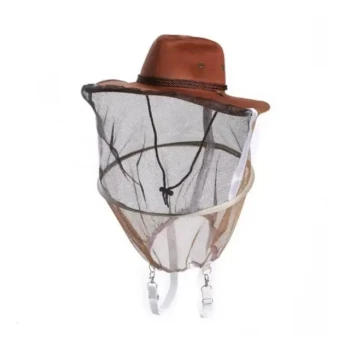
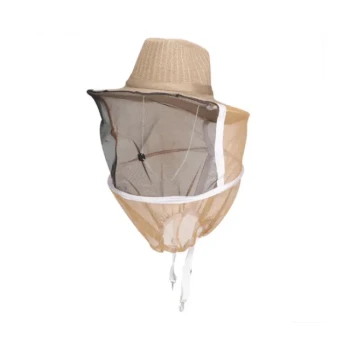
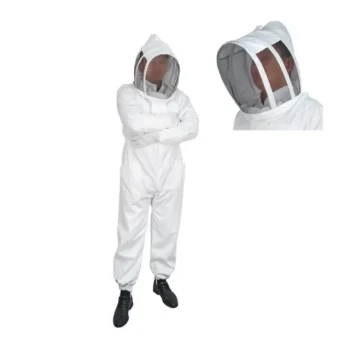
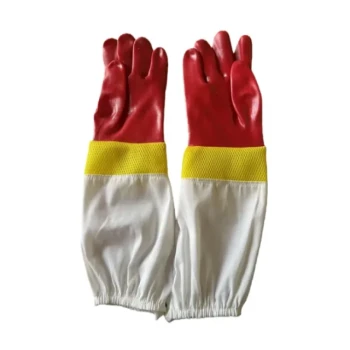
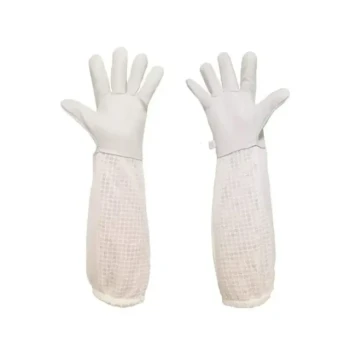
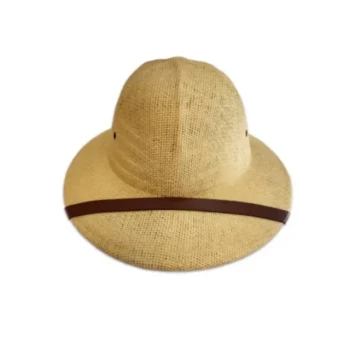
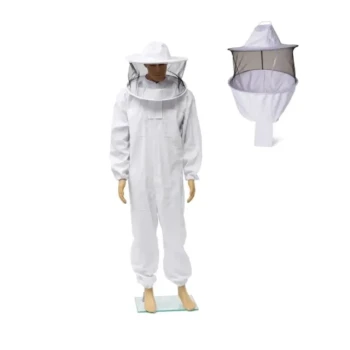
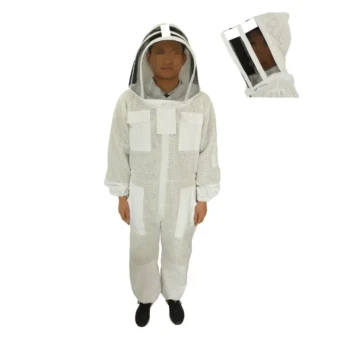
Specialized protective consumables function as a critical operational asset rather than mere safety equipment. By creating a reliable physical barrier against stings, items such as suits, veils, and gloves remove the hesitation associated with hive interaction, allowing management personnel to perform the frequent, deep inspections required to maximize honey yield and quality.
Core Insight: The efficiency of honey production is directly correlated to the frequency and quality of hive management. Protective consumables provide the necessary access to the colony, transforming beekeeping from a reactive, high-risk task into a proactive, data-driven management process.
The Operational Role of Safety Barriers
Eliminating the Physical Risk
The primary function of specialized protective gear is to create an impermeable physical barrier between the beekeeper and the colony. This eliminates the immediate risk of stings, which is the single biggest deterrent to effective hive management.
Enabling Deep Inspections
Without adequate protection, inspections are often rushed or superficial. Specialized consumables allow personnel to confidently dismantle hives and perform deep inspections of the brood nest and honey stores. This depth of access is required to accurately assess the colony's true status.
Transforming Access into Efficiency
Monitoring Resource Reserves
Efficiency in honey production relies on understanding the colony's inventory. With safe access, beekeepers can actively monitor pollen and nectar reserves. This data allows for precise adjustments to ensure the bees have the resources required to produce a surplus.
Proactive Disease Management
A healthy colony is a productive colony. Protective gear enables the close scrutiny needed to identify early signs of pests or diseases. By catching these issues early, beekeepers can intervene before the colony's health—and its ability to produce honey—is compromised.
Optimizing Harvest Timing
The difference between a mediocre yield and a high yield is often timing. Regular access allows beekeepers to pinpoint the exact moment of peak ripeness. This ensures the optimization of the honey harvest, directly influencing both the final quantity and the quality of the product.
Common Pitfalls to Avoid
Over-Reliance on Gear
While protective consumables are essential, they should not replace good technique. Relying solely on thick suits can sometimes lead to rough handling of the bees. Agitation caused by clumsy movements can stress the colony, ultimately reducing their productivity despite the safety of the operator.
The Dexterity Trade-off
There is often a trade-off between protection and tactile feedback, particularly with gloves. Extremely thick protective consumables can reduce manual dexterity. This can make the manipulation of frames difficult and slow down the inspection process, ironically reducing the operational efficiency the gear is meant to support.
Making the Right Choice for Your Goal
To leverage protective consumables for maximum efficiency, align your equipment choices with your specific operational focus:
- If your primary focus is Maximizing Yield: Prioritize gear that allows for rapid, frequent donning and doffing to encourage daily or weekly monitoring of nectar flows.
- If your primary focus is Disease Control: Select consumables that offer maximum coverage and light visibility to facilitate the slow, detailed observation required to spot minute pests like mites.
True efficiency is achieved when safety equipment becomes invisible, allowing the beekeeper to focus entirely on the biology of the hive.
Summary Table:
| Operational Benefit | Impact on Honey Production Efficiency | Key Requirement |
|---|---|---|
| Physical Barrier | Enables deep, calm hive inspections without risk of stings | Reliable, sting-proof material |
| Resource Monitoring | Optimizes harvest timing by tracking nectar and pollen reserves | Frequent colony access |
| Disease Management | Early detection of pests/diseases prevents colony collapse | Detailed visual scrutiny |
| Tactile Feedback | Maintains speed and precision during frame manipulation | High manual dexterity |
| Data-Driven Management | Shifts beekeeping from reactive to proactive optimization | Consistent monitoring schedules |
Scaling Your Apiary Operations with HONESTBEE
At HONESTBEE, we specialize in empowering commercial apiaries and distributors with high-performance beekeeping solutions. From specialized protective consumables that balance safety with dexterity to advanced hive-making and honey-filling machinery, our comprehensive wholesale portfolio is designed for industrial-scale efficiency.
Whether you are looking to secure a reliable supply of essential industry consumables or want to upgrade your facility with specialized hardware, we provide the tools, machinery, and honey-themed cultural merchandise you need to thrive in the global market.
Ready to optimize your yield? Contact our expert team today to discuss how HONESTBEE can streamline your wholesale supply chain.
References
- Desale, Ertiban. Review on Honeybee Forage Diversity and Flowering Seasons in Ethiopia: Implications for Sustainable Beekeeping. DOI: 10.5281/zenodo.17959901
This article is also based on technical information from HonestBee Knowledge Base .
Related Products
- Premium Cowboy Beekeeper Hat with Visibility Veil Outdoor Professional Beekeeping Protective Gear
- Beekeeping Gloves Goatskin Leather with Long Cotton Sleeve for Beekeepers
- White Cotton Beekeeping Jacket and Veil for Bee Keepers
- Beekeeper Cowboy Hat and Veil for Beekeeping
- Beekeeping Jacket with Hood and Veil for Beekeepers
People Also Ask
- What design features contribute to the stability and fit of the beekeeper hat? Key Features for Maximum Hive Safety
- How is the beekeeper hat designed for comfort and practicality? Explore Key Features for Enhanced Apiary Safety
- What is the general protective gear recommendation for new beekeepers? Your Essential Beginner's Safety Guide
- How does beekeeping protective gear facilitate the queen bee selection process? Enhancing Precision in Queen Breeding
- What should beekeepers consider when choosing protective gear? A Guide for Maximum Safety & Comfort