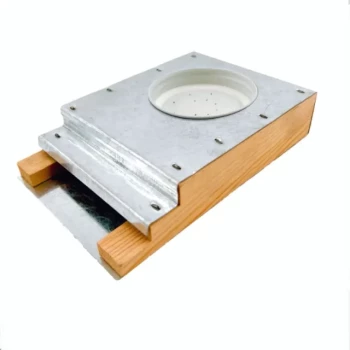
Specialized feeders act as a critical infrastructure for rapid resource accumulation when natural forage is unavailable. They allow beekeepers to efficiently deliver large volumes of prepared syrup, ensuring the colony can build the necessary food reserves to prevent starvation during winter and spring.
Core Insight: The survival of a honeybee colony hinges on the ratio of food stores to population size entering winter. Specialized feeders are not merely delivery devices; they are strategic tools that allow you to artificially manipulate this ratio, securing food stores without triggering the mortality risks associated with open or primitive feeding methods.
The Mechanics of Survival: Why Specialized Feeders Matter
Bridging the Resource Gap
When natural nectar sources are scarce or after a commercial honey harvest, a colony is left vulnerable.
Specialized feeders allow for the immediate introduction of large volumes of syrup. This rapid influx compensates for the loss of natural resources, preventing the colony from dipping into its existing emergency stores too early.
Preventing Winter and Spring Starvation
The primary function of these feeders is to build a "caloric buffer."
By facilitating the quick uptake of heavy syrup, the colony can cure and cap this artificial feed just as they would honey. This creates the accessible energy reserves required to generate heat throughout the winter and sustain the colony until spring blooms appear.
Optimizing Colony Health and Safety
Eliminating Drowning Risks
Primitive feeding methods often result in high worker bee mortality due to drowning.
Specialized feeders feature scientifically designed structures, such as ladders or mesh, that provide safe access to the liquid. This ensures that the effort to feed does not deplete the workforce you are trying to save.
Deterring Robbing Behavior
Introducing sugar syrup can incite "robbing," where stronger external colonies attack to steal food.
Specialized feeders isolate the syrup within specific areas of the hive. By keeping the food source internal and controlled, they minimize the scent signature that attracts robbers, protecting the colony’s resources and physical safety.
Maintaining Hive Climate
Frequent intrusion into the hive disrupts the precise temperature and humidity required for brood rearing.
High-capacity feeders allow for a steady consumption rate (e.g., 1.0 liter every six days) without constant refilling. This reduces the frequency of opening the hive, helping maintain the stable environment necessary for colony health.
Strategic Timing and Energy Allocation
Controlling Biological Imperatives
The timing of feeder usage dictates how the colony utilizes the incoming energy.
Feeders activated early (August) stimulate the rearing of "winter bees," increasing the population. Conversely, feeders activated later (September or October) signal the colony to prioritize food storage over brood rearing.
Nutritional Supplementation
Survival is not based on calories alone; immune function is critical.
Feeders are often used to deliver supplements that replicate the protein and mineral profiles of pollen. This boosts the immune system of worker bees and stimulates the queen, increasing the colony’s overall resistance to seasonal pests and diseases.
Understanding the Trade-offs
While specialized feeders are essential, their misuse can lead to colony imbalances.
The Timing Risk: Feeding too late in the season is a primary failure point. If the ambient temperature drops too low, bees cannot cure the syrup (evaporate the water content). This leaves uncured moisture in the hive, which can lead to dysentery or mold, potentially killing the colony despite the presence of food.
The Population vs. Storage Conflict: Over-feeding during the "population phase" (August) can backfire if the bees fill the brood nest with syrup. This leaves no room for the queen to lay eggs, resulting in a population too small to keep the cluster warm during winter.
Making the Right Choice for Your Goal
To maximize colony survival, align your feeding strategy with your specific objective for the season:
- If your primary focus is increasing the winter population: Activate feeders in August with stimulative syrup to encourage brood rearing and generate long-lived winter bees.
- If your primary focus is ensuring caloric survival: Activate feeders in September or October to force the colony to prioritize curing and storing honey rather than raising new brood.
- If your primary focus is disease resistance: Utilize internal feeders to deliver protein and mineral supplements that mimic natural pollen to boost worker immunity.
Success depends on using the feeder not just to provide food, but to control the colony's behavior before the first frost.
Summary Table:
| Feature of Specialized Feeders | Impact on Colony Survival | Primary Benefit |
|---|---|---|
| High-Volume Delivery | Rapidly builds caloric buffers | Prevents winter/spring starvation |
| Safety Ladders/Mesh | Reduces worker bee mortality | Eliminates drowning risks during feeding |
| Internal Hive Placement | Minimizes scent signature | Deters robbing behavior from other colonies |
| Climate Stability | Reduces frequency of hive openings | Maintains optimal temperature and humidity |
| Supplement Delivery | Boosts immune system and health | Enhances resistance to pests and diseases |
Maximize Your Colony Survival with HONESTBEE
At HONESTBEE, we specialize in supporting commercial apiaries and distributors with high-performance beekeeping infrastructure. Whether you need specialized feeders to secure winter stores or advanced machinery like hive-making and honey-filling systems, our comprehensive wholesale portfolio has you covered. We supply everything from durable hardware to essential industry consumables and honey-themed cultural merchandise.
Ready to scale your beekeeping operations and protect your investment?
Contact HONESTBEE Today to explore our full spectrum of professional tools and equipment designed for the modern beekeeping industry.
References
- P.P. Snegur, M. Yu. Dyakov. On the profitability of beekeeping in conditions of Kamchatka Territory. DOI: 10.30766/2072-9081.2025.26.2.426-436
This article is also based on technical information from HonestBee Knowledge Base .
Related Products
- HONESTBEE Professional Entrance Bee Feeder Hive Nutrition Solution
- HONESTBEE Round Hive Top Bee Feeder for Syrup
- HONESTBEE Entrance Bee Feeder Professional Hive Nutrition Solution for Beekeeping
- HONESTBEE Professional Hive Top Bee Feeder Feeding Solution
- Professional In-Hive Frame Bee Feeder by HONESTBEE
People Also Ask
- What types of bee feeders are available for beginners? Start with the Simple Entrance Feeder
- What are the advantages and disadvantages of using an entrance feeder for bees? Balance Convenience and Hive Security.
- How does a bee entrance feeder work? A Simple Guide to Convenient Hive Feeding
- What is a bee entrance feeder and what are its drawbacks? Essential Guide to Hive Security and Feeding Efficiency
- How to make an entrance feeder for bees? A DIY Guide for Safe & Effective Feeding