Precision is the difference between a standard harvest and a premium crop. Specific pollination management plans and mobile hive equipment improve fruit and vegetable quality by ensuring precise pollination during targeted flowering periods. This controlled approach directly leads to more uniform fruit shapes, complete seed development, and significantly enhanced market competitiveness.
The transformation of pollination from a passive natural occurrence to a managed production factor is the core driver of quality. By synchronizing colony deployment with peak bloom, growers ensure that crops with high dependency—such as apple trees—receive the optimal density of visits required for superior physical development.
The Mechanics of Quality Improvement
Targeting the Peak Flowering Window
The primary driver of crop quality is the timing of the pollinator's arrival. Management plans utilize mobile equipment to achieve precise spatial and temporal synchronization between bee colonies and the target crop.
By deploying hives exactly when the crop enters its peak flowering period, growers ensure maximum flower visitation rates. This eliminates the "pollination gap" that often occurs if relying solely on native pollinators or stationary hives that may be out of sync with the bloom.
Enhancing Seed Development and Genetics
Quality in fruit and vegetables is biologically linked to seed set. Adequate pollination results in complete seed development, which triggers the hormonal signals required for the fruit flesh to grow evenly.
Supplementary equipment, such as pollen transfer devices, further enhances this by mechanically applying specific pollen to bees. This increases the likelihood of carrying heterologous (genetically different) pollen, improving cross-pollination potential and genetic diversity within the crop.
Achieving Uniformity in Shape
Market competitiveness is often defined by visual appeal and consistency. In crops like apples, incomplete pollination results in deformed or lopsided fruit.
High-density managed pollination ensures that every ovule within the flower is fertilized. This biological completeness results in uniform shapes and sizes, directly elevating the produce from processing grade to premium table grade.
The Role of Mobile Infrastructure
Maintaining Colony Vitality
Pollination quality depends on the health of the bee. Professional mobile hive systems provide a stable nesting environment that protects colonies from adverse weather and chemical exposures, such as pesticides.
High-quality facilities maintain strong foraging motivation and high attendance rates. A healthy, protected colony produces a significantly higher "visitor density" on the crop compared to colonies housed in substandard facilities.
The "Biological Hardware" Effect
Mobile beehives act as rentable "biological hardware." They allow for the migration of colonies over long distances—often exceeding 100 kilometers—to compensate for seasonal food scarcity in monocultural farmlands.
This mobility transforms bees into a controllable logistics asset. Whether for almond groves or sunflower fields, the equipment ensures the bees are not just present, but are deployed at the optimal pollination density required for that specific crop's dependency level.
Understanding the Trade-offs
Managing Colony Stress
While mobile management boosts crop quality, the transportation process can be stressful for the bees. Moving hives long distances requires professional infrastructure to minimize vibration and temperature fluctuations.
Complexity of Coordination
Implementing these plans requires strict adherence to agricultural schedules. A delay in logistics means missing the critical "peak flowering" window, which negates the benefits of the mobile equipment. Success requires tight coordination between the beekeeper's logistics and the farmer's crop monitoring.
Making the Right Choice for Your Goal
To maximize the return on pollination management, align your strategy with your specific production targets:
- If your primary focus is Visual Appeal (Market Grade): Prioritize management plans that emphasize high-density deployment to ensure complete fertilization and uniform fruit shape.
- If your primary focus is Yield Stability: Focus on hive health and protection systems to ensure consistent foraging activity even during variable weather conditions.
True agricultural precision requires treating pollination not as an environmental variable, but as a controllable input managed through rigorous planning and superior equipment.
Summary Table:
| Factor | Impact of Managed Pollination | Resulting Crop Quality Benefit |
|---|---|---|
| Timing | Synchronized deployment during peak bloom | Maximum fertilization of all flowers |
| Pollination Density | Controlled visitor frequency per flower | Uniform fruit shape and larger sizes |
| Genetics | Enhanced cross-pollination via mobile equipment | Improved seed set and genetic diversity |
| Hive Health | Protection from weather and pesticides | Consistent foraging and high colony vitality |
| Mobility | Rapid relocation to monocultural areas | Compensates for local pollinator scarcity |
Elevate Your Agricultural Output with HONESTBEE
Precision pollination is the difference between a standard yield and a premium, market-leading crop. At HONESTBEE, we specialize in supporting commercial apiaries and distributors with the professional tools required to master this transition. From high-durability mobile hive equipment to specialized machinery and essential consumables, our comprehensive wholesale range is designed to optimize colony health and pollination efficiency.
Whether you are scaling a commercial pollination service or supplying the next generation of industrial beekeepers, our portfolio—including everything from hive-making machines to honey-themed merchandise—ensures you have the biological and mechanical hardware to succeed.
Ready to optimize your pollination strategy? Contact HONESTBEE today to explore our wholesale equipment solutions.
References
- Janusz Majewski. Ecosystem services value: case of pollination. DOI: 10.22616/esrd.2018.116
This article is also based on technical information from HonestBee Knowledge Base .
Related Products
- Ergonomic Two Person Foldable Hive Lifter
- Professional Grade Foldable Beehive Handles
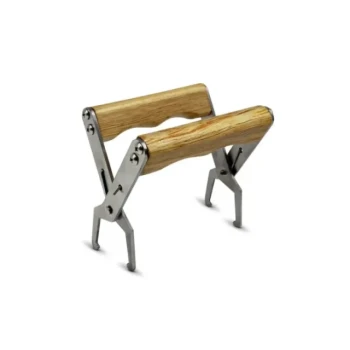
- Multi-Function Plier-Style Frame Grip Hive Tool
- HONESTBEE Professional Mini J-Hook Hive Tool for Beekeeping
- Stainless Steel J Hook Hive Tool for Beekeeping
People Also Ask
- Why is professional beehive transportation and lifting equipment necessary? Maximize Your Migratory Beekeeping Yield
- Why is ergonomic height adjustment of beehives necessary in commercial beekeeping operations? Optimize Efficiency & ROI
- What is the specific design and purpose of a frame lifter hive tool? Master Gentle Hive Inspections
- How does the frame lifter hive tool function? Master Safe and Gentle Frame Removal
- What is one type of hive lifting tool available to beekeepers? A Simple Solution for Heavy Hives