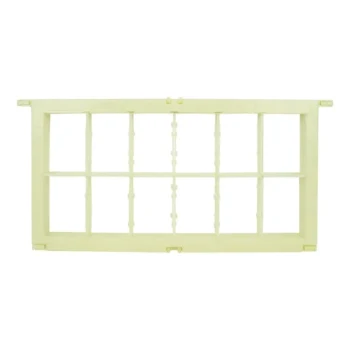
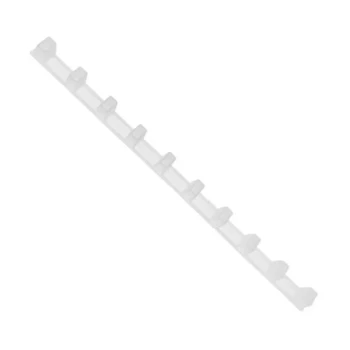
Standardized beehive frames act as the physical vectors for vertical transmission primarily through their modular interchangeability. In commercial operations, beekeepers frequently move frames containing brood or resources between hives to strengthen weak colonies or manage pollination requirements. When a frame containing parasitic eggs or larvae is unknowingly transferred from an infested hive to a healthy one, it bypasses the parasite's natural invasion stages and directly implants the infestation into the new host.
The core issue is that the standardization designed for industrial efficiency creates a "biological highway" for parasites. By making frames universally interchangeable, beekeepers inadvertently remove physical barriers between colonies, allowing parasites to spread via human management rather than relying solely on their own limited dispersal mechanisms.
The Mechanics of Human-Mediated Transmission
The Role of Interchangeability
Standardized frames are manufactured with precise dimensions to ensure they fit into any hive body within an operation. This universality allows beekeepers to rapidly swap components for management tasks such as equalizing colony strength or preparing for pollination contracts. However, this same feature ensures that a frame harboring parasitic agents can be introduced into any healthy colony without physical restriction.
Bypassing Natural Defenses
In a natural setting, a social parasite must breach the guard bees and chemical defenses of a host colony to invade. Frame transfer effectively bypasses these biological "gates." By placing a frame loaded with parasitic brood directly into the center of a healthy cluster, the beekeeper inadvertently forces the host colony to accept the parasites as their own, accelerating the infestation process significantly.
The Vector of "Strengthening"
A common practice in commercial beekeeping involves taking brood frames from strong colonies to boost weaker ones. Unfortunately, strong colonies are often the most attractive targets for social parasites. Consequently, the management practice intended to save a struggling hive often serves as the exact mechanism that infects it with parasitic larvae hidden within the donor comb.
Understanding the Trade-offs: Efficiency vs. Biosecurity
The Paradox of Precision
The manufacturing precision mentioned in supplementary texts ensures frames are identical, facilitating mechanized honey extraction and rapid inspections. While this standardization is critical for large-scale logistics and honey yields, it complicates quarantine efforts. The ease of movement reduces the friction required to isolate a biological threat, turning a local outbreak into an apiary-wide issue.
Migratory Risks
Commercial operations often rely on migratory beekeeping, moving hives vast distances for pollination. The structural design of standardized hives supports this mobility. However, when frames are shuffled between hives during these high-stress migratory periods, the risk of transmission increases as the geographic spread of the parasite is amplified by the movement of the equipment itself.
Inspection Blind Spots
While standardized tools allow for independent inspection of single combs, early-stage parasitic infestation can be difficult to detect visually. The efficiency of the modular design encourages rapid manipulation. Beekeepers moving at speed to manage thousands of hives may miss the subtle signs of parasitism on a frame before transferring it to a new unit.
Making the Right Choice for Your Operation
## Mitigating Risk in Commercial Management
To balance the efficiency of standardized equipment with the biological risks of vertical transmission, consider the following operational adjustments:
- If your primary focus is Disease Containment: Implement a strict "no-swap" policy for brood frames between different apiary sites to create firebreaks against transmission.
- If your primary focus is Colony Strengthening: Restrict donor frames to a dedicated, heavily monitored group of "clean" hives rather than sourcing randomly from the general population.
Standardization is a powerful tool for production, but it requires vigilant biosecurity protocols to prevent it from becoming a tool for parasitic proliferation.
Summary Table:
| Factor | Impact on Parasitic Transmission | Strategic Mitigation |
|---|---|---|
| Interchangeability | Creates a "biological highway" between colonies. | Implement site-specific frame tracking. |
| Human Management | Bypasses natural colony defenses via frame swapping. | Quarantine donor frames from monitored "clean" hives. |
| Strengthening Hives | Inadvertently introduces parasites into weak colonies. | Limit brood transfers between different apiary sites. |
| Migratory Logistics | Amplifies geographic spread of infestations. | Maintain strict biosecurity during high-stress moves. |
| Efficiency Focus | Rapid handling leads to inspection blind spots. | Conduct detailed visual checks on all donor combs. |
Scale Your Apiary Safely with HONESTBEE
Standardization shouldn't compromise your biosecurity. At HONESTBEE, we understand the unique challenges faced by commercial apiaries and distributors. We provide a comprehensive range of high-precision beekeeping tools, machinery, and essential consumables designed for industrial efficiency.
From specialized hive-making and honey-filling machines to durable hardware, our portfolio empowers you to maintain the highest standards of production while managing colony health. Let us help you optimize your operations with equipment built for professional scale.
Ready to elevate your wholesale sourcing? Contact us today to explore our full equipment catalog!
References
- Peter Neumann, Randall Hepburn. Behavioural basis for social parasitismof Cape honeybees (<i>Apis mellifera capensis</i>). DOI: 10.1051/apido:2002008
This article is also based on technical information from HonestBee Knowledge Base .
Related Products
- Professional Galvanized Steel Frame Rest for Beehives
- HONESTBEE Wired and Assembled Wooden Bee Frames Foundation for a Thriving Hive
- Wooden Bee Hive Frames for Beekeeping and Wholesale
- Assembled Wooden Bee Frames with Plastic Foundation for Durability and Convenience by HONESTBEE
- Plastic Bee Frame Beekeeping Hive Frames for Wholesale
People Also Ask
- What are the standard dimensions for frame rests in a beehive? Essential Guide for Perfect Bee Space
- How does balancing the number of frames impact hive productivity? Optimize Your Apiary's Biological Output
- What are the main considerations when choosing between wooden and plastic bee hive frames? Optimize Your Apiary's Efficiency
- How do wooden and plastic hive frames compare in terms of durability? Wood vs. Plastic Longevity & Repairability
- What are the main types of beehive frames used in modern beekeeping? Find the Perfect Fit for Your Apiary