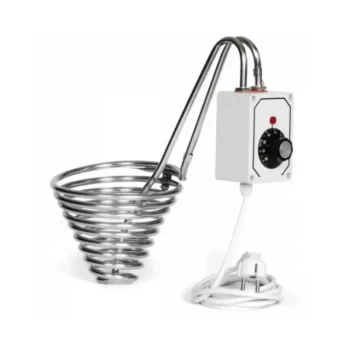
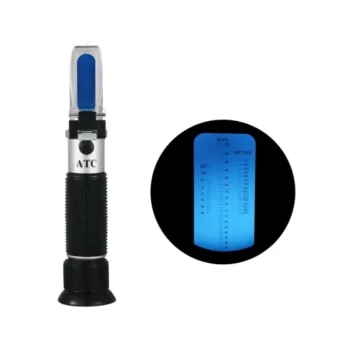
The success of Bombus terrestris rearing hinges on the precise replication of their natural underground microclimate through automated control systems. Maintaining a consistent environment of 27–28 °C and approximately 50% relative humidity (RH) is non-negotiable for metabolic activation and larval health. These systems directly influence colony foundation speed and worker survival rates, making them the most critical infrastructure investment for any commercial bumblebee operation.
Precision climate control is the engine of bumblebee production; it stabilizes queen metabolism and protects delicate brood development, directly determining the commercial yield and quality of the final colony.
The Biological Necessity of Climate Replication
Simulating the Subterranean Environment
In nature, Bombus terrestris queens seek out underground cavities that offer a buffered, stable environment. Temperature and humidity control systems serve to recreate this subterranean microclimate within a commercial setting.
By removing environmental variables, these systems ensure that the bees' biological energy is directed toward colony growth rather than thermoregulation. This stability is the foundation of a predictable production cycle.
Activating Queen Metabolism
The transition from diapause to active colony foundation requires a specific thermal trigger. Maintaining a steady 27–28 °C is essential for activating the queen's metabolism.
Without this precise heat, the queen may fail to initiate egg-laying or exhibit sluggish behavior. Metabolic consistency ensures that the first generation of workers emerges on a tight, commercially viable schedule.
Impact on Brood Development and Survival
Thermal Requirements for Egg Incubation
Egg development in bumblebees requires a constant, high-energy heat source. Precise sensors and heating elements provide the uniform warmth necessary for consistent incubation.
Fluctuations in temperature can lead to staggered hatching or developmental deformities. Systems that offer rapid response times to ambient temperature shifts are vital for maintaining the internal nest temperature required for healthy brood.
Maintaining Humidity for Larval Health
Relative humidity held at 50% is the "gold standard" for preventing the dehydration of vulnerable larvae. At lower levels, the delicate tissues of the larvae can lose moisture rapidly, leading to high mortality rates.
Controlled humidity also ensures that the pollen cakes—the primary food source—remain moist and pliable. Proper moisture levels prevent the cakes from cracking, which would otherwise make the food inaccessible to the developing bees.
Understanding the Trade-offs and Risks
The Danger of Environmental Fluctuations
Even minor deviations from the 27–28 °C range can have catastrophic effects on a commercial scale. Overheating can lead to colony collapse, while even brief cold snaps can stall the development of the first generation of workers.
Relying on manual adjustments or low-tier equipment creates a "single point of failure" in the production line. High-quality, automated systems are necessary to mitigate the risk of human error and equipment lag.
Humidity and Pathogen Management
While 50% RH is ideal for bee health, it requires active monitoring to prevent localized "wet spots." Excessive humidity can encourage the growth of mold on pollen supplements, while insufficient humidity leads to pollen cake desiccation.
The trade-off for high-precision control is the need for regular calibration and maintenance. Distributors must ensure that the systems they provide are backed by professional technical support to handle these complexities.
Optimizing Your Sourcing Strategy for Rearing Success
As a distributor or B2B reseller, the reliability of the climate control systems you provide directly impacts your clients' bottom line. Integrating professional industry expertise with a comprehensive product portfolio is essential for long-term partnership success.
- If your primary focus is maximizing colony yield: Invest in high-precision sensors that maintain 27–28 °C with minimal deviation to ensure peak queen metabolism.
- If your primary focus is reducing larval mortality: Prioritize systems with integrated humidification and dehumidification to strictly maintain the 50% RH threshold.
- If your primary focus is operational reliability: Source from partners offering a full-spectrum product portfolio and ultra-fast delivery to minimize downtime during critical rearing phases.
- If your primary focus is scaling production: Utilize automated, networked control systems that allow for the simultaneous management of multiple rearing chambers.
Precise environmental control is the technical foundation that transforms biological potential into consistent commercial success.
Summary Table:
| Parameter | Target Range | Biological Impact | Risk of Deviation |
|---|---|---|---|
| Temperature | 27–28 °C | Activates queen metabolism; triggers egg-laying | Colony collapse; stalled larval development |
| Humidity | ~50% RH | Prevents larval dehydration; keeps pollen moist | Mold growth or pollen cake desiccation |
Scale Your Commercial Rearing Success with HONESTBEE
As a dedicated partner for distributors, wholesalers, and B2B resellers, HONESTBEE provides the professional-grade infrastructure needed to stabilize your production. From high-precision environmental sensors to a full spectrum of beekeeping tools and honey-filling machinery, our one-stop sourcing capabilities ensure you have the hardware to succeed.
Why Partner with HONESTBEE?
- Comprehensive Portfolio: Everything from specialized hive-making equipment to essential industry consumables.
- Supply Reliability: Rapid response times and ultra-fast delivery to keep your operations running.
- Industry Expertise: Deep professional knowledge to support your OEM/ODM requirements and profit margins.
Ready to enhance your supply chain with premium beekeeping solutions?
References
- A Akyol, Samet Hasan Abacı. Comparison of colony initiation success of queen bees (Bombus terrestris L.) fed diets with different pollen sources. DOI: 10.12681/jhvms.38558
This article is also based on technical information from HonestBee Knowledge Base .
Related Products
- HONESTBEE AC Powered Wire Embedder with Alligator Clips
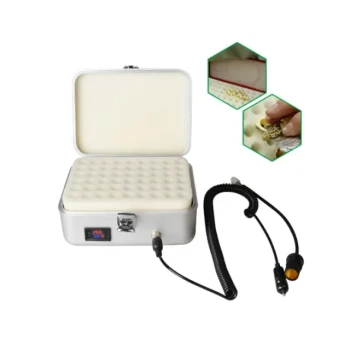
- Portable Queen Bee Incubator with 12V Car Adapter for Safe Transport
- HONESTBEE Adjustable Voltage Wire Embedder with Digital Display
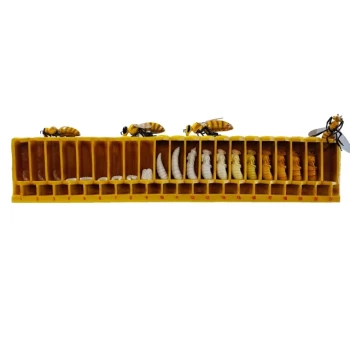
- Honey Bee Lifecycle Model: A Detailed Honeycomb Display of Bee Development
- Premium Traditional Copper Bee Smoker with Bellows
People Also Ask
- How can combs be further strengthened? Embed Wires for Durable, High-Yield Hives
- What is an embedder in beekeeping? Essential Tool for Strengthening Wax Foundation & Hive Frames
- Why must strict sanitary and health prevention protocols be implemented for honeybee transport? Maximize Colony Survival
- What are the primary indicators of healthy honeybee colonies? Optimize Your Commercial Apiary for Peak Productivity
- Why must honeybee samples be stored in high-concentration ethanol and low temperatures? Ensure Genetic & Physical Integrity