Subspecies traits directly shape winter risk, feed demand, and handling requirements. Italian colonies typically retain large populations and consume substantial stores, making early assessment and dependable emergency feed access essential. Carniolan colonies contract strongly in winter and use less feed, but require close spring monitoring because they expand rapidly and may swarm. African and Africanized colonies demand the greatest emphasis on secure handling, defensive-behavior controls, and preventing food shortages that can trigger absconding.
Winter management should be matched to colony behavior, not just average climate. Italian bees generally require stronger feed planning, Carniolans require careful spring expansion and swarm management, and African-derived colonies require robust safety and containment protocols alongside reliable food availability.
How Overwintering Behavior Changes Feeding Strategy
Italian colonies need larger feed reserves
Italian honeybees (Apis mellifera ligustica) tend to maintain relatively large populations and may continue brood rearing later into autumn. More adult bees and brood require more food, particularly when cold weather interrupts foraging.
Commercial apiaries should therefore complete an accurate late-season food assessment and avoid assuming that a visually strong colony has adequate stores. Population strength and stored-food weight must be evaluated together.
Use dependable supplemental feeding access
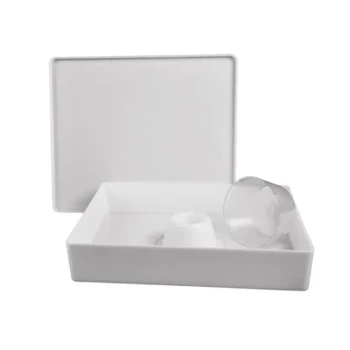
When stores are inadequate, Italian colonies benefit from timely supplemental feeding before sustained cold makes liquid feeding impractical. Hive-top feeders, feeder rims, and winter candy boards can provide different solutions depending on temperature, hive configuration, and local practice.
Liquid syrup is generally a pre-winter tool, while solid feed such as fondant or candy is more suitable for emergency access during cold periods. Feeders should be selected for reliable installation, low disturbance, and compatibility with the operation’s standard hive hardware.
Carniolan colonies usually consume less during winter
Carniolan bees (Apis mellifera carnica) typically reduce brood rearing and contract into a smaller winter population. This lowers winter consumption compared with a similarly healthy Italian colony.
That does not mean Carniolan colonies can be left uninspected. Small clusters can still starve if stores are poorly positioned, inaccessible, or exhausted during an extended cold spell.
Shift feeding emphasis toward spring
Carniolan colonies often rebuild rapidly when forage becomes available. Their primary feeding requirement may therefore move from winter survival to early spring support, especially where spring forage is delayed or inconsistent.
Beekeepers should prepare smaller winter feeding systems but maintain efficient spring feeding tools and sufficient feed inventory to support rapid population growth when appropriate.
African-derived colonies require reliable food availability
African subspecies and Africanized strains may show a stronger tendency to abscond when food becomes scarce or environmental conditions deteriorate. A colony that abandons the hive represents a different failure mode from a colony that remains clustered and dies from starvation.
Maintaining adequate stores, reducing unnecessary disturbance, and monitoring forage conditions are therefore central to preventing sudden colony loss. Feeding decisions should be based on actual colony stores and local conditions rather than on the assumption that a colony will remain in place.
How Temperament Changes Hive Management
Italian bees support efficient routine handling
Italian bees are widely valued for their gentle temperament and strong honey production. Their docility can simplify inspections, frame handling, queen work, hive stacking, and high-density apiary operations.
However, gentle behavior does not eliminate the need for protective equipment or disciplined handling. Large winter populations also mean that Italian colonies may require more labor and feed resources during preparation.
Carniolans are gentle but require proactive spring control
Carniolan bees are generally gentle and well suited to colder conditions. This makes routine inspections comparatively manageable, particularly in climates where winter hardiness is important.
Their rapid spring buildup and higher swarming tendency create a different management burden. Beekeepers should have spare hive bodies, supers, frames, and swarm-control supplies ready before population growth exceeds available hive space.
African-derived bees require a higher safety threshold
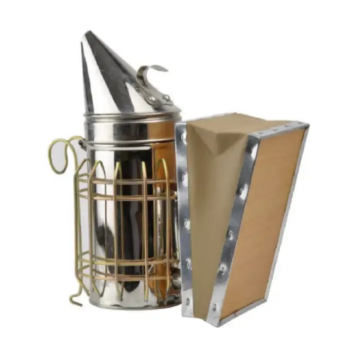
Africanized or strongly defensive African-derived colonies can be difficult and hazardous to manage. Protective clothing, gloves, veils, smoke-management tools, and secure hive hardware become operational necessities rather than optional upgrades.
Hive straps and secure lids can help maintain control during inspections, transport, and weather events. Work should be planned to minimize prolonged hive exposure and unnecessary disturbance.
Temperament affects labor and equipment planning
A calm colony can be inspected faster and with fewer interruptions, improving labor efficiency across a commercial apiary. Defensive colonies require more preparation, more protective equipment, and potentially lower handling frequency.
For distributors and resellers, this creates distinct product needs: gentle-stock operations prioritize standardized productivity equipment, while defensive-stock operations require expanded safety and containment inventory.
Climate and Genetics Must Be Considered Together
Carniolan performance is climate-sensitive
Carniolans are well adapted to colder conditions and can overwinter efficiently by reducing colony size. In hot summer regions, however, their performance may be less suitable, particularly when seasonal conditions do not match their adaptation profile.
Selection should therefore consider the full annual climate rather than winter alone. A colony that overwinters well but struggles through the summer may still impose higher replacement and management costs.
Italian colonies need closer late-season surveillance
Italian bees can perform strongly in moderate climates and provide substantial honey surpluses. Their continued population and brood activity, however, increase the consequences of late-season forage gaps and unpredictable weather.
Late-autumn inspections, colony-weight checks, and properly timed feeding supplies are especially important for Italian-heavy operations.
African-derived colonies require local risk assessment
Africanized traits vary among colonies and hybrids, and behavior is influenced by genetics, queen lineage, weather, forage, pests, and management. Not every colony will display the same level of defensiveness or absconding behavior.
Nevertheless, operations should plan conservatively where African-derived stock is known to occur. Local regulations, neighboring-apiary risk, and worker safety should be part of the stocking and management decision.
Build the Apiary Supply Plan Around Seasonal Demand
Italian-focused inventories emphasize feed capacity
Operations managing many Italian colonies should prioritize:
- Adequate pre-winter feed supplies.
- Hive-top feeders and feeder rims.
- Fondant or candy-board systems for cold-weather access.
- Hive-weight or visual-monitoring tools.
- Replacement covers and hardware that reduce unnecessary heat and feed loss.
The objective is not to feed continuously, but to ensure that a high-consumption colony can be supported promptly when natural forage is unavailable.
Carniolan-focused inventories emphasize spring expansion
Carniolan operations should maintain:
- Smaller winter feeding systems.
- Early-season syrup-feeding equipment where locally appropriate.
- Extra hive bodies, supers, and frames.
- Swarm-control supplies.
- Equipment for rapid inspections and colony equalization.
The key supply risk is often not winter feed volume, but insufficient hive capacity when colonies expand quickly.
African-derived operations emphasize safety and containment
Operations managing Africanized or highly defensive colonies should prioritize:
- Heavy-duty protective clothing and gloves.
- Reliable veils and replacement safety gear.
- Secure hive straps, lids, and transport hardware.
- Smoke equipment and hive-handling tools.
- Clear inspection procedures and access-control practices.
- Adequate feed reserves to reduce absconding risk.
Fast fulfillment matters in these operations because a missing safety component or failed hive strap can delay necessary work and increase exposure to risk.
Understanding the Trade-offs
Lower winter consumption does not mean lower total management
Carniolan colonies may consume less during winter, but their rapid spring buildup and swarming tendency can increase equipment and labor requirements later. Feed savings may therefore be offset by the need for timely expansion and swarm prevention.
High productivity can increase winter vulnerability
Italian bees’ large populations support strong honey production, but those same populations require more food and closer late-season management. Productivity should be evaluated alongside feed cost, monitoring effort, and winter-loss risk.
Defensive traits can increase operational cost
Africanized or highly defensive colonies may be productive under suitable conditions, but protective equipment, worker training, secure hardware, and restricted handling can increase operating costs. Safety and containment requirements should be included in the total cost of ownership.
Avoid using a fixed feeding rule
No subspecies-specific feeding rule replaces direct assessment. Colony size, stored food, queen condition, disease pressure, weather, forage availability, and hive exposure can all change the correct decision.
Feeding when stores are already sufficient can create unnecessary cost and management complications. Failing to feed when stores are inadequate can lead to starvation, weakened spring populations, or absconding.
How to Apply This to Your Apiary or Product Portfolio
The most effective approach is to match genetic behavior, climate, and equipment availability in one seasonal plan.
- If your primary focus is Italian colonies: Budget for larger winter food reserves, dependable supplemental feeders, and frequent late-season monitoring because large populations can consume stores rapidly.
- If your primary focus is Carniolan colonies: Reduce unnecessary winter feed expenditure, but stock early-spring feeders, extra hive capacity, and swarm-management equipment.
- If your primary focus is Africanized or defensive colonies: Prioritize heavy-duty protective gear, secure hive hardware, disciplined handling procedures, and sufficient food reserves to reduce absconding risk.
- If your primary focus is distribution or wholesale supply: Maintain a full-spectrum inventory covering feeders, solid winter feed systems, hive bodies, protective equipment, straps, and replacement hardware so customers can source by subspecies and season from one supplier.
- If your primary focus is operational efficiency: Standardize compatible equipment, respond quickly to seasonal shortages, and provide product guidance based on colony behavior rather than selling a single universal winter package.
When winter strategy reflects both bee genetics and local conditions, feeding becomes more predictable, handling becomes safer, and equipment purchasing becomes more efficient.
Summary Table:
| Subspecies | Winter Traits | Feeding Strategy | Management Focus |
|---|---|---|---|
| Italian | Large population, high consumption | Larger reserves, supplemental feeding | Late-season monitoring, efficient handling |
| Carniolan | Small cluster, low consumption | Less winter feed, early spring feeding | Spring expansion, swarm control |
| African-derived | Absconding risk, defensive | Reliable food availability | Safety, containment, secure handling |
Optimize your apiary with HONESTBEE's tailored equipment and supplies. From Italian-friendly feeders to Carniolan spring expansion kits and Africanized-safety gear, our comprehensive wholesale portfolio ensures you have the right tools for every subspecies. For distributors and beekeepers, we offer rapid response, expert support, and ultra-fast delivery to keep your operation thriving. Contact us today to secure your supply chain and enhance your winter management strategy.
Related Products
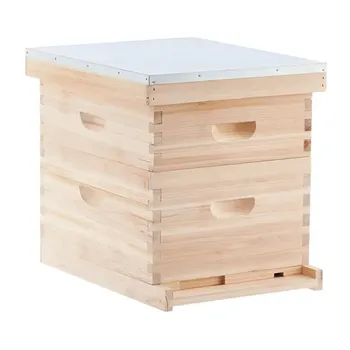
- High-Performance Langstroth Bee Hives for Global Professional Beekeeping
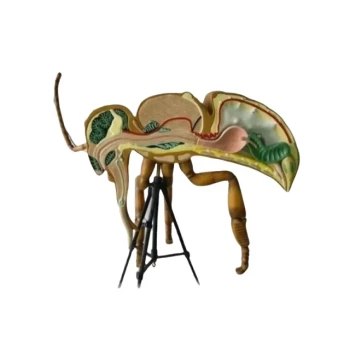
- HONESTBEE Anatomy Bee Model Detailed Anatomical Display for Education and Study
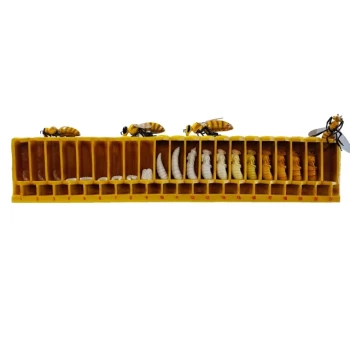
- Honey Bee Lifecycle Model: A Detailed Honeycomb Display of Bee Development
- Assembled Wooden Bee Frames with Beeswax Foundation Ready to Use by HONESTBEE
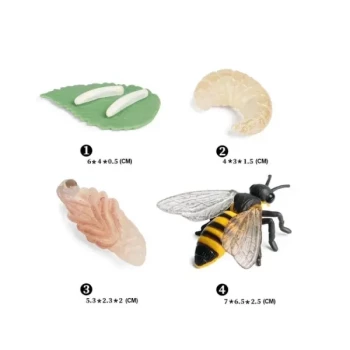
- Honey Bee Life Cycle Model 4 Stage Educational Set for Kids Learning
People Also Ask
- 8-Frame vs 10-Frame Langstroth Hives: Which Is Right for Your Beekeeping?
- What structural differences should commercial apiary operators consider when selecting between Langstroth hives and Top Bar hives for standardized honey production? Langstroth for standardized honey production
- How do Langstroth hives compare to Top Bar hives for beekeeping? Choose the Best for Your Apiary
- What are the structural and yield differences between traditional primitive beehives and modern standard wooden hives (such as Langstroth hives) for commercial honey producers? Discover why modern hives boost yield and efficiency.
- Why is the adoption of modern movable-frame hives, such as Langstroth hives, advantageous over traditional hive equipment for commercial apiaries? Key Benefits for Scalable Beekeeping