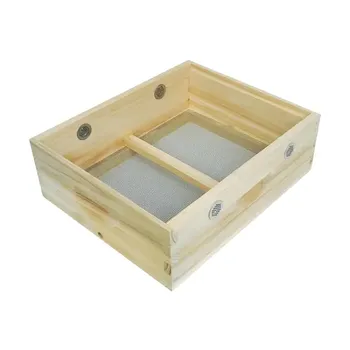
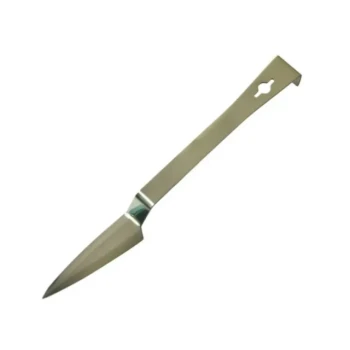
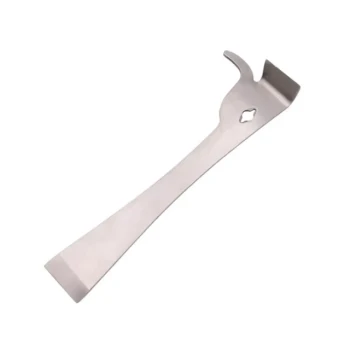
Wooden hive components remain the stronger all-around choice for most apiaries. Compared with plastic or polystyrene equipment, quality wood is more readily accepted by bees, regulates moisture naturally, withstands physical impacts, and can be repaired, reused, or responsibly disposed of. Synthetic equipment offers clear advantages in cleaning, weight, and insulation, but it introduces trade-offs involving heat behavior, environmental impact, long-term degradation, and end-of-life disposal.
For most professional apiaries, wooden equipment provides the best balance of bee acceptance, durability, repairability, moisture management, and biosecurity. Synthetic components are valuable where low maintenance, lightweight handling, or insulation is the overriding priority.
Why Material Choice Matters in Apiary Management
The effect on colony acceptance
Honeybees generally accept natural wood readily because it resembles the material used in natural nesting environments. This can simplify colony installation and reduce uncertainty when introducing new boxes, frames, covers, or other components.
Plastic equipment can also be used successfully, but acceptance may depend more heavily on surface texture, cleanliness, design, and colony conditions. The material itself should therefore be considered alongside construction quality and field experience.
The effect on honey production
The choice between wood and plastic does not automatically create a major difference in honey yield. Management quality, colony strength, forage availability, seasonal conditions, and disease control usually have greater influence.
Material choice matters indirectly by affecting ventilation, moisture, durability, handling efficiency, and colony stability. These operational factors can influence results over time without making one material a guaranteed yield-enhancing solution.
Where Wooden Hive Components Have the Advantage
Natural moisture regulation
Wood can help moderate moisture within the hive, supporting a more stable internal microclimate. This is particularly important because excessive or fluctuating humidity can contribute to colony stress and problems such as honey fermentation during maturation and storage.
Synthetic materials are generally less naturally moisture-regulating. Their performance therefore depends more on hive design, ventilation provisions, insulation, and local climate management.
Physical durability and repairability
Well-built wooden boxes and covers offer strong resistance to routine handling, weather, wildlife, and accidental impact. This is especially valuable for permanent apiaries or installations in areas where birds and other animals may damage lightweight equipment.
Wooden components can also be repaired, repainted, modified, or replaced in sections. That extends service life and gives distributors and beekeepers more options than simply discarding a damaged molded component.
Biosecurity and outbreak response
Wooden equipment can be sterilized using appropriate methods and, when necessary, disposed of through controlled procedures during a disease outbreak. Its repairable and combustible nature can simplify certain containment decisions.
Plastic is easy to wash and may resist some forms of contamination, but cleaning is not the same as complete decontamination. The correct treatment depends on the pathogen, product design, contamination level, and applicable veterinary or apiary regulations.
Environmental profile
Wood is a renewable material when sourced from responsibly managed forests. It is also repairable, reusable, recyclable in some waste streams, and generally easier to dispose of than mixed or degraded synthetic products.
However, no material has an automatically superior lifecycle profile. Paints, preservatives, transport distance, manufacturing methods, replacement frequency, and responsible sourcing all affect the final environmental impact.
Where Synthetic and Plastic Equipment Performs Well
Lower routine maintenance
Plastic hive bodies and covers are resistant to rot and do not usually require the same painting schedule as exposed wood. This can reduce labor for large operations and simplify inventory management for resellers serving customers who prioritize convenience.
Plastic is also easy to wash and can provide a consistent manufactured surface. These benefits are particularly relevant where rapid turnaround and standardized cleaning procedures are important.
Lightweight handling
Synthetic equipment may reduce lifting demands and simplify transport, assembly, and apiary movement. This can be useful for migratory beekeeping, frequent inspections, and operations seeking lower manual-handling costs.
Actual weight depends on the component design, dimensions, reinforcement, and accessories. Buyers should compare complete assembled equipment rather than material labels alone.
Thermal insulation
Expanded polystyrene and other foam-based equipment can provide strong insulation with relatively low weight. This may help in regions with severe temperature swings or where winter protection is a major operational concern.
The insulation advantage must be balanced against weather exposure, surface damage, and long-term degradation. Foam components often need protective coatings or other safeguards to remain serviceable outdoors.
Consistent molded dimensions
Plastic equipment can offer repeatable dimensions and standardized interfaces. That consistency may benefit distributors managing large inventories or supplying customers who require compatibility across multiple hive units.
The practical value depends on whether replacement parts, frames, covers, and accessories remain compatible over time. Standardization should be verified before committing to a large product range.
Component-by-Component Considerations
Hive bodies and supers
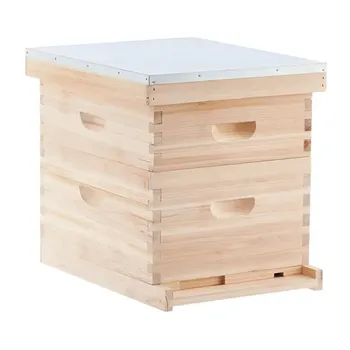
Wooden hive bodies provide a robust, familiar structure and can be repaired or repainted throughout their service life. They are often the safer choice for permanent apiaries, rough transport conditions, and environments with wildlife pressure.
Plastic bodies may be attractive for operations emphasizing washability and reduced maintenance. Their long-term value depends on resistance to ultraviolet exposure, cracking, deformation, and compatibility with the beekeeper’s existing equipment.
Covers and roofs
Rimmed wooden covers offer classic durability but require regular protection against rain and ambient moisture. Flat wooden board covers are a simpler and often more economical option, although their performance depends on adequate weather protection.
Plastic covers are largely maintenance-free but may bend or bow over time. For windy locations, telescoping metal-covered wooden tops are widely preferred because their design provides better resistance to dislodgement.
Polystyrene covers and insulation parts
Polystyrene covers can provide useful thermal insulation without adding much weight. Their vulnerability is environmental exposure: continuous sunlight, moisture, impact, and weathering can shorten service life unless suitable protective coatings are used.
These products are best positioned as specialized solutions for insulation-sensitive applications rather than universal replacements for wooden covers.
Frames and smaller components
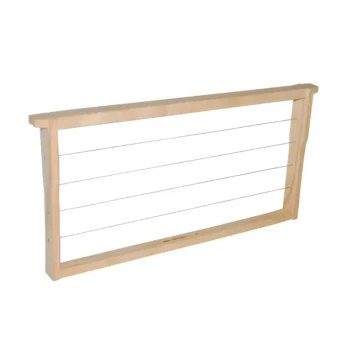
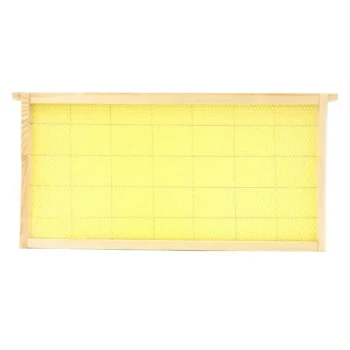
Wooden frames are familiar to beekeepers and integrate naturally with traditional hive systems. They can be replaced individually and are generally straightforward to inspect, repair, and manage within an established equipment standard.
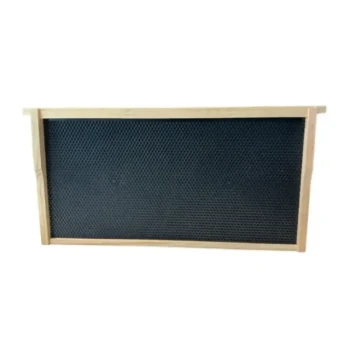
Plastic frames can offer washable surfaces and dimensional consistency. Their suitability should be assessed according to wax acceptance, coating or foundation requirements, cleaning procedures, and compatibility with existing extraction and inspection systems.
Understanding the Trade-offs
Wood requires preventive maintenance
The principal weakness of wood is its exposure to moisture. Unprotected wooden components can absorb water, develop rot, warp, and lose structural strength.
A practical maintenance program should include suitable exterior protection, inspection of joints and edges, timely repainting, and replacement of compromised parts. This maintenance is a recurring operating requirement, not an occasional afterthought.
Synthetic equipment is not maintenance-free
Plastic avoids rot, but it can deform, crack, become brittle under ultraviolet exposure, or suffer surface damage. Foam products are particularly vulnerable to prolonged outdoor exposure and may require specialized weather-resistant protection.
Low maintenance should therefore mean different maintenance, not zero maintenance.
Biosecurity claims require precision
Plastic is often easier to wash, while wooden equipment may be more suitable for certain sterilization or disposal procedures. Neither material is automatically disease-proof.
The key requirements are a documented cleaning and disinfection protocol, separation of suspect equipment, correct treatment for the identified disease risk, and compliance with local apiary regulations.
Lifecycle cost is more than purchase price
Wood may have a lower initial cost and can be repaired, but it requires paint, labor, storage, and periodic replacement of weather-damaged parts. Plastic may reduce routine maintenance but can carry a higher purchase price and may be harder or more expensive to repair.
For B2B purchasing, compare total cost of ownership, including shipping volume, replacement rates, maintenance labor, accessories, and expected service life.
Climate changes the decision
A material that performs well in a cool, wet region may not be ideal in a hot, high-UV environment. Ventilation, insulation, precipitation, wind, wildlife, and apiary mobility should all be considered before selecting a standard product line.
A mixed portfolio can be more practical than a single-material strategy. Wooden hive bodies may be paired with insulated synthetic covers, or traditional wooden roofs may be offered alongside lightweight plastic alternatives.
What Distributors and Resellers Should Evaluate
Build a full-spectrum product portfolio
Customers rarely need only a hive body. A useful supply program should cover boxes, frames, floors, covers, roofs, spare parts, protective coatings, insulation accessories, and compatible replacement components.
Offering both traditional wood and selected synthetic products allows customers to choose according to climate, labor model, mobility, and budget rather than forcing a one-material solution.
Confirm quality and compatibility
Wood quality, moisture content, joinery, dimensional accuracy, and surface finish strongly affect field performance. Synthetic products should be assessed for UV stability, rigidity, thermal behavior, impact resistance, and protection against environmental degradation.
Compatibility is equally important. Standard dimensions and interchangeable components reduce stock complexity and help customers expand their apiaries without replacing existing equipment.
Prioritize supply reliability
For professional beekeepers, a delayed hive component can disrupt colony expansion, seasonal preparation, or replacement after disease or storm damage. Reliable availability is therefore part of product value.
Distributors should favor suppliers able to provide rapid responses, dependable order fulfillment, consistent specifications, and efficient delivery across the complete product range.
Match service to customer requirements
A knowledgeable supplier can add value by asking where the equipment will be used, how often it will be moved, what climate it will face, and what maintenance capacity the customer has.
Technical guidance, responsive customer service, and clear product documentation can matter as much as the material itself when customers are standardizing equipment across a commercial apiary.
Making the Right Choice for Your Goal
Select the material according to the operating conditions and service priorities of the apiary, not simply the advertised advantages of one product category.
- If your primary focus is bee acceptance and traditional apiary management: Choose well-constructed wooden bodies, frames, and covers, supported by a consistent maintenance and weather-protection program.
- If your primary focus is low routine maintenance: Consider plastic components for their washability and resistance to rot, while monitoring them for bending, cracking, and environmental aging.
- If your primary focus is insulation and lightweight handling: Evaluate polystyrene or other foam equipment, but require appropriate weather protection and confirm its durability in the target climate.
- If your primary focus is long-term sustainability: Prioritize responsibly sourced, repairable wooden equipment and assess the full lifecycle of coatings, transport, replacement, and disposal.
- If your primary focus is biosecurity: Select equipment that fits a documented cleaning, sterilization, and disposal protocol rather than relying on material choice alone.
- If your primary focus is commercial sourcing efficiency: Build a compatible wood-and-synthetic portfolio backed by dependable specifications, rapid response, dedicated service, and reliable fulfillment.
The best apiary equipment strategy combines the natural performance and repairability of quality wood with carefully selected synthetic components where maintenance, insulation, or handling efficiency justifies them.
Summary Table:
| Feature | Wooden Hive Components | Synthetic/Plastic Hive Equipment |
|---|---|---|
| Bee Acceptance | High; mimics natural habitat | Variable; depends on surface and design |
| Moisture Regulation | Natural; moderates humidity | Less natural; depends on design and ventilation |
| Durability | Strong; resistant to impacts, repairable | Can crack, warp, or degrade under UV; not easily repairable |
| Maintenance | Requires painting and weather protection | Lower routine maintenance (no painting) but still needs care |
| Insulation | Moderate; benefits from design | Good; especially polystyrene, but may need protection |
| Weight | Heavier | Lighter (especially plastic and foam) |
| Biosecurity | Can be sterilized and disposed of by burning | Easy to wash but not always fully decontaminable |
| Environmental Impact | Renewable, repairable, recyclable | Depends on manufacturing and disposal; often non-renewable |
| Cost over Lifetime | Lower initial cost but more maintenance | Higher initial cost but less routine maintenance |
| Best For | Traditional apiaries, harsh conditions, sustainability | Low-maintenance operations, migratory beekeeping, insulation needs |
Choose the Right Equipment for Your Apiary with HONESTBEE
Whether you need durable wooden hives, lightweight plastic components, or insulated covers, HONESTBEE offers a comprehensive wholesale supply of beekeeping tools, machinery, and equipment. As a one-stop sourcing partner, we provide high-quality products, fast delivery, and dedicated support for commercial apiaries and distributors. Get in touch today to discuss your requirements and enjoy reliable supply, certification compliance, and competitive profit margins. Contact us now!
Related Products
- Wooden Bee Hive Frames for Beekeeping and Wholesale
- HONESTBEE Wired and Assembled Wooden Bee Frames Foundation for a Thriving Hive
- Wholesales Dadant Size Wooden Bee Hives for Beekeeping
- Assembled Wooden Bee Frames with Plastic Foundation for Durability and Convenience by HONESTBEE
- Solid Bottom Board Australian Pine Wood Langstroth Bottom Board for Wholesale
People Also Ask
- How does balancing the number of frames impact hive productivity? Optimize Your Apiary's Biological Output
- How do wooden and plastic hive frames compare in terms of durability? Wood vs. Plastic Longevity & Repairability
- What are the main considerations when choosing between wooden and plastic bee hive frames? Optimize Your Apiary's Efficiency
- How should beehive frames be maintained to prolong their lifespan? 5 Pro Tips for Durable Beekeeping Equipment
- What is the primary function of frames within a beehive system? Structural Foundation and Hive Management