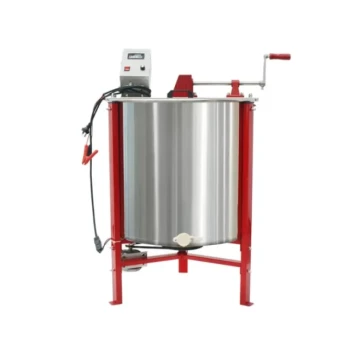
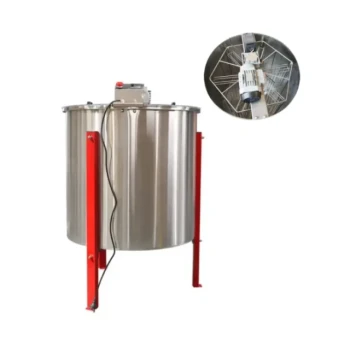
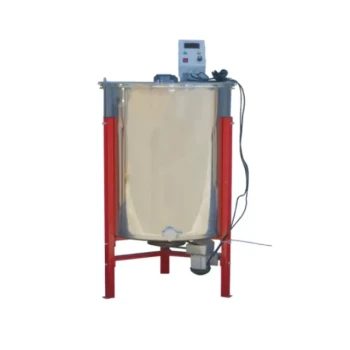
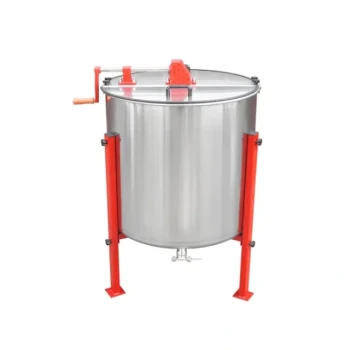
Choosing the right honey extractor depends primarily on your apiary size and budget. For hobbyists maintaining a small number of hives, a manual extractor offers a cost-effective, hands-on solution that provides excellent control. However, if you are managing a commercial operation or prioritizing efficiency, an automatic (electric) extractor is the superior choice to minimize physical labor and maximize honey output.
The decision hinges on the balance between physical effort and financial investment. While manual extractors serve small-scale hobbyists well, electric stainless steel models are the standard for durability and efficiency in growing or commercial operations.
Selecting the Power Source: Manual vs. Electric
The Case for Manual Extractors
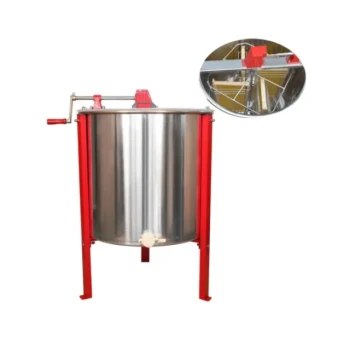
For hobbyists and small-scale operations, a manual extractor is often the most suitable option. These units are significantly lower in cost and allow for a hands-on approach to beekeeping.
Because they are hand-cranked, they offer precise control over the extraction speed. This is particularly useful for delicate combs, though it requires more physical effort.
The Case for Automatic (Electric) Extractors
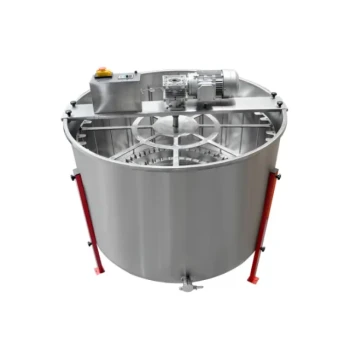
If time and efficiency are your priorities, an automatic extractor is the better choice. These machines save substantial labor and increase overall output by automating the spinning process.
Industry guidelines suggest that electric models become necessary for beekeepers managing more than 10 hives. They allow you to process larger volumes of honey without the fatigue associated with manual cranking.
Evaluating Material and Build Quality
Why Stainless Steel is Non-Negotiable
You should prioritize models made from food-grade stainless steel. This material is essential for durability and rust resistance, ensuring your equipment lasts for many seasons.
Beyond longevity, stainless steel is critical for honey purity. It is easy to clean and sanitize, preventing contaminants from affecting the quality of your harvest.
Stability and Control Features
Look for an extractor with a stable base. Stability is vital to prevent the machine from wobbling during the high-speed spinning process, which improves both safety and extraction efficiency.
Additionally, verify that the unit offers adjustable speeds. This feature allows you to start slowly to prevent frame blowout and increase speed gradually to extract the remaining honey.
Sizing Your Extractor
Frame Capacity
Capacity dictates how many frames you can load at once. Larger extractors can fit more frames, significantly reducing the time required to harvest your honey.
Physical Dimensions
Consider the height of the unit. The height impacts the convenience of collecting honey from the gate and the ease of cleaning the unit after use.
You must also account for space requirements. Larger models require more room for both operation and storage, so measure your workspace before purchasing.
Understanding the Trade-offs
Cost vs. Efficiency
There is a direct correlation between price and capability. Larger, electric extractors are more expensive but pay for themselves in time saved during large harvests.
Conversely, manual extractors save money upfront but "cost" more in terms of physical labor and time. You must decide if the financial savings are worth the extra elbow grease.
Storage Constraints
High-capacity extractors often require a permanent or large footprint in your facility. If you have limited storage space, a compact manual unit may be the only practical option, regardless of your budget.
Making the Right Choice for Your Goal
Before making a purchase, assess your current hive count and your plans for future expansion.
- If your primary focus is small-scale hobby beekeeping (under 10 hives): Choose a manual stainless steel extractor to save money and enjoy a hands-on connection to the process.
- If your primary focus is commercial production or efficiency (over 10 hives): Invest in a high-capacity electric extractor with variable speeds to maximize output and reduce labor.
Select the machine that solves your labor bottlenecks today while enduring the demands of tomorrow.
Summary Table:
| Feature | Manual Extractor | Electric (Automatic) Extractor |
|---|---|---|
| Best For | Hobbyists (1-10 Hives) | Commercial/Growing Apiaries (10+ Hives) |
| Labor Level | High (Physical Cranking) | Low (Automated) |
| Control | Precise Manual Speed | Adjustable Variable Speed |
| Cost | Budget-friendly | Higher Investment |
| Material | Food-grade Stainless Steel | Food-grade Stainless Steel |
| Efficiency | Moderate | High / Time-Saving |
Elevate Your Honey Production with HONESTBEE
Maximize your apiary's output and efficiency with the right equipment. At HONESTBEE, we specialize in serving commercial apiaries and distributors by providing a comprehensive range of high-quality wholesale beekeeping solutions.
From durable stainless steel honey extractors and honey-filling machines to advanced hive-making hardware and essential industry consumables, our portfolio is designed to scale your business. Whether you are looking for specialized beekeeping machinery or unique honey-themed cultural merchandise, we deliver the tools you need to succeed.
Ready to upgrade your commercial operations? Contact HONESTBEE Today to Explore Our Wholesale Catalog
Related Products
- Stainless Steel Manual 8 Frame Radial Honey Extractor Machine for Beehives
- HONESTBEE 72 Frame Industrial Electric Honey Extractor for Beekeeping
- 10L Stainless Steel Electric Honey Press Machine
- Commercial Electric 12 Frame Honey Extractor Spinner Motorized Honey Extractor
- HONESTBEE 6 Frame Three Use Electric Honey Extractor for Beekeeping
People Also Ask
- What types of beehive frames are compatible with honey extractor machines? Find the Perfect Match for Your Apiary
- Which type of honey extractor is generally more durable? Focus on Material & Build Quality for Longevity
- What are the key features and benefits of a stainless steel honey extractor? Upgrade to Professional Purity
- What is a manual honey extractor? The Essential Guide to Cost-Effective Beekeeping for Beginners
- Why are manual extractors popular among beginner beekeepers? A Guide to Starting Simple & Saving Money