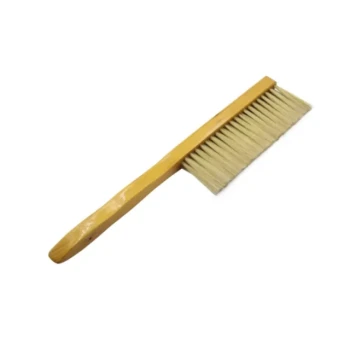
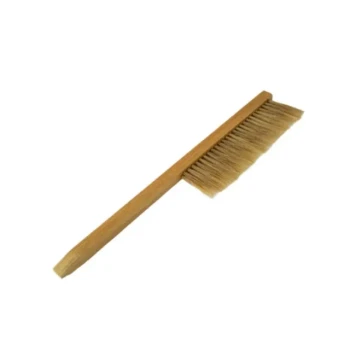
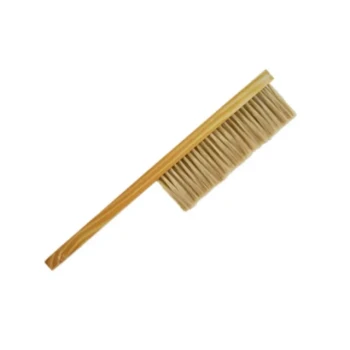
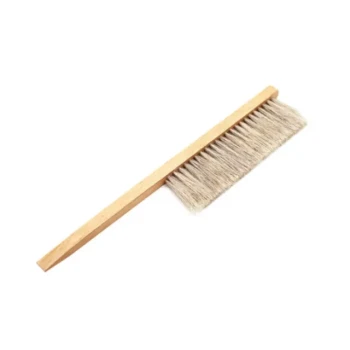
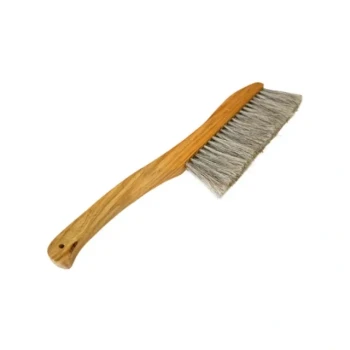
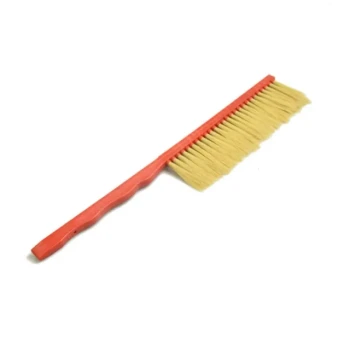
The Bee Brush is the primary instrument for managing the living workforce of the hive without causing casualties. It utilizes soft synthetic or natural bristles to gently sweep bees off hive components, allowing beekeepers to inspect frames or harvest honey while ensuring the physical safety of the worker bees.
Core Takeaway While other tools manage the physical structure of the hive, the Bee Brush manages the colony itself. Its distinct value lies in facilitating the efficient separation of bees from equipment without crushing them, ensuring that maintenance remains non-destructive to the colony's population.
The Principles of Non-Destructive Management
Preserving the Workforce
The primary contribution of the Bee Brush to non-destructive maintenance is the prevention of physical harm to the bees.
Unlike rigid tools, the brush is constructed with soft synthetic or natural bristles. This design choice ensures that when force is applied to move the bees, the bristles yield rather than the bees' bodies, preventing injury.
Facilitating Visual Inspection
To perform a thorough inspection, a beekeeper must often view the comb surface directly.
The Bee Brush allows for the gentle displacement of the colony from specific areas. By sweeping the bees aside, the beekeeper can check for brood health, queen presence, or honey stores without disrupting the hive's workflow permanently or accidentally killing bees during the observation.
Safe Honey Collection
During harvest, separating bees from the honey frames is critical.
The brush provides a method to clear frames completely before removal. This ensures that bees are not carried away from the hive during extraction, maintaining the colony's population numbers and preventing contamination of the harvest process.
The Ecosystem of Hive Tools
The Role of the Brush vs. The Hive Tool
It is vital to distinguish between maintaining the bees and maintaining the structure.
While the Bee Brush handles the living insects, specialized hive tools are required for the physical components. Supplementary data indicates that hive tools use leverage and high-strength edges to pry open covers and scrape propolis. Using a hard hive tool to move bees would be destructive; conversely, the soft bristles of a bee brush cannot handle structural maintenance.
Complementary Safety Measures
The Bee Brush often works in tandem with other management techniques to ensure a non-destructive environment.
For example, while the brush physically moves bees, a bee smoker chemically calms them by disrupting alarm pheromones. The smoker prepares the colony behaviorally, while the brush executes the physical movement, creating a holistic system of safe hive management.
Understanding the Trade-offs
Specificity of Application
The Bee Brush is designed for a singular purpose: moving bees.
It is not a cleaning tool for hive surfaces. Attempting to use the soft bristles to remove wax or propolis will ruin the tool and fail to clean the equipment.
The Risk of Improper Handling
While the tool is designed to be non-destructive, its effectiveness relies on the operator's technique.
The goal is "efficient separation," not forceful removal. Even with soft bristles, aggressive brushing can agitate the colony. The tool acts as a safeguard, but it must be used with the intent of gentle guidance rather than brute force.
Making the Right Choice for Your Goal
To maintain a healthy, non-destructive apiary, apply the tool based on your immediate objective:
- If your primary focus is Hive Inspection: Use the Bee Brush to gently clear small areas of the comb to visualize eggs or larvae without crushing the nursing bees.
- If your primary focus is Honey Harvest: Use the Bee Brush to sweep the entire frame clean of bees, ensuring no workers are lost or transported during the extraction process.
- If your primary focus is Structural Maintenance: Set aside the brush and utilize a hive tool to pry frames or scrape propolis, as the brush is ineffective for hard materials.
The Bee Brush bridges the gap between necessary intervention and colony safety, ensuring that human management does not come at the cost of the bees' physical well-being.
Summary Table:
| Feature | Bee Brush (Soft Bristles) | Hive Tool (Rigid Metal) |
|---|---|---|
| Primary Function | Moving/sweeping living bees | Prying frames and scraping propolis |
| Material Impact | Yields to prevent injury | Provides leverage for hard structures |
| Best Use Case | Inspections and honey harvesting | Structural maintenance and cleaning |
| Safety Level | High (Non-destructive to bees) | Low (Risk of crushing bees) |
Elevate Your Apiary's Safety with HONESTBEE
At HONESTBEE, we understand that a thriving colony is the heart of any successful commercial apiary. As a premier provider for distributors and commercial beekeeping operations, we offer a comprehensive wholesale range of high-quality beekeeping tools, machinery, and essential consumables.
From gentle bee brushes that protect your workforce to specialized hive-making and honey-filling machines, our portfolio is designed to enhance your operational efficiency. Whether you are scaling your honey production or stocking a distribution network, we provide the industrial-grade equipment you need to succeed.
Ready to upgrade your equipment? Contact us today to explore our wholesale solutions and discover how we can add value to your business.
References
- Asmiro Abeje, Lijalem Abebaw. Adoption and intensity of modern bee hive in Wag Himra and North Wollo zones, Amhara region, Ethiopia. DOI: 10.51599/are.2017.03.01.01
This article is also based on technical information from HonestBee Knowledge Base .
Related Products
- Wooden Bee Brush with Triple Row Artificial Fiber for Beekeeping
- Classic Wooden Bee Brush with Double-Row Boar Bristles
- Double Row Artificial Fiber Bee Brush for Beekeeping
- Wooden Bee Brush with Double-Row Horsehair Bristles
- Premium Triple-Row Horsehair Bee Brush
People Also Ask
- What is the specific function of a bee brush? Ensure Pure Harvests and Colony Welfare During Honey Extraction
- What are the key characteristics of the bristles on a bee brush? Master Gentle and Efficient Bee Removal
- What is the purpose of using a bee brush during the inspection of hive components? Safe & Precise Hive Management
- What problem does a bee brush solve? Protect Your Colony with Gentle Precision Tools
- Why is a bee brush necessary when extracting honeybee hive frames that contain larvae? Protect Your Brood and Colony