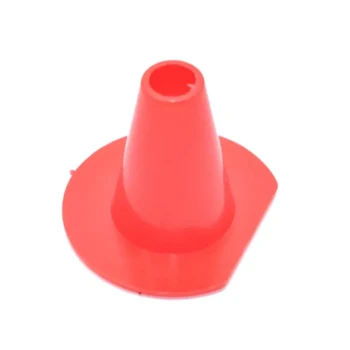
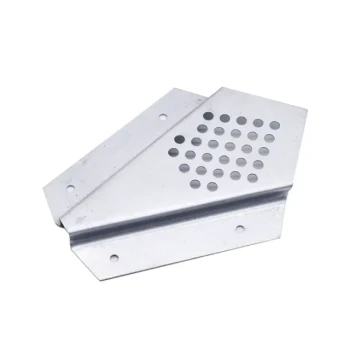
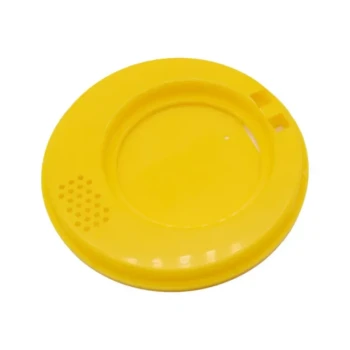
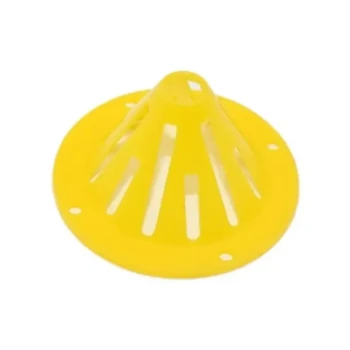
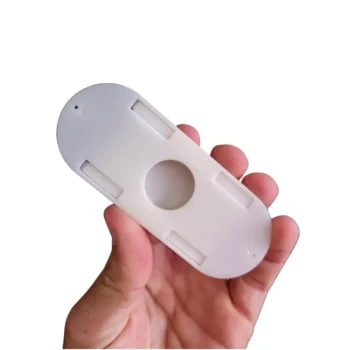
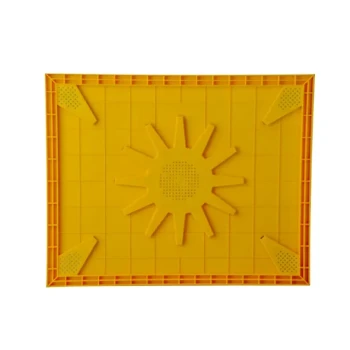
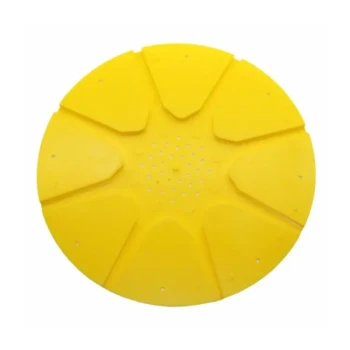
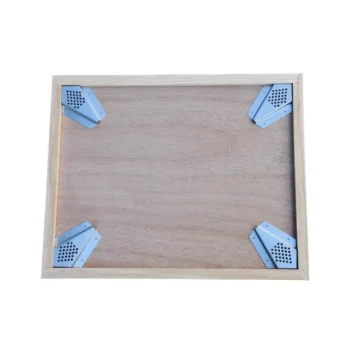
A bee escape functions as a mechanical one-way valve for your hive. It is a device inserted into the oval hole of an inner cover that allows worker bees to travel down out of a honey super, but prevents them from navigating their way back up.
The core principle is passive separation: the device leverages the colony's natural instinct to move down toward the brood nest at night, trapping them below the honey super so you can harvest without conflict.
The Mechanics of Clearance
The One-Way Barrier
The bee escape acts as a gatekeeper between the boxes of your hive. It typically features a maze or a set of springs that creates a clear path for exit but a confusing or physically impossible path for re-entry.
Installation Strategy
To use the device, you insert it into the central hole of a standard inner cover. You then place this cover directly underneath the honey super you intend to harvest, separating it from the brood boxes below.
The Nighttime Migration
Worker bees naturally migrate down toward the brood nest during the night to cluster for warmth and protect the queen. The escape board facilitates this movement but foils their attempts to return to the honey super the next morning.
Timeline and Expectations
Patience is Required
Unlike chemical fume boards or blowers, this is a slow process. Once the escape is installed, you must leave the hive undisturbed for 3 to 5 days.
Percentage of Clearance
While highly effective, the escape board may not remove 100% of the bees. It generally clears the vast majority, leaving the super mostly empty, but you should still expect to see a few stragglers.
Safety Precautions
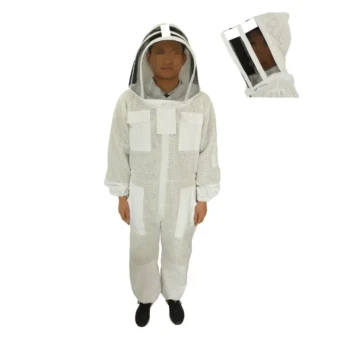
Because some bees may remain, you must still wear protective beekeeping gear when removing the super.
Common Pitfalls to Avoid
The Drone Blockage
The system relies on smooth traffic flow. If a drone (male bee) attempts to pass through the escape, his larger size can cause him to get stuck. A stuck drone acts as a cork, blocking the exit for all other bees and rendering the escape useless.
The Brood Factor
A bee escape will fail if the queen has laid eggs in your honey super. Nurse bees will never abandon brood. If there is brood in the super, the nurse bees will remain upstairs to keep it warm, regardless of the escape device.
Making the Right Choice for Your Harvest
Before installing a bee escape, assess the state of your hive to ensure success.
- If your primary focus is a stress-free harvest: Use a bee escape to clear the super passively over several days without using chemicals.
- If your primary focus is harvesting a super containing brood: Do not use a bee escape, as nurse bees will refuse to leave the frames.
- If your primary focus is avoiding equipment failure: Ensure no drones are present in the upper box, as they are the most common cause of mechanical blockage.
Successful use of a bee escape relies on patience and ensuring the super contains only honey, not brood.
Summary Table:
| Feature | Details |
|---|---|
| Mechanism | Mechanical one-way valve / passive separation |
| Time Required | 3 to 5 days for effective clearance |
| Primary Benefit | Stress-free, chemical-free harvesting |
| Success Factors | No brood in super; no drone blockages |
| Installation | Inserted into inner cover below the honey super |
Scale Your Apiary Efficiency with HONESTBEE
Ready to streamline your honey harvest? At HONESTBEE, we specialize in supporting commercial apiaries and distributors with high-quality beekeeping solutions. From precision-engineered bee escapes and hive components to advanced honey-filling machines and specialized hardware, our comprehensive wholesale catalog is designed to optimize your operations.
Whether you are looking for durable equipment or essential industry consumables, our team is here to provide the expertise and tools your business needs to thrive. Contact us today to discuss our wholesale offerings and discover how we can add value to your supply chain!
Related Products
- Professional Cone Style Bee Escape for Efficient Honey Harvesting
- Durable 16 Way Circular Bee Escape for Efficient Honey Harvesting
- Heavy Duty Metal Corner Bee Escape for Reliable Hive Clearing
- HONESTBEE Wooden Bee Escape Board with Triangle Mesh Design for Beekeeping
- Circular Labyrinth Bee Escape for Efficient Hive Management
People Also Ask
- What is the primary function of a bee escape? Simplify Your Honey Harvest with Stress-Free Hive Management
- What are some common types of bee escapes and how are they typically mounted? Optimize Your Honey Harvest Efficiency
- What modifications are needed to use a bee escape in a Warre hive? Ensure a Calm & Efficient Honey Harvest
- How long should a bee escape be placed before harvesting honey? The 24-48 Hour Guide to a Stress-Free Harvest
- How can bees be cleared off honey supers in a Langstroth hive? Use a Gentle Bee Escape