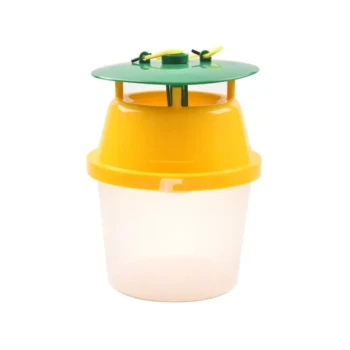
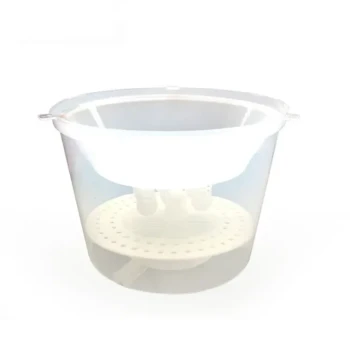
A bottom-mounted pollen trap functions as a mechanical filter secured at the base of the beehive's main entrance. As foraging bees attempt to enter the hive, they are forced to navigate through a specialized grid with precise aperture sizes. This physical constriction gently scrapes pollen pellets from the bees' hind legs, causing the raw samples to fall into a collection drawer below while allowing the bees to pass through unharmed.
Core Takeaway This device provides a non-destructive method for acquiring raw botanical samples by intercepting pollen before it is processed into "bee bread." It relies on precise grid geometry to separate nutritional resources from the colony without sacrificing the foraging workforce.
The Mechanics of Interception
The Stripping Grid
The core component of the trap is a trapping screen, typically a wire mesh or punched plate with 5mm openings. These holes are calibrated to be just large enough for a worker bee to squeeze through, but too small to accommodate the pollen loads stored in the corbiculae (pollen baskets) on their hind legs.
Gravity-Fed Collection
As the bee forces its body through the grid, the friction dislodges the pollen pellets. Because the device is mounted at the bottom, gravity ensures these pellets fall immediately away from the bee and into a removable collection drawer.
Preservation of Raw State
By intercepting the pollen at the entrance, the trap prevents the bees from mixing the pellets with nectar and glandular secretions to create bee bread. This ensures the sample remains raw and minimally disturbed, maintaining its chemical integrity for nutritional analysis or commercial sale.
Critical Design Features
Sample Protection
To prevent the colony from reclaiming the harvested pollen, a secondary protective screen (often 3mm mesh) is positioned above the collection drawer. This mesh allows pollen to fall through but prevents bees from entering the drawer to retrieve the lost resources.
Ventilation and Hygiene
The collection drawer typically features a mesh bottom. This provides essential ventilation to the hive and the pollen sample, preventing moisture buildup that could lead to mold growth or spoilage of the collected material.
Drone Escapes
Standard grids are too small for drones (male bees) to pass through. To prevent blockage and the accumulation of dead drones, sophisticated traps include drone escapes—typically 8mm plastic tubes—that allow the larger males to bypass the stripping grid and exit the hive.
Understanding the Trade-offs
Nutritional Stress
While efficient, these traps deprive the colony of protein. Continuous use can lead to nutritional deficiencies, affecting brood rearing. It is standard practice to utilize a feature that allows the grille to be lifted or slid out, giving bees unimpeded access to restore the hive's stores.
Hive Congestion
The restriction of the entrance can cause a "traffic jam" of returning foragers. This may temporarily reduce the overall foraging efficiency of the colony as bees spend more time navigating the entrance than flying.
Making the Right Choice for Your Goal
If your primary focus is Scientific Analysis:
- Prioritize traps with high-precision grids that minimize external impurities, ensuring the pollen reflects the exact nutritional contribution of the current landscape.
If your primary focus is Commercial Harvesting:
- Ensure the trap features a high-capacity, well-ventilated drawer and an easy-to-operate bypass mechanism to cycle between collection and colony feeding days efficiently.
Effective pollen trapping requires balancing the need for sample acquisition with the biological needs of the colony to ensure long-term hive health.
Summary Table:
| Feature | Component | Function in Pollen Collection |
|---|---|---|
| Interception | Stripping Grid (5mm) | Gently scrapes pollen pellets from bees' legs upon entry. |
| Storage | Collection Drawer | Securely holds raw pollen samples away from the colony. |
| Protection | Secondary Mesh (3mm) | Prevents bees from retrieving or contaminating fallen pollen. |
| Hygiene | Ventilated Base | Reduces moisture buildup to prevent mold and spoilage. |
| Maintenance | Drone Escapes/Bypass | Allows drones to exit and enables periodic colony feeding. |
Maximize Your Apiary’s Potential with HONESTBEE
Elevate your honey and pollen production with professional-grade equipment from HONESTBEE. As a dedicated partner to commercial apiaries and distributors, we provide a comprehensive wholesale range designed for efficiency and durability. Whether you need high-precision pollen traps, specialized hive-making machinery, or honey-filling solutions, our portfolio is built to support your growth.
Our Value to You:
- Comprehensive Inventory: From essential consumables to advanced industrial machinery.
- Wholesale Expertise: Tailored solutions and bulk pricing for large-scale operations.
- Industry Support: Merchandise and tools that cater to every facet of the beekeeping business.
Ready to scale your operation? Contact us today to discover how HONESTBEE can streamline your production and supply chain.
References
- Harper McMinn‐Sauder, Reed M. Johnson. Flowers in Conservation Reserve Program (CRP) Pollinator Plantings and the Upper Midwest Agricultural Landscape Supporting Honey Bees. DOI: 10.3390/insects11070405
This article is also based on technical information from HonestBee Knowledge Base .
Related Products
- 30 cm Plastic Entrance Hole Bee Pollen Trap and Collector
- Removable Plastic Pollen Trap With Ventilated Tray for Bees Pollen Collector
- Plastic Bee Pollen Trap Strips Comb Catcher Collector
- High-Efficiency Diamond Maze Bee Escape for Clearing Supers
- Langstroth Screen Bottom Board for Beekeeping Wholesale
People Also Ask
- What are the design principles and advantages of pollen traps in the collection of bee pollen? Boost Your Apiary Yield
- Why is frequent harvesting of bee pollen from traps necessary for quality control? Ensure Freshness and Prevent Mold.
- How often should bee pollen be harvested from a trap and why? Master Freshness and Prevent Spoilage
- What function do pollen traps serve in quantitative collection? Boost Your Apiary's Data & Production Efficiency
- What is the primary function of bee pollen traps? Optimize Your Pollen Harvest with Advanced Extraction Efficiency