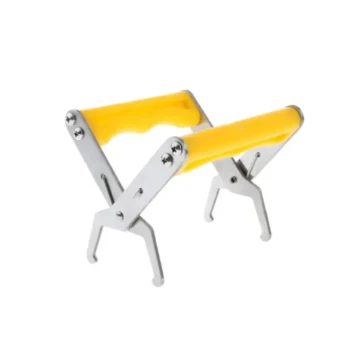
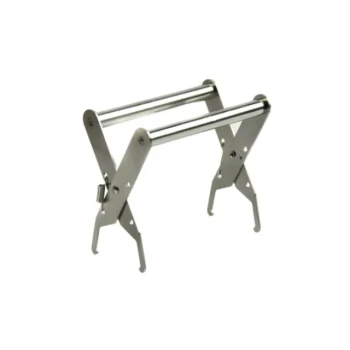
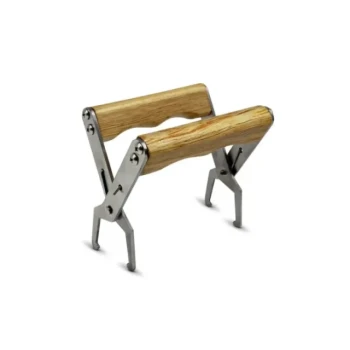
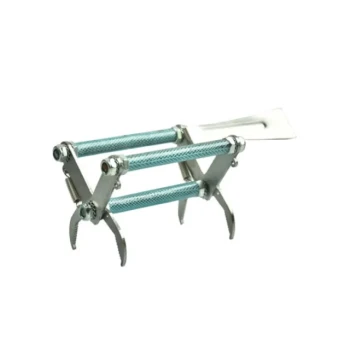
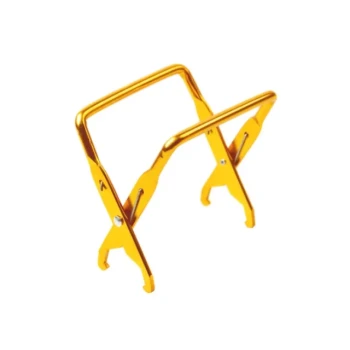
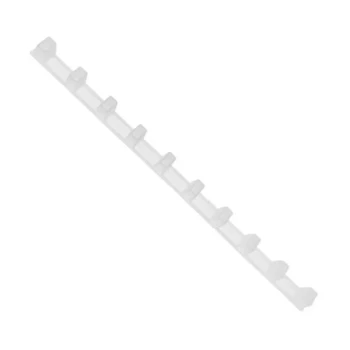
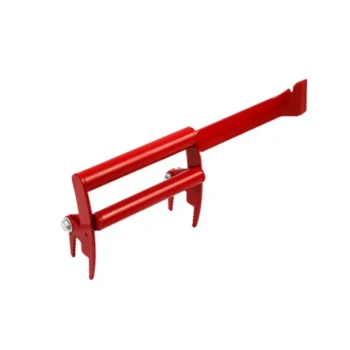
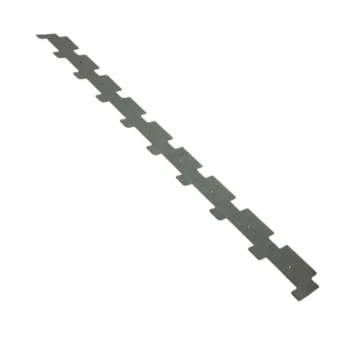
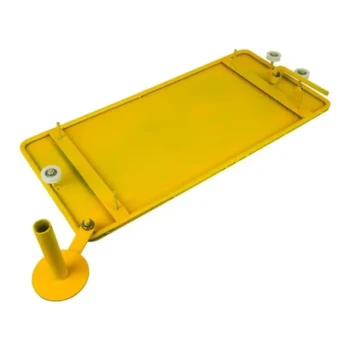
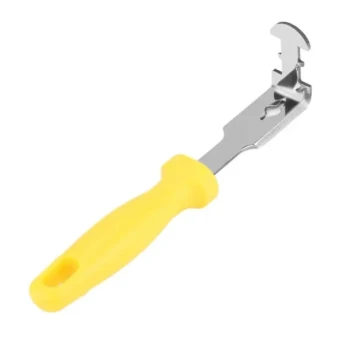
A frame rest functions as a temporary external bracket for your hive. It hooks securely onto the top edge of a hive body or super, providing a stable place to hang frames that you have removed during an inspection. By holding these frames outside the box, the tool creates the necessary void space inside the hive to manipulate the remaining frames safely.
The frame rest acts as a "sidecar" for the hive, allowing you to remove the first frame or two to create lateral working room. This prevents the accidental crushing of bees and damage to comb that often occurs when trying to pull tightly packed frames straight up.
The Mechanics of the Tool
Mimicking Internal Suspension
The design of a frame rest intentionally replicates the internal structure of the hive.
Just as the protruding ends of a frame's top bar rest on a "rabbet" inside the box, the frame rest provides a similar ledge on the outside. This ensures the frame hangs vertically and securely, preventing it from touching the ground or getting dirty.
External Attachment
The tool physically hangs over the lip of the hive super.
Because it attaches to the outside, it keeps the removed frames accessible but completely out of the way of your workspace. This allows you to focus on the deep inspection without juggling loose frames or placing them on the grass where they might injure bees.
Solving the Space Problem
Creating Lateral Movement
Beehives are constructed with precise "bee space" tolerances, meaning frames are packed tightly together.
To inspect a specific frame, you usually need to slide it sideways to break the propolis seal before lifting it. A frame rest allows you to remove the first frame entirely, creating a gap that allows you to loosen and slide the remaining frames.
Handling "Fat" Combs
Bees do not always build honeycomb within the perfect flat planes of the frame; they often build "burr comb" or thicken honey stores beyond the frame's width.
If you attempt to pull a thick frame straight up between two others, you risk "rolling" the bees—crushing them between the combs—or tearing the honeycomb. By using a frame rest to remove an adjacent frame first, you create enough clearance to lift irregular combs without damage.
Managing Propolis Buildup
Propolis is a resinous substance bees use to seal cracks, often gluing frames firmly in place.
When frames are stuck, significant force is required to pry them loose. A frame rest gives you the empty space required to insert a hive tool and apply leverage without damaging the wooden ware or the bees.
Understanding the Limitations
Temporary Exposure
While the frame rest is a valuable tool, it places the frame outside the protective environment of the hive.
Frames left on the rest are exposed to wind, direct sunlight, and potential "robber" bees from other colonies attracted to the exposed honey. It should be used only for the duration of the active inspection and not for long-term storage.
Stability Concerns
The frame rest relies on the weight of the frames and gravity to stay secure.
Beekeepers must ensure the tool is seated fully against the hive wall before loading it. An improperly seated rest can tip or fall if bumped, potentially damaging the frame or injuring the bees on it.
Making the Right Choice for Your Goal
Using a frame rest changes the workflow of your inspection. Here is how to apply it based on your objectives:
- If your primary focus is Bee Safety: Use the rest to remove the first frame immediately, preventing "rolled" bees and accidental queen injuries during tight lifts.
- If your primary focus is Comb Preservation: Use the rest to create space around "fat" honey frames so you can lift them without scraping the wax capping or causing leaks.
Mastering the use of a frame rest transforms a crowded, sticky inspection into a spacious and controlled process.
Summary Table:
| Feature | Function & Purpose | Benefit to Beekeeping |
|---|---|---|
| External Bracket | Hooks onto the hive body or super lip | Creates temporary external storage for frames |
| Internal Suspension | Replicates the hive's internal rabbet | Keeps frames vertical and off the ground/contaminants |
| Space Creation | Facilitates lateral frame movement | Prevents "rolling" bees and damaging fat combs |
| Stability Design | Uses gravity and frame weight to secure | Allows for hands-free, safe manipulation of hive tools |
Streamline Your Apiary Operations with HONESTBEE
Are you looking to enhance the efficiency and safety of your commercial beekeeping operations? At HONESTBEE, we specialize in supporting commercial apiaries and distributors with a comprehensive wholesale range of professional-grade tools. From precision-engineered frame rests and hive hardware to advanced hive-making and honey-filling machinery, our portfolio is designed to solve the space and productivity challenges of modern beekeeping.
Partner with us to access high-quality equipment, essential industry consumables, and unique honey-themed cultural merchandise that adds value to your brand.
Ready to scale your beekeeping business? Contact us today to explore our wholesale catalog and customized solutions!
Related Products
- Professional Galvanized Steel Frame Rest for Beehives
- Ergonomic High Visibility Plastic Frame Grip Handles
- Heavy-Duty Stainless Steel Frame Grip
- Durable Galvanized Steel Frame Grip
- Premium Frame Grip with Ergonomic Wood Handles
People Also Ask
- What are the standard dimensions for frame rests in a beehive? Essential Guide for Perfect Bee Space
- How does balancing the number of frames impact hive productivity? Optimize Your Apiary's Biological Output
- What are the main considerations when choosing between wooden and plastic bee hive frames? Optimize Your Apiary's Efficiency
- How do wooden and plastic hive frames compare in terms of durability? Wood vs. Plastic Longevity & Repairability
- What are the main types of beehive frames used in modern beekeeping? Find the Perfect Fit for Your Apiary