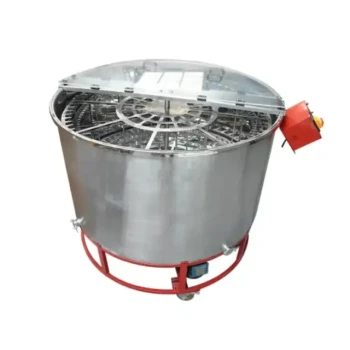
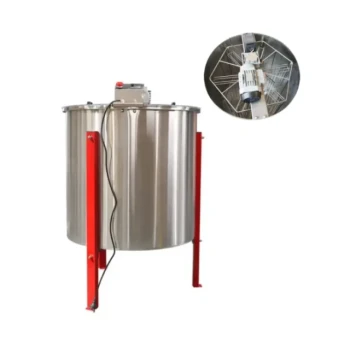
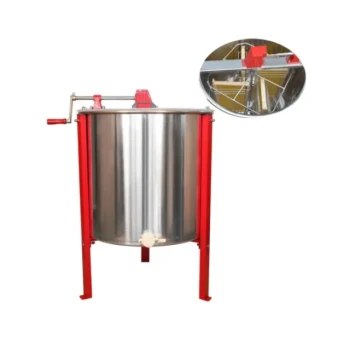
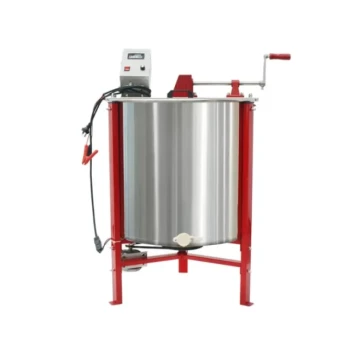
A mechanized Honey Extractor improves efficiency primarily by utilizing centrifugal force to separate liquid honey from the comb. Instead of crushing the honeycomb to extract the contents, the machine spins the frames at high speed, flinging the honey out while keeping the delicate wax structure intact. This allows for rapid processing without destroying the bees' internal hive infrastructure.
The Core Efficiency Principle The true value of a mechanized extractor is not just the speed of harvest, but the preservation of the wax comb. By returning intact combs to the hive, you eliminate the bees' need to expend massive amounts of energy secreting new wax, allowing the colony to focus immediately on nectar collection and significantly shortening the production cycle.
The Mechanics of Extraction
Utilizing Centrifugal Force
Mechanized extractors operate by spinning hive frames in a drum or basket. This high-speed rotation generates centrifugal force, which pulls the liquid honey out of the uncapped cells.
Separation Without Destruction
Unlike traditional manual methods, such as pressing or squeezing, this mechanical approach separates the honey without damaging the physical structure of the honeycomb. The wax cells remain open and structurally sound after the honey is removed.
The Biological Impact on Efficiency (The Deep Need)
Preserving Hive Infrastructure
The honeycomb is the "furniture" and storage facility of the hive. When you use an extractor that maintains the integrity of the wax combs, you are effectively recycling the colony's infrastructure.
Reducing Energy Expenditure
Bees must consume significant resources to produce beeswax. By returning emptied, intact combs to the hive, you reduce the energy expenditure required for bees to secrete wax and rebuild nests.
Shortening the Production Cycle
Because the bees do not need to spend time or energy rebuilding the comb, they can redirect their efforts. The colony can focus more energy specifically on pollen and nectar collection, which accelerates the accumulation of honey and shortens the time between harvests.
Comparing Methods: The Efficiency Trade-off
The Cost of Manual Extraction
It is important to understand what you lose when not using a mechanized extractor. Manual squeezing methods inherently destroy the honeycomb structure. While this extracts the honey, it forces the apiary into a rebuilding phase rather than a production phase.
The Cycle of Rebuilding
If the comb is destroyed, the efficiency of the apiary drops. The "trade-off" for using destructive methods is a longer production cycle, as bees must divert energy from foraging to construction to replace the lost wax.
Making the Right Choice for Your Goal
Using a mechanized extractor is about optimizing the biological energy of your hive.
- If your primary focus is Maximum Yield: Prioritize centrifugal extraction to recycle combs, as this allows bees to fill existing storage rather than building new storage.
- If your primary focus is Speed of Harvest: Utilize the high-speed rotation of mechanized extractors to process frames quickly without the bottleneck of comb reconstruction.
By preserving the comb, you transform your hive from a construction site back into a production facility.
Summary Table:
| Feature | Mechanized Extraction | Manual Crushing/Pressing |
|---|---|---|
| Mechanism | Centrifugal Force | Physical Squeezing/Crushing |
| Comb Condition | Preserved & Reusable | Destroyed |
| Bee Energy Use | Focused on Nectar Collection | Redirected to Wax Production |
| Production Cycle | Significantly Shortened | Delayed by Rebuilding |
| Harvest Speed | High-speed processing | Slow and labor-intensive |
Scale Your Honey Production with HONESTBEE
Are you looking to transition your apiary from a construction site back into a high-output production facility? HONESTBEE specializes in empowering commercial apiaries and distributors with the industry's most efficient tools.
Our comprehensive wholesale range includes everything from high-speed honey extractors and honey-filling machines to specialized hive-making hardware. By choosing HONESTBEE, you ensure your bees spend less time building wax and more time producing premium honey.
Ready to optimize your harvest? Contact us today to explore our full spectrum of beekeeping machinery and essential consumables tailored for large-scale success.
References
- Jean Nepo Nsengiyumva. Analysis of the profitability of honey production in Nyamagabe District in Rwanda. DOI: 10.2139/ssrn.3956624
This article is also based on technical information from HonestBee Knowledge Base .
Related Products
- HONESTBEE 72 Frame Industrial Electric Honey Extractor for Beekeeping
- Commercial Electric 12 Frame Honey Extractor Spinner Motorized Honey Extractor
- HONESTBEE 3-Frame Manual Acrylic Honey Extractor
- electric honey extractor honey centrifuge 3 frame honey extractor stainless steel honey frame extractor
- HONESTBEE 6 Frame Self Reversing Electric Honey Extractor for Beekeeping
People Also Ask
- What is the importance of balancing honeycomb frames within a honey extractor? Ensure Stability and Protect Machinery
- How is honey separated from the frames after they are uncapped? Efficient Extraction Methods for High Yields
- What are the main benefits of using a honey extractor? Maximize Yields and Protect Your Honeycomb
- What are the recommended methods for removing honey from the honeycomb? Top Extraction Techniques for Maximum Efficiency
- How do manual honey extractors compare to electric honey extractors? Choosing the Right Tool for Your Apiary Growth