Modern movable-frame hives and specialized apicultural equipment make commercial growth more manageable, repeatable, and cost-efficient. Movable frames allow beekeepers to inspect colonies, control disease, manage brood, and harvest honey without destroying the comb structure. Standardized hives, extraction equipment, monitoring tools, protective gear, and hive-making machinery then turn individual beekeeping practices into an integrated operating system that can support larger apiaries and higher production volumes.
The central advantage is standardization: modern equipment helps commercial beekeepers manage more colonies with consistent procedures, lower avoidable labor, better product hygiene, and a stronger foundation for expansion.
Why Traditional Methods Become a Scaling Constraint
Expansion increases management complexity
A small apiary can often rely on manual inspection and locally built equipment. As colony numbers grow, inconsistent hive dimensions, irregular frames, and labor-intensive harvesting make routine operations slower and more difficult to control.
Commercial scale requires equipment that supports repeatable inspection, transport, harvesting, maintenance, and record-based colony management.
Destroying comb wastes productive capacity
Movable-frame hives allow operators to remove and inspect frames while preserving the colony’s established comb structure. This avoids rebuilding comb after every intervention and helps colonies direct more energy toward brood development and honey production.
The result is a more efficient cycle between colony management and harvest.
How Movable-Frame Hives Improve Colony Management
Inspection becomes systematic
With removable frames, beekeepers can examine brood patterns, food stores, queen performance, and signs of disease without dismantling the colony. This makes inspections more consistent across multiple apiaries and management teams.
Standardized access also supports clearer operating procedures and easier training for staff.
Disease control becomes more practical
Movable frames make it easier to identify abnormal colony conditions and isolate or replace affected components. Early intervention can reduce the risk that health problems spread through a larger apiary.
Equipment does not replace professional veterinary or apicultural judgment, but it gives operators better physical access for making timely decisions.
Colony movement and expansion become easier
Controlled, movable nest structures are better suited to seasonal management, colony relocation, and organized apiary expansion. Standardized hive formats also simplify loading, palletized transportation, and warehouse planning.
This matters when operations must coordinate equipment, colonies, feed, personnel, and harvested products across multiple locations.
How Specialized Equipment Increases Production Efficiency
Honey extraction reduces repetitive labor
Modern extraction and processing equipment helps operators handle larger volumes more efficiently than manual harvesting methods. Standardized workflows can reduce unnecessary labor and improve consistency from frame removal through honey recovery.
The benefit becomes more significant as colony numbers and harvest volumes increase.
Processing consistency supports quality control
Standardized equipment helps control hygiene and processing conditions, contributing to more consistent product quality and physicochemical characteristics. This is particularly important for wholesalers, exporters, and suppliers serving markets with strict agricultural compliance requirements.
Consistent processes also make it easier to define quality checks and identify deviations.
Protective equipment supports safer operations
Professional clothing, smokers, and related handling equipment reduce operational risks for workers during inspections and harvests. Safer working conditions help commercial operators maintain productivity while managing larger numbers of colonies.
This is an operational requirement, not merely an accessory category.
Why Standardized Hive Manufacturing Matters
In-house production reduces expansion bottlenecks
Specialized hive-making and frame-assembly machinery allows operators or equipment suppliers to produce standardized components more quickly. This can reduce dependence on irregular artisanal construction and help prevent hive shortages from limiting colony expansion.
For large beekeeping clusters, reliable equipment availability is part of production capacity.
Precision improves interchangeability
Mechanized cutting and standardized assembly improve dimensional consistency and structural integrity across hives and frames. Interchangeable components simplify repairs, replacement, inspection, and stock management.
They also make it easier for workers to apply the same procedures across the apiary.
Manufacturing supports integrated supply
A full equipment portfolio can connect hive production, colony management, honey extraction, protective equipment, packaging, and replacement parts. This creates a more coordinated operating model than sourcing every category from unrelated suppliers.
For distributors and B2B resellers, this creates value through one-stop sourcing, faster order fulfillment, and better compatibility across product lines.
How Equipment Supports Commercial Logistics
Standardized hives fit organized transport systems
Uniform hive dimensions support palletized transportation and more predictable warehouse planning. This is valuable when colonies, empty equipment, and harvested products move between apiaries, processing sites, and distribution centers.
Better physical standardization improves coordination throughout the operating network.
Components become easier to inventory
When hives, frames, and related parts follow consistent specifications, operators can forecast requirements and maintain practical replacement inventories. This reduces delays caused by incompatible or improvised components.
For commercial buyers, dependable availability can be as important as the initial equipment specification.
Fast supply supports seasonal operations
Beekeeping expansion and harvest schedules are time-sensitive. Responsive suppliers with broad product coverage, dedicated service, and efficient delivery can help reduce downtime when operators need additional hives, frames, machinery, or protective equipment.
This is why commercial customers should evaluate not only product quality, but also supplier responsiveness and fulfillment capability.
Understanding the Trade-offs
Equipment requires upfront investment
Modern hives, extraction systems, machinery, and monitoring tools require capital before additional production revenue is realized. The investment should therefore be matched to colony growth plans, labor availability, and expected utilization.
Buying advanced equipment without sufficient throughput can create underused capacity.
Standardization must match the operating environment
A standardized hive system is most valuable when its dimensions, materials, ventilation design, and components are suitable for the local climate and management method. Standardization should improve compatibility without ignoring regional operating conditions.
Technical fit matters more than adopting equipment simply because it is modern.
Mechanization does not eliminate expertise
Machinery can improve speed, precision, and repeatability, but it cannot replace sound colony management. Operators still need expertise in queen management, nutrition, disease recognition, seasonal timing, and environmental risk.
The strongest results come from combining equipment standardization with trained personnel and disciplined procedures.
Supplier quality affects the entire system
A weak component, inconsistent frame, or delayed replacement part can disrupt otherwise efficient operations. Buyers should assess dimensional consistency, material quality, after-sales support, delivery reliability, and the supplier’s ability to provide compatible products over time.
A commercial equipment program should be treated as a system, not a collection of isolated purchases.
Making the Right Choice for Your Goal
The most effective purchasing strategy begins with the operational bottleneck that is limiting growth.
- If your primary focus is expanding colony numbers: Prioritize standardized movable-frame hives, frames, and hive-making capacity that can support rapid, consistent apiary expansion.
- If your primary focus is increasing labor productivity: Invest in extraction, processing, and handling equipment that reduces repetitive manual work and supports higher throughput.
- If your primary focus is colony health and yield per hive: Select equipment that improves frame access, inspection, monitoring, and response to disease or environmental fluctuations.
- If your primary focus is export-quality production: Build standardized hygiene, harvesting, and processing workflows supported by equipment that promotes consistent product characteristics.
- If your primary focus is distribution or resale: Work with suppliers offering a broad, compatible product portfolio, rapid response, dedicated service, and dependable delivery.
- If your primary focus is reducing expansion delays: Choose a partner capable of supplying hives, components, machinery, protective equipment, and replacement parts through an efficient fulfillment system.
Modern equipment gives commercial beekeepers the standardization and control needed to scale production without allowing colony management, labor, or supply constraints to grow faster than the business.
Summary Table:
| Aspect | Benefit |
|---|---|
| Movable-frame hives | Enables systematic inspections and disease control |
| Specialized equipment | Reduces labor and improves processing consistency |
| Standardized manufacturing | Ensures interchangeable parts and supply reliability |
| Logistics integration | Facilitates transport, inventory, and seasonal operations |
| Investment considerations | Balance upfront costs with long-term efficiency gains |
Ready to scale your commercial beekeeping operation? As a leading wholesale supplier, HONESTBEE offers a comprehensive range of beekeeping tools, machinery, and equipment designed for professional apiaries and distributors. Our one-stop sourcing, dedicated service, and rapid delivery ensure you have the right equipment to boost productivity and meet market demand. For distributors, we provide OEM/ODM support and certified quality to strengthen your competitive edge. Contact us today to discover how we can help you grow efficiently — Get in touch now.
Related Products
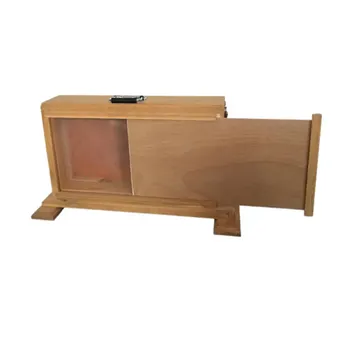
- Professional Observation Hive: The Ultimate Portable Solution for Beekeeping Education, Exhibitions, and Colony Displays
- Professional Grade Foldable Beehive Handles
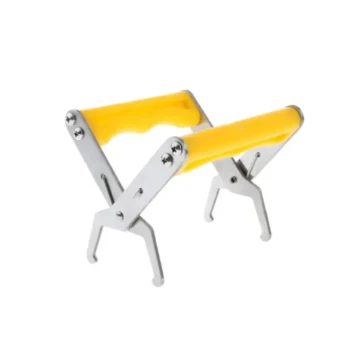
- Heavy-Duty Stainless Steel Clip-On Frame Perch
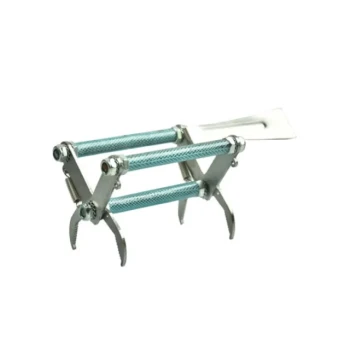
- Multi-Function Plier-Style Frame Grip Hive Tool
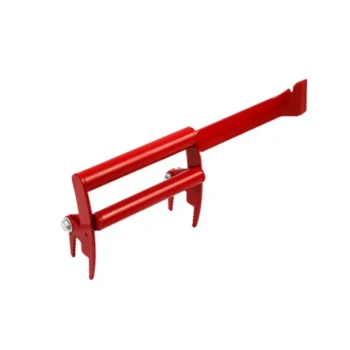
- Heavy-Duty Lever-Action Frame Grip with Hive Tool
People Also Ask
- How does transitioning to modern hives boost honey yield? Increase production and product quality for your commercial apiary
- How do Langstroth and Dadant standard beehives compare regarding brood chamber management and component compatibility? Find the Perfect Fit for Your Apiary
- What are the primary differences between Langstroth, horizontal top bar, and Warré hive box designs when selecting beekeeping equipment? Choose the Right Hive for Your Apiary
- Why do commercial apiary operators transition from traditional hive structures, such as clay cylinders, to standardized Langstroth hive boxes? Discover Scalable Beekeeping Solutions
- What is the recommended frame and box setup for a standard Langstroth hive configuration? Discover the optimal Hive Configuration for Best Results