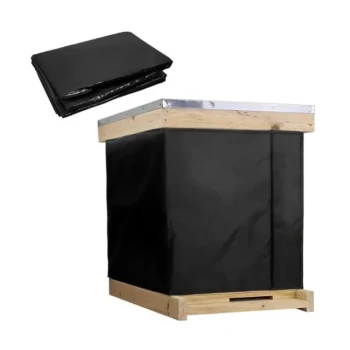
An insulated cover box functions as a secondary thermal shield that encases the hive body while strictly preserving flight access for the bees. By shielding the hive from direct solar radiation and dampening drastic swings in ambient temperature, it significantly lowers the internal heat stress on the colony. This thermal stability directly correlates to measurable performance gains, including increased capped brood area, higher honey storage, and a stronger overall colony population.
The core value of an insulated cover box is energy conservation. By mechanically regulating the hive's microclimate, it allows bees to redirect energy from temperature maintenance to productive tasks like brood rearing and resource accumulation.
Regulating the Hive Microclimate
To understand why performance improves, you must first understand how the cover box alters the hive's physical environment.
Creating a Secondary Shell
The cover box acts as a secondary protective layer surrounding the main hive body. This "box-within-a-box" approach isolates the internal hive environment from the immediate external weather conditions.
Crucially, this design is engineered to cover the structure without obstructing the bees' flight paths. The colony retains full access to the outside world for foraging while the hive structure remains shielded.
Blocking Solar Radiation
One of the primary stressors for a colony is direct sunlight, which can rapidly overheat the hive. The insulated cover box effectively blocks direct solar radiation.
By intercepting this heat load before it reaches the hive walls, the box prevents the internal temperature from spiking. This smoothing effect reduces drastic fluctuations in ambient temperature, maintaining a more stable baseline for the bees.
Biological Impacts on the Colony
When the physical environment is stabilized, the biological behavior of the colony shifts from survival to growth.
Reducing Heat Stress
Bees expend significant energy cooling the hive when temperatures rise. By lowering internal heat stress, the insulated cover box reduces the workload on the colony.
Fewer bees are required for fanning and water collection to cool the hive. This conservation of labor and energy is the foundational driver for other performance metrics.
Increasing Capped Brood Area
A stable thermal environment is critical for larval development. The reduction in temperature volatility leads to an increase in capped brood area.
With less heat stress, the queen can lay more effectively, and nurse bees can maintain the brood nest at optimal temperatures with less effort. This results in a higher survival rate for developing bees.
Enhancing Honey Storage
When the colony spends less energy on climate control, it can allocate more resources to foraging and processing nectar. The reference data indicates this leads to higher honey storage levels.
The efficiency gain is twofold: more bees are available to forage, and less honey is consumed by the bees themselves to fuel cooling activities.
Operational Considerations
While the benefits are clear, it is important to understand the context of using an insulated cover box to ensure it aligns with your management style.
Physical Bulk and Complexity
Using a cover box introduces an additional physical component to your apiary setup. It serves as an external shell, which means you are managing a larger physical footprint for each hive.
Targeted Environmental Defense
This tool is specifically designed to mitigate solar radiation and ambient temperature fluctuations. Its primary utility is in environments where external heat and temperature instability are the limiting factors for colony performance. It is a specialized tool for thermal regulation, rather than a cure-all for other biological issues like pests or nutrition.
Making the Right Choice for Your Goal
Implementing an insulated cover box is an investment in the colony's energy budget. Here is how to decide if it fits your objectives:
- If your primary focus is Colony Growth: The box aids this goal by expanding the capped brood area, allowing the population to build momentum faster.
- If your primary focus is Yield: The reduction in heat stress allows the colony to maximize honey storage rather than burning resources on cooling.
By stabilizing the hive's thermal environment, you essentially free up the colony's workforce to focus on what matters most: survival, growth, and production.
Summary Table:
| Feature | Impact on Hive Environment | Key Performance Benefit |
|---|---|---|
| Secondary Shell | Isolates hive body from external weather | Enhanced microclimate stability |
| Solar Blocking | Prevents spikes from direct radiation | Reduced internal heat stress |
| Energy Conservation | Minimizes need for fanning and cooling | Higher capped brood area |
| Resource Allocation | Redirects energy from survival to production | Increased honey storage & yield |
Maximize Your Apiary Productivity with HONESTBEE
At HONESTBEE, we understand that commercial success in beekeeping depends on equipment that optimizes colony energy and worker efficiency. As a leading provider for commercial apiaries and distributors, we offer a comprehensive wholesale range—from high-performance hive insulation solutions and hive-making machinery to advanced honey-filling equipment and essential consumables.
Ready to scale your operation and provide your bees with the ultimate thermal protection? Contact us today to discuss our wholesale offerings and discover how our specialized beekeeping tools and honey-themed merchandise can drive value for your business.
References
- Hossam F. Abou‐Shaara, Abdelsalam A. Mohamed. Honey bee colonies performance enhance by newly modified beehives. DOI: 10.2478/jas-2013-0016
This article is also based on technical information from HonestBee Knowledge Base .
Related Products
- Professional Insulated Winter Hive Wrap for Beekeeping
- Inner Beehive Cover for Beekeeping Bee Hive Inner Cover
- Professional Insulated Plastic Bee Hives
- Telescopic Beehive Outer Cover Lid Roof with Galvanised Sheeting for Langstroth Hive and Beehive Outer Cover
- Metal Bee Hive Stand Bee Box Stand for Beekeeping
People Also Ask
- What are the steps to properly wrap a beehive for winter? Ensure Your Colony Survives the Cold
- When is the best time to wrap a beehive for winter? A Guide to Perfect Winterization Timing
- How do professional insulation wraps provide protection for bee colonies? Optimize Winter Survival & Energy Efficiency
- What are the technical benefits of using winter wraps for beehive insulation? Boost Colony Survival & Hive Health
- What are the benefits of using insulated covers for hives? Ensure Colony Survival and Health