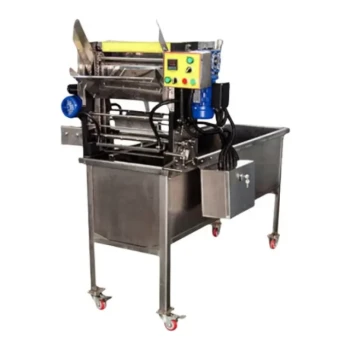
Automated filling equipment secures product quality by combining high-precision measurement with a sterile, enclosed processing environment. This technology specifically addresses honey's unique physical properties—high viscosity and heat sensitivity—to maintain ingredient stability while eliminating the contamination risks inherent in manual handling.
The Core Insight Honey is a hygroscopic, biologically active product that degrades easily when exposed to air, moisture, or excess heat. Automation transforms packaging from a simple transfer task into a preservation process, strictly safeguarding the honey's natural enzymes, flavor profile, and shelf stability against environmental variables.
Preserving Biological Integrity
Controlling the Atmosphere
Honey is naturally hygroscopic, meaning it readily absorbs moisture from the surrounding air. Automated, enclosed filling systems minimize the honey's exposure time to the open atmosphere.
This isolation is critical because excess moisture absorption can lead to fermentation. By sealing the product in a controlled environment, the equipment prevents microbial growth and ensures the honey maintains its quality throughout its shelf life.
Eliminating Human Error
Manual packaging introduces significant risks of biological contamination. Sterile automated systems remove direct human contact from the filling process.
This adherence to strict hygiene standards meets food safety compliance requirements. It ensures that the final product remains free from external bacteria or foreign particles that often accompany manual handling.
Managing Viscosity Without Degradation
Precision Temperature Regulation
Honey is highly viscous, making it difficult to bottle efficiently without intervention. Integrated temperature control systems gently manage this viscosity to facilitate flow without overheating the product.
This balance is vital because honey is heat-sensitive; excessive heat destroys natural enzymes and alters flavor. Advanced equipment maintains the product in a fluid state while strictly preserving its nutritional and sensory components.
Preventing Physical Waste
Automated machines utilize anti-drip and cut-off mechanisms at the nozzle. This prevents the sticky residue that often plagues manual filling lines.
By ensuring the exterior of the packaging remains clean, the equipment protects the professional image of the product. It also reduces material waste, ensuring that every drop of processed honey makes it into the container.
Ensuring Standardization and Compliance
Accurate Volumetric Measurement
To meet legal metrology requirements, automated fillers use precision metering pumps or weight sensors. This ensures the net content of every unit is consistent and compliant with labeling laws.
This consistency builds consumer trust and prevents financial loss from overfilling. It ensures that the weight on the label matches the product inside the jar, every single time.
Traceability and Labeling Integration
Modern systems often combine filling with labeling capabilities. These systems can record physico-chemical indicators, such as moisture content and reducing sugars, directly onto the batch label.
This data integration supports full-link traceability from the apiary to the consumer. It helps producers comply with regulatory standards (such as SIF) and allows for rapid quality verification.
Understanding the Trade-offs
Capital Investment vs. Volume
While automation ensures quality, it requires a significant upfront capital investment. For very small apiaries, the cost of high-precision machinery may outweigh the efficiency gains compared to manual methods.
Complexity of Maintenance
Automated systems increase the technical complexity of the production line. Ensuring these machines remain sterile and precise requires regular, specialized maintenance and cleaning protocols that manual filling does not demand.
Temperature Risks
If the temperature control sensors fail or are improperly calibrated, there is a risk of overheating the honey. Operators must vigilantly monitor thermal settings to prevent accidental pasteurization or enzyme damage.
Making the Right Choice for Your Goal
When selecting filling equipment, align the technology with your specific product strategy:
- If your primary focus is Raw/Artisanal Honey: Prioritize equipment with advanced, low-temperature viscosity management to strictly preserve enzyme activity and flavor profiles.
- If your primary focus is Commercial Scale: Prioritize machines with high-speed volumetric sensors and integrated labeling to ensure strict weight compliance and traceability across large batches.
Ultimately, automated filling is not just about speed; it is a critical quality control gate that locks in purity and locks out contamination.
Summary Table:
| Feature | Quality Control Benefit | Impact on Honey Integrity |
|---|---|---|
| Enclosed Systems | Minimizes air & moisture exposure | Prevents fermentation and microbial growth |
| Thermal Management | Gentle viscosity regulation | Preserves natural enzymes and flavor profiles |
| Precision Sensors | Accurate volumetric measurement | Ensures legal weight compliance and trust |
| Anti-Drip Nozzles | Eliminates sticky residue | Maintains packaging cleanliness and reduces waste |
| Automated Labeling | Real-time batch traceability | Simplifies regulatory compliance (e.g., SIF) |
Scale Your Apiary with Professional Honey Processing Solutions
At HONESTBEE, we empower commercial apiaries and distributors with the high-precision machinery needed to protect product integrity. Whether you require specialized honey-filling machines with advanced thermal control or a full suite of beekeeping tools and equipment, our wholesale solutions are designed for efficiency and compliance.
Our value to you:
- Advanced Technology: Preserve natural enzymes with our low-heat viscosity management systems.
- End-to-End Support: From hive-making hardware to professional cultural merchandise.
- Global Standards: Equipment built to meet rigorous food safety and traceability requirements.
Ready to enhance your production quality? Contact HONESTBEE today to discuss our comprehensive equipment packages!
References
- Dilek Kabakcı, Engin Derebaşı. Effects of Honey Sales Performed via Television Commercials on Consumers‘ Buying Behavior. DOI: 10.24925/turjaf.v8i11.2330-2333.3312
This article is also based on technical information from HonestBee Knowledge Base .
Related Products
- Fully Automatic Honey Filling Packaging Machine for Processing Line
- Automatic Honey Filling and Filtering Machine for Beekeeping Bottle Filling
- Precision Durable Efficient HONESTBEE Rotary Honey Filling Machine
- Semi Automatic Small Honey Bottle Filling Machine Honey Filler
- Precision Automated Packaging Turntable Honey Spoon Filling Sealing Packing Machine
People Also Ask
- Why are fully automatic honey filling and packaging lines essential? Boost Your Honey's Market Value and Quality
- What is a fully-automatic honey filler? Streamline Your Production with High-Precision Automation
- How do automated honey filling and packaging machines affect profitability? Boost Margins with HONESTBEE Technology
- How do automated honey filling and packaging machines contribute to the market value of honey products? Maximize Your ROI
- How do industrial-grade automated honey filling and packaging machines mitigate the risk of physical contamination?