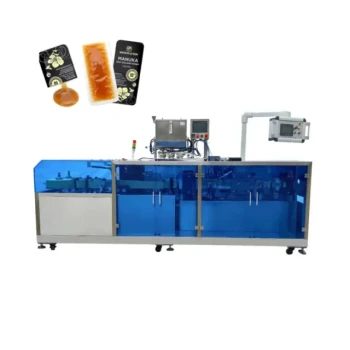
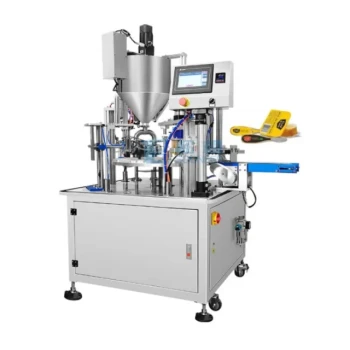
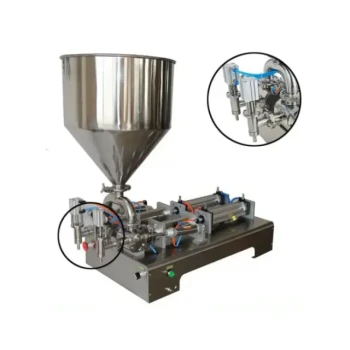
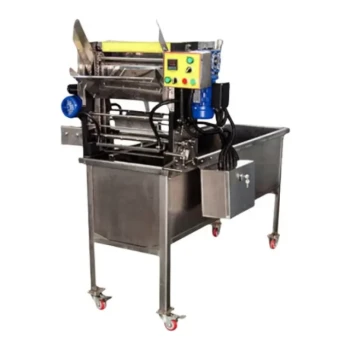
Automatic filling equipment secures honey quality by strictly controlling the packaging environment to minimize exposure to air and contaminants. For delicate wild honey varieties, such as those from Apis florea, these industrial systems reduce processing time and isolate the product, preventing oxidation and moisture absorption that would otherwise degrade unique flavors and medicinal compounds.
By replacing manual handling with sterile, closed-loop processing, automation transforms honey packaging from a simple transfer task into a preservation strategy. It locks in natural bioactivity and ensures strict hygiene compliance, which is critical for high-value wild floral sources.
Preserving Bioactive Integrity
Minimizing Oxidation and Moisture
Wild honey is often prized for its medicinal value and active ingredients. Automatic filling reduces the time honey is exposed to air, which is the primary driver of quality degradation.
Prolonged exposure to the atmosphere allows honey to absorb environmental moisture and suffer from oxidation. By accelerating the packaging process, machinery maximizes the retention of the natural active ingredients derived from wild plant communities.
Retaining Sensory Characteristics
Honey from specific wild sources varies significantly in color, flavor, and crystallization speed. High-standard post-processing equipment is designed to maintain these original sensory profiles.
By sealing the product quickly and efficiently, the equipment preserves the specific flavor notes and clarity that buyers demand. This direct preservation of the nectar’s biological activity ultimately supports a higher market price for single-origin products.
Ensuring Purity and Hygiene
The Closed-Loop Advantage
Advanced filling machinery utilizes fully enclosed piping systems. This isolates the honey from the surrounding environment from the moment of extraction to the final seal.
This physical barrier prevents secondary microbial contamination that often occurs during open-air handling. It effectively stops environmental pollutants from entering the final product, ensuring it remains as pure as it was in the hive.
Eliminating Human Contamination
Manual filling introduces the risk of human error and biological contamination. Automated metering minimizes contact between the honey and human operators.
This "no-touch" approach creates a sterile processing condition. It ensures that the final packaged product adheres to strict food safety regulations and hygiene standards required for large-scale distribution.
Material Safety and Standardization
Preventing Metal Migration
Industrial-grade equipment is typically manufactured from food-grade stainless steel. This is a critical safety feature for wild honey processing.
This material choice prevents external metal impurities or heavy metals from migrating into the honey during processing. It ensures that the product remains chemically pure and falls below legal safety limits for heavy metals.
Precision and Airtightness
Beyond hygiene, quality is also defined by consistency and stability. Precision weight metering and vacuum sealing technologies ensure every unit meets international legal regulations.
Vacuum sealing guarantees the airtightness of the bottle, preventing secondary moisture absorption during storage. This ensures the physical stability of the honey, even during the rigorous conditions of export transportation.
Understanding the Trade-offs
High Capital Investment
While the quality benefits are clear, the initial cost of automation is significant.
For small-scale apiaries or hobbyists, the expense of industrial-grade machinery may not be justifiable compared to the volume of honey produced. This equipment is an investment best suited for operations scaling toward commercial competitiveness.
Maintenance and Cleaning Rigor
The complexity of precision pumps and enclosed piping requires disciplined maintenance protocols.
Because the system handles high-viscosity fluids, failure to clean the equipment thoroughly can lead to crystallization within the machinery or cross-contamination between batches. The "quality" guarantee is only as good as the operator's adherence to cleaning schedules.
Making the Right Choice for Your Goal
To maximize the value of your honey processing setup, consider your specific operational targets:
- If your primary focus is Medicinal Value: Prioritize equipment with vacuum sealing and high-speed enclosed loops to minimize oxidation and preserve bioactivity.
- If your primary focus is Export Compliance: Ensure your machinery features precision weight metering and food-grade stainless steel construction to meet international safety and labeling laws.
Investing in the right automation acts as a final safeguard, ensuring the hard-won qualities of wild honey reach the consumer exactly as nature intended.
Summary Table:
| Feature | Quality Impact on Wild Honey | Benefit to Commercial Operations |
|---|---|---|
| Closed-Loop System | Prevents oxidation & moisture absorption | Preserves medicinal bioactivity and flavor |
| Food-Grade Stainless Steel | Eliminates heavy metal migration | Ensures chemical purity and safety compliance |
| Vacuum Sealing | Guarantees airtight packaging | Extends shelf life and prevents fermentation |
| Automated Metering | Reduces human contact | Maintains high hygiene standards for export |
| Precision Filling | Ensures exact weight and volume | Compliance with international labeling laws |
Elevate Your Honey Quality with HONESTBEE Solutions
At HONESTBEE, we understand that preserving the medicinal value and unique flavor of wild floral honey requires more than just a container—it requires precision engineering. We provide commercial apiaries and distributors with high-performance honey-filling machines, hive-making equipment, and a full spectrum of professional beekeeping tools designed to scale your operations.
Whether you are looking for advanced machinery to meet export standards or essential industry consumables, our comprehensive wholesale offerings are tailored to your success. Lock in the natural bioactivity of your harvest today.
Contact our experts to find your custom solution
References
- A. Vidhya, M Shanthi. Weed Flora, A Rich Foraging Source for Little/Dwarf Bee Apis florea Fabricius (Hymenoptera: Apidae) in Madurai District, Tamil Nadu. DOI: 10.20546/ijcmas.2019.806.115
This article is also based on technical information from HonestBee Knowledge Base .
Related Products
- Automatic Honey Filling and Filtering Machine for Beekeeping Bottle Filling
- Fully Automatic Honey Filling Packaging Machine for Processing Line
- Semi Automatic Small Honey Bottle Filling Machine Honey Filler
- Automatic Single-Dose Snap & Squeeze Honey Sachets Packing Machine
- Precision Durable Efficient HONESTBEE Rotary Honey Filling Machine
People Also Ask
- What process advantages do professional honey filtering and filling machines provide? Optimize Your Organic Honey Output
- How do honey filling and filtering machines increase product value? Turn Raw Honey into Premium Export-Grade Goods
- How do honey filtration and filling machinery contribute to industrialization? Scale Your Commercial Honey Production
- What specific issues do industrial filtration and automated filling machinery address? Ensure Honey Quality & Compliance
- How does the use of professional honey filtration and filling machinery facilitate international honey exports?