Chalkbrood spreads when durable spores move between colonies on contaminated equipment, comb, wax, pollen, and hive tools. Unsanitized frames transferred between colonies are a major risk, as are dirty hive tools used during successive inspections. Prevention depends on separating equipment between colonies, removing contaminated material, controlling moisture, and using sanitation tools appropriate to each hive component.
The central control principle is simple: reduce the spore load, prevent cross-colony transfer, and keep brood chambers dry and well ventilated. Because Ascosphaera apis spores can remain viable for many years—potentially more than 15 years on hive materials—routine equipment hygiene is more reliable than attempting to treat an established infection chemically.
How Chalkbrood Moves Through an Apiary
Spores travel on hive tools
Hive tools contact propolis, comb, wood, and brood residues during inspections. If the same uncleaned tool is then used in another colony, spores can be mechanically transferred to that hive.
The risk is highest when inspections move from weaker or visibly infected colonies to healthy colonies without an intervening cleaning step.
Frames and comb act as long-term reservoirs
Wooden frames, brood comb, wax, and hive boxes can retain chalkbrood spores for years. Moving a contaminated brood frame into a healthy colony can introduce spores directly into the brood nest.
Old comb also accumulates multiple contaminants over time. Regular comb rotation therefore reduces both the physical reservoir and the opportunity for repeated exposure.
Mummified larvae can contaminate hive areas
Chalkbrood produces hard, white or gray larval mummies. These may appear on bottom boards, near hive entrances, or in pollen traps.
When mummies or contaminated debris are disturbed, spores can be redistributed within the hive or carried to other colonies through handling, cleaning equipment, or pollen-management practices.
Infection begins when larvae ingest spores
Adult bees can move contaminated material within a colony, but chalkbrood develops when susceptible larvae ingest spores through food. The disease is therefore influenced by both contamination and the colony’s ability to remove infected brood.
Weak colonies, poor hygienic behavior, cold conditions, and excessive moisture increase the likelihood that infection will persist.
Which Hive Management Tools Reduce Transmission?
Use dedicated or cleanable hive tools
A practical biosecurity program should include:
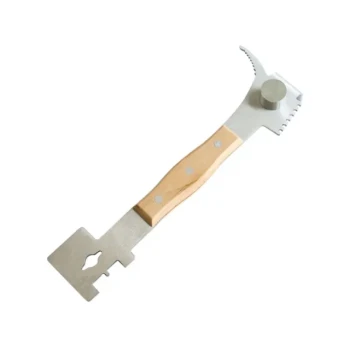
- Hive tools that can be scraped and disinfected between colonies
- Spare tool sets assigned to different apiaries or disease-risk groups
- Stiff brushes and scrapers for removing propolis, wax, and debris before disinfection
- Disposable or washable gloves that can be changed or cleaned between colonies
- Labeled equipment bins for separating clean, used, and suspect components
Smooth, durable, easy-to-clean tools are generally preferable to equipment with cracks, porous surfaces, or difficult-to-reach joints.
Manage frames with strict identification
Frame boxes, transport crates, and hive-component racks should be clearly labeled by apiary and status. Do not place suspect frames into a general clean-equipment stack.
A useful operating system separates equipment into three categories:
- Clean and ready for use
- Used but awaiting cleaning
- Suspect or contaminated and isolated
This simple separation prevents accidental redistribution during busy commercial operations.
Select hardware that controls moisture
Useful hive hardware includes:
- Screened bottom boards
- Ventilated hive covers
- Elevated hive stands
- Weather-resistant hive bodies
- Tight-fitting covers and components that prevent water penetration
Ventilation should improve airflow without creating excessive drafts or exposing the colony to rain. The objective is a dry, stable brood environment rather than maximum airflow at any cost.
Inspect bottom boards and pollen traps
Bottom boards and pollen traps provide early warning of an active problem. Regularly inspect them for mummified larvae, damp debris, and accumulated material.
Pollen traps require particular care because collected pollen can be contaminated by fungal material. Do not feed pollen back to colonies unless its disease status and handling process are controlled.
A Practical Sanitation Process
Clean before disinfecting
Disinfectants work poorly when applied over wax, propolis, soil, or organic residue. First scrape and brush the equipment, then wash it as appropriate for the material.
Cleaning tools should themselves be cleaned or replaced regularly. Otherwise, the sanitation process simply transfers spores from one component to another.
Sanitize hive tools between colonies
For routine inspections, remove visible residue from the hive tool and apply a suitable disinfection method between colonies. Allow the tool to dry before reuse where the product instructions require it.
Maintaining several tool sets can be more efficient than stopping repeatedly during inspections. Used tools can be placed in a marked container and processed in batches after the field visit.
Treat wooden hive components appropriately
Empty wooden boxes and frames should be cleaned and sanitized using a method suitable for the material and approved for the operation’s location. Heat-based methods, including controlled scorching of appropriate wooden surfaces, may be used by experienced operators where safe and practical.
Scorching must be controlled. Excessive heat can damage wood, create fire hazards, and compromise hive components, so it should not be treated as a substitute for inspection and component replacement.
Replace heavily contaminated comb
Brood comb showing significant chalkbrood contamination should be removed from service. Replacing it with new frames and foundation reduces the spore load inside the brood nest.
Heavily infected comb should not be casually moved, stored beside clean equipment, or returned to another colony. Destruction or disposal should follow local apiary and waste-management requirements.
Disinfect empty hive bodies carefully
Some operations use approved chlorine-based disinfectants or other registered sanitation products for empty hive bodies and compatible equipment. A concentration such as 500 ppm sodium hypochlorite may be specified in some sanitation protocols, but the correct product label, contact time, rinsing requirements, and material compatibility must always govern use.
Do not apply disinfectants directly to bees, honey, brood, or food-contact surfaces unless the product is specifically approved for that use.
Environmental Management Is Part of Sanitation
Keep colonies dry and well ventilated
Chalkbrood is favored by cool, damp conditions. Hive placement, roof design, ventilation hardware, and protection from water intrusion all influence the colony’s disease risk.
Place hives where they receive suitable sunlight and avoid persistent dampness. Correct leaks, improve drainage, and prevent condensation from collecting above the brood area.
Maintain strong colonies
Good sanitation cannot compensate for chronically weak colonies. Strong populations can regulate the brood nest more effectively and remove infected larvae more efficiently.
Persistent chalkbrood may indicate queen problems, weak colony condition, or insufficient hygienic behavior. Requeening with hygienic stock can be considered as part of a broader management plan.
Avoid moving risk between apiaries
Do not transfer frames, boxes, pollen equipment, or other hive components between apiaries unless their sanitation status is known. Apiary-level equipment segregation is particularly important for distributors, commercial beekeepers, and service teams handling many colonies.
A documented equipment-flow system provides greater protection than relying on memory during high-volume work.
Understanding the Trade-offs
Sanitation takes time and inventory
Strict equipment separation requires spare hive tools, additional frames, labeled storage, cleaning stations, and labor. However, these costs are usually easier to control than the disruption caused by recurring disease and contaminated inventory.
For commercial users, standardized kits and ready availability of replacement components can make biosecurity operational rather than theoretical.
Not every component should be treated the same way
Wood, metal, plastic, wax, and electronic inspection equipment have different cleaning and heat tolerances. A method appropriate for a metal hive tool may damage a plastic component or leave unsafe residues on a food-contact surface.
Use product-specific procedures and maintain written instructions for staff.
Chemical sanitation is not a colony cure
Sanitizing empty equipment can reduce environmental contamination, but it does not cure infected larvae or replace sound colony management. There is no dependable chemical treatment that makes poor hygiene, moisture problems, or weak colonies acceptable.
Be cautious with claims about essential oils, thymol, or other products. Such materials should only be used according to locally approved labels and should not be presented as substitutes for sanitation and comb management.
Over-cleaning can create new risks
Improperly rinsed chemicals, excessive heat, and aggressive handling can damage equipment or expose bees and operators to hazards. Sanitation should be effective, repeatable, and safe—not merely intensive.
Making the Right Choice for Your Goal
Choose equipment and procedures according to the scale and risk profile of the operation.
- If your primary focus is apiary biosecurity: Use colony- or apiary-dedicated hive tools, labeled equipment storage, strict frame-transfer controls, and documented cleaning between inspections.
- If your primary focus is reducing recurring outbreaks: Remove heavily contaminated brood comb, replace old comb, improve ventilation, correct moisture problems, and evaluate queen and colony strength.
- If your primary focus is commercial efficiency: Build standardized sanitation kits with cleanable tools, spare components, disinfectant supplies, replacement frames, and clearly defined fulfillment and replenishment procedures.
- If your primary focus is equipment sourcing: Prioritize durable, easy-to-clean hive hardware, screened bottom boards, ventilated covers, elevated stands, and reliable access to replacement hive components.
- If your primary focus is pollen management: Inspect pollen traps frequently, remove contaminated debris, and prevent pollen of uncertain disease status from being fed back to healthy colonies.
A disciplined combination of clean equipment, controlled component movement, dry hive design, and strong colonies gives beekeepers the most reliable defense against chalkbrood transmission.
Summary Table:
| Prevention Aspect | Key Practice | Tools & Equipment |
|---|---|---|
| Equipment Separation | Use dedicated tools per apiary; label bins for clean, used, suspect | Spare tool sets, labeled bins |
| Tool Sanitation | Clean and disinfect between colonies | Sturdy scrapers, brushes, disinfectants |
| Comb Management | Rotate and replace contaminated comb | New frames, foundation |
| Moisture Control | Improve ventilation and drainage | Screened bottom boards, ventilated covers |
| Colony Strength | Maintain strong, hygienic colonies | Queen replacement, proper nutrition |
Protect your apiary from chalkbrood with reliable, easy-to-clean equipment and sanitation supplies. HONESTBEE offers a full spectrum of beekeeping tools, machinery, and consumables designed for efficient biosecurity. From screened bottom boards to durable hive tools and replacement frames, we help commercial apiaries and distributors implement effective disease prevention. Contact us today to discuss your needs and discover how our fast, dependable supply chain keeps your operation running smoothly — get in touch!
Related Products
- Ergonomic Plastic Frame Spacer Tool for Rapid Hive Management Beekeeping
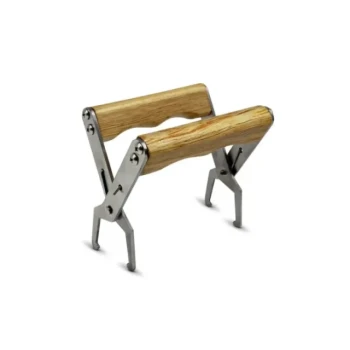
- Multi-Function Plier-Style Frame Grip Hive Tool
- Multi-Function Hive Tool with Integrated Hammer for Beekeeping
- Professional Multi-Function Stainless Steel Hive Tool
- HONESTBEE Professional Long Handled Hive Tool with Precision Cutting Blade
People Also Ask
- What specific challenges do beekeeping hive tools address during hive maintenance? Essential Solutions for Apiaries
- How do specialized beehive management tools support high-purity honey production? Master Monofloral Isolation
- How do specialized beehive management tools assist in the routine maintenance of bee colonies? Boost Hive Efficiency
- How do spring inspections for honeybee starvation symptoms guide apiary management? Optimize Colony Survival & Growth
- How do traditional harvesting tools like axes and machetes negatively affect bee colonies? Upgrade to Professional Gear