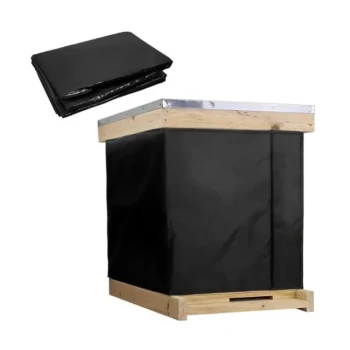
High environmental temperatures act as a critical biophysical stressor that directly weakens the Varroa mite's hold on honeybees. When ambient temperatures rise between 35°C and 38°C, the physiological activity of the mites is disrupted, compromising their ability to attach effectively to their hosts. Consequently, the mites fall off the bees at significantly higher rates, functioning as a natural physical intervention that reduces the overall parasite load on the colony.
Thermal stress functions as a passive defense mechanism by physically inhibiting the mite's reproductive cycle and attachment capabilities. When combined with internal hive barriers, this environmental factor creates a significant hurdle for Varroa population growth.
The Biophysical Mechanics of Heat
Disrupting Physiological Activity
The temperature range of 35°C to 38°C acts as a specific intervention threshold. Within this window, the mites' internal biological processes are interfered with, rendering them less vigorous and physically capable.
Failure of Attachment
The primary physical outcome of this thermal stress is a specific loss of grip. The mites lose the ability to maintain their latch on the host bee, causing them to dislodge.
Synergy with Physical Barriers
Heat causes the mites to fall, but the hive structure determines the final outcome. The efficiency of this natural control is significantly enhanced when used in conjunction with physical barriers inside the beehive, ensuring dislodged mites cannot re-attach.
The Role of Data in Diagnosis
Distinguishing Environment from Genetics
It is vital to recognize that Varroa reproductive success is highly dependent on external conditions. A low mite count may be the result of a hot season rather than a genetically superior colony.
Isolating Hygienic Behavior
Technicians must record climatic factors to accurately judge colony performance. By analyzing climate data, you can distinguish between true genetic resistance (hygienic cleaning behavior) and simple physical inhibition caused by the environment.
Comparing Infestation Levels
Data-driven decisions require context. Comparing infestation rates across different seasons helps identify whether a drop in mite population is a trend in colony defense or a temporary result of a heatwave.
Understanding the Trade-offs
The Reliability of Passive Control
While heat assists in control, it is an external factor beyond the beekeeper's direct command. Relying solely on environmental temperature is risky, as infestation levels can rebound quickly when temperatures drop below the 35°C threshold.
The Risk of Breeding Errors
The most significant pitfall is misinterpreting data. If you select breeding stock based on low mite counts without accounting for temperature spikes, you may propagate genetics that lack true resistance.
Making the Right Choice for Your Goal
- If your primary focus is Commercial Pest Control: Install physical barriers (such as screen floors) to capitalize on natural mite drop during high-temperature periods (35°C-38°C).
- If your primary focus is Genetic Breeding: Rigorously cross-reference mite infestation levels with recorded climate data to ensure you are selecting for hygienic behavior rather than environmental luck.
By understanding the biophysical impact of heat, you transform weather data from a passive statistic into an active tool for precise colony management.
Summary Table:
| Factor | Thermal Threshold (35°C-38°C) | Impact on Varroa Mites | Operational Benefit |
|---|---|---|---|
| Physiology | High Heat Stress | Disrupted biological activity | Weakens mite vigor and movement |
| Physicality | Attachment Failure | Inability to grip host bee | Increased natural mite drop rate |
| Infrastructure | Internal Barriers | Prevents mite re-attachment | Enhanced efficiency of screen floors |
| Data Analysis | Climate Correlation | Distinguishes genetics vs. environment | Improved accuracy in breeding selection |
Maximize Your Colony Health with HONESTBEE
Are you looking to scale your commercial apiary operations or expand your distribution of professional beekeeping supplies? HONESTBEE is your strategic partner in the beekeeping industry.
We provide a comprehensive wholesale portfolio designed for large-scale success, including:
- Advanced Machinery: Hive-making and honey-filling machines for high-volume production.
- Specialized Equipment: Precision-engineered honey extractors, commercial tools, and protective gear.
- Industry Consumables: Essential supplies to maintain healthy, productive colonies year-round.
- Cultural Merchandise: Unique honey-themed retail products to diversify your brand.
Whether you need robust physical barriers to capitalize on natural Varroa control or professional-grade equipment to streamline your honey processing, we deliver the quality and volume you require.
Ready to elevate your beekeeping business? Contact us today to discuss your wholesale needs!
References
- H. Alfallah. New Phenomenon for Natural Control of Varroa Destructor in Honey Bee Colonies A. Mellifera L. in Libya. DOI: 10.20431/2454-6224.0305003
This article is also based on technical information from HonestBee Knowledge Base .
Related Products
- Durable 12V Oxalic Acid Vaporizer for Varroa Mite Treatment Beehive Beekeeping Tool
- Oxalic Acid Vaporizer 12V for Bee Varroa Mite Treatment
- Adjustable Formic and Acetic Acid Dispenser for Bee Mite Treatment
- Heavy Duty 12V Oxalic Acid Evaporator Vaporizer for Bee Varroa Mite Treatment Beekeeping Fumigator Atomizer
- Compact Circular Bee Mite Treatment Dispenser
People Also Ask
- What are the technical advantages of using professional Sublimators? Maximize Mite Control with Precision Vaporizers
- What is the minimum temperature for oxalic acid vaporization? Optimize Winter Mite Control at 37°F
- What is the recommended procedure for inserting and activating a vaporizer in a beehive? Master Hive Treatment Success
- What factors determine how often to treat for varroa mites with oxalic acid? Time Your Treatment for Maximum Efficacy
- What is the overall goal of using oxalic acid in late fall for beekeepers? Maximize Winter Survival with a Broodless Treatment