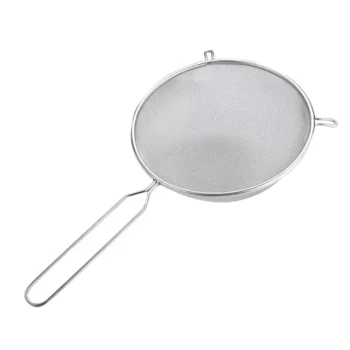
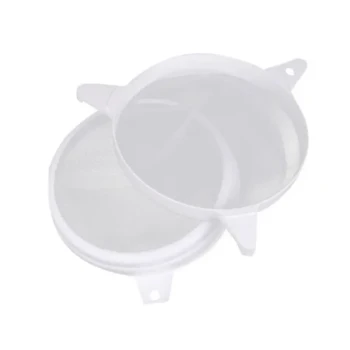
High-precision honey filtering equipment maintains organic attributes by strictly utilizing physical purification methods that decouple cleaning from heating. By employing specific pore sizes, this machinery removes external contaminants like wax and bee fragments without subjecting the honey to the high temperatures that degrade enzymes. This process ensures the retention of essential pollen and bioactive nutrients while achieving the visual clarity required by the commercial market.
The critical advantage of high-precision filtration is its ability to purify honey without sterilizing it. It solves the "clarity vs. vitality" paradox by removing physical debris while preserving the enzymatic activity and flavor profile that define true organic honey.
The Mechanics of Nutrient Preservation
Eliminating Thermal Damage
Standard processing often relies on high heat to reduce viscosity, which destroys sensitive enzymes. High-precision equipment is designed to operate effectively without excessive heat treatment. This prevents the degradation of flavor compounds and ensures the honey retains its natural nutritional characteristics.
Selective Particle Retention
The equipment uses filtration media with precisely controlled pore sizes. This allows the machine to differentiate between unwanted debris (wax residue, larval remains) and desirable solids. Crucially, this permits the passage of natural pollen grains, a vital component for organic certification and nutritional value.
Preserving Bioactive Stability
By avoiding thermal stress and ultra-filtration, the equipment protects the honey's chemical structure. This ensures that biochemical indicators, such as Hydroxymethylfurfural (HMF) levels, remain within the optimal ranges required for high-end market acceptance.
Enhancing Physical Quality and Safety
Controlling Crystallization
Impurities in raw honey often act as nucleation points that trigger rapid or uneven hardening. High-precision filtration removes these suspended particles immediately after harvest. This stabilizes the liquid state and prevents abnormal crystallization, ensuring a consistent texture for consumers.
Ensuring Material Purity
Industrial-grade equipment is manufactured from food-grade stainless steel to create a corrosion-free environment. This prevents heavy metals or external metal impurities from migrating into the product. A precision closed-loop system further guarantees that the honey remains isolated from environmental contaminants throughout the process.
Strict Batch Isolation
For organic honey, avoiding cross-contamination is as important as the filtration itself. Advanced filling and filtration lines facilitate strict physical isolation and batch tracking. This is critical for meeting "zero-residue" standards and ensuring no unauthorized genetically modified (GMO) pollen enters an organic batch.
Understanding the Trade-offs
Throughput vs. Precision
While high-precision filtration guarantees quality, it often operates at a different pace than bulk, low-grade processing. The finer the filtration intended to save pollen while stopping debris, the more carefully the flow rate must be managed to prevent clogging or pressure buildup that could damage the equipment.
Operational Complexity
Maintaining a "zero-residue" standard requires rigorous maintenance. The equipment relies on automated cleaning and strict adherence to hygiene protocols to prevent cross-contamination between batches. Neglecting the maintenance of these stainless steel systems can compromise the very purity the equipment is designed to protect.
Making the Right Choice for Your Goal
To select the right filtration strategy, align the equipment's capabilities with your specific market objectives:
- If your primary focus is Organic Certification: Prioritize equipment with strict batch isolation and heavy metal prevention to meet zero-residue and non-GMO mandates.
- If your primary focus is Retail Shelf Appeal: Focus on filtration systems that emphasize clarity and the removal of crystallization triggers (nucleation points).
- If your primary focus is Nutritional Value: Ensure the equipment specifications explicitly mention "low-heat" operation and pollen-permeable pore sizing to preserve enzymatic activity.
High-precision filtration is not just about cleaning honey; it is about engineering a process that respects the biological complexity of the raw ingredient.
Summary Table:
| Feature | Standard Filtration | High-Precision Filtration |
|---|---|---|
| Temperature Control | Often high heat (damages enzymes) | Low-heat physical purification |
| Pollen Retention | Often removed (ultra-filtration) | Selective retention of natural pollen |
| Particle Removal | Bulk debris only | Precise removal of wax & nucleation points |
| Chemical Stability | Risk of elevated HMF levels | Maintains bioactive stability & HMF levels |
| Material Safety | Basic food-grade | Corrosion-free 304/316 Stainless Steel |
| Crystallization | Uncontrolled/Rapid | Stabilized texture & controlled consistency |
Elevate Your Honey Production with HONESTBEE
At HONESTBEE, we understand that commercial apiaries and distributors require equipment that balances high-efficiency output with the delicate preservation of organic honey attributes. From honey-filling machines to advanced high-precision filtration systems, our comprehensive wholesale catalog provides the tools you need to meet the world’s strictest organic standards.
Ready to upgrade your processing line and protect your honey's nutritional profile? Contact us today to discover our specialized hardware and tailored solutions for the modern beekeeping industry.
References
- Melike Kübra Ekiz Bozdemir, Selen AVCI. Regional Analysis of Organic Agriculture, Husbandry, and Beekeeping Efficiency in Türkiye. DOI: 10.15832/ankutbd.1521005
This article is also based on technical information from HonestBee Knowledge Base .
Related Products
- Commercial Rotary Honey Filling Machine for Production
- Electric Double Wall Honey Filtering Machine Purifier Equipment for Honey Processing Plant
- Professional Stainless Steel Honey Filtering Machine with Water Bath Heating for Beekeeping
- Professional Stainless Steel Honey Filter with Support Handle
- 0.5T Capacity Honey Dehumidifier Dryer with Vacuum Heating and Thickening Filtering Machine
People Also Ask
- What role do commercial honey filling machines play in honey distribution? Scaling Efficiency and Quality Control
- What technical support do commercial-grade filling machines provide? Convert Honey NTFPs into Marketable Commodities
- What is the significance of specialized honey filling equipment? Scaling from Beekeeping to Commercial Success
- Why is professional honey filling machinery critical for honey production? Scale Your Apiary's Profit & Efficiency
- Why is high-capacity honey filling machinery necessary for Giant Honey Bees? Solve the Apis dorsata Volume Crisis