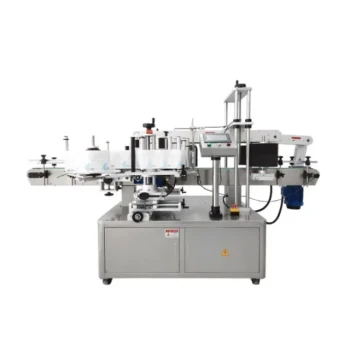
High-precision spraying equipment maximizes treatment effectiveness by atomizing the oxalic acid solution into microscopic droplets, rather than large streams of liquid. This fine mist ensures the solution coats the entire bee cluster uniformly, allowing the chemical to reach mites hiding throughout the colony. By achieving this level of coverage, the equipment leverages the contact-killing nature of the acid to eliminate Varroa mites while preventing dangerous pools of chemicals that could harm individual bees.
Core Insight: The effectiveness of oxalic acid relies entirely on contact; high-precision atomization transforms the solution into a pervasive mist that exposes phoretic mites to the treatment without subjecting bees to toxic levels of localized saturation.
The Mechanics of Precision Application
Atomization into Microscopic Droplets
The primary advantage of high-precision equipment is its ability to fracture liquid into microscopic droplets. Unlike crude application methods, which may dispense uneven amounts of fluid, this equipment creates a consistent mist. This allows the treatment to penetrate the complex structure of the bee cluster rather than simply resting on the surface.
Achieving Uniform Coverage
For oxalic acid to function, it must physically touch the pest. The fine mist ensures uniform coverage across the physical bodies of the bees within the cluster. This eliminates untreated "safe zones" where mites could otherwise survive the winter treatment.
The Contact-Killing Mechanism
Oxalic acid is not a systemic poison; it works through direct contact. By coating the bees evenly, the equipment ensures that phoretic mites—those attached to the outside of adult bees—are exposed to the lethal agent. This interaction is the driver behind the high clearance rates observed in well-managed colonies.
Context: The Broodless Window
Utilizing the Dormant State
This equipment is most effective when used during the broodless period, typically occurring in December. During this window, the queen has stopped laying eggs, meaning no mites are protected inside sealed brood cells.
Targeting Phoretic Mites
Because all mites are currently "phoretic" (exposed on adult bees), a single, well-distributed treatment can provide a comprehensive cleaning. This timing allows the colony to enter the spring season with a significantly lower parasite load, supporting rapid population growth.
Understanding the Trade-offs
Avoiding Localized Over-Accumulation
A major risk in chemical treatments is consistency. Without high-precision atomization, liquid can pool on specific bees, leading to localized over-accumulation. This creates "hot spots" of toxicity that can harm or kill individual bees, even if the total dose for the colony is correct.
Balancing Concentration and Safety
Research indicates that higher concentrations (specifically 4.2%) offer the highest stability and kill rates (approx. 89.57%). However, applying high concentrations with low-precision tools is risky. High-precision equipment allows beekeepers to safely use these potent concentrations by distributing the active ingredient so thinly that it kills mites without overwhelming the bees' biology.
Making the Right Choice for Your Goal
To maximize the health of your apiary during the winter dormant phase, consider your specific objectives:
- If your primary focus is maximizing mite mortality: Utilize high-precision equipment with a 4.2% concentration during the broodless window to achieve near-90% clearance rates.
- If your primary focus is colony safety: Rely on the atomization capability of your equipment to prevent chemical pooling and reduce the risk of bee toxicity.
Precision application turns a generic chemical treatment into a targeted, safe, and highly effective intervention for long-term colony survival.
Summary Table:
| Feature | High-Precision Spraying | Traditional Liquid Application |
|---|---|---|
| Application Method | Microscopic atomized mist | Large liquid streams/drops |
| Coverage Quality | Uniform coating of the bee cluster | Uneven distribution/pooling |
| Mite Exposure | Maximized through pervasive contact | Limited to surface-level contact |
| Bee Safety | Prevents localized toxicity "hot spots" | Risk of chemical over-saturation |
| Target Stage | Phoretic mites in broodless window | General mite population |
| Kill Rate (4.2%) | Approximately 89.57% | Variable/Inconsistent |
Scale Your Apiary Success with HONESTBEE
Maximize your winter treatment efficiency and colony survival rates with professional-grade solutions from HONESTBEE. As a premier partner for commercial apiaries and distributors, we provide the specialized machinery and high-precision tools required to maintain healthy, productive colonies.
Our Value to Your Business:
- Comprehensive Wholesale Range: From precision spraying and honey-filling machines to industrial hive-making equipment.
- Industry Expertise: We supply the full spectrum of beekeeping hardware and essential consumables tailored for large-scale operations.
- Growth Support: Enhance your portfolio with our honey-themed cultural merchandise and durable field equipment.
Ready to elevate your beekeeping standards? Contact us today to explore our wholesale offerings and secure the equipment your business needs to thrive.
References
- Stefan Bogdanov, Peter Fluri. Determination of residues in honey after treatmentswith formic and oxalic acid under field conditions. DOI: 10.1051/apido:2002029
This article is also based on technical information from HonestBee Knowledge Base .
Related Products
- Commercial Rotary Honey Filling Machine for Production
- Precision Durable Efficient HONESTBEE Rotary Honey Filling Machine
- Premium Diamond-Faceted Glass Honey Dispenser
- Heavy-Duty Ergonomic Grip Galvanized Pollen Shovel
- High-Efficiency Pneumatic Bee Hive Making Machine for Rapid Box Assembly
People Also Ask
- What role do commercial honey filling machines play in honey distribution? Scaling Efficiency and Quality Control
- What technical support do commercial-grade filling machines provide? Convert Honey NTFPs into Marketable Commodities
- What is the significance of specialized honey filling equipment? Scaling from Beekeeping to Commercial Success
- Why is professional honey filling machinery critical for honey production? Scale Your Apiary's Profit & Efficiency
- Why is high-capacity honey filling machinery necessary for Giant Honey Bees? Solve the Apis dorsata Volume Crisis