Integrated Pest Management (IPM) applies to apiary health by combining prevention, monitoring, and targeted intervention rather than relying on routine chemical treatments. Beekeepers inspect colonies regularly, measure pest and disease pressure, and act only when populations reach an appropriate threshold. Essential equipment—including hive tools, protective clothing, inspection-ready hive components, screened bottom boards, traps, and monitoring boards—turns this strategy into a practical operating system for colony care.
IPM is a decision-making process, not a single product. Healthy apiaries use equipment to inspect efficiently, detect problems early, apply non-chemical controls first, and reserve treatments for situations where monitoring shows they are necessary.
How IPM Protects Apiary Health
Prevention Starts With Hive Awareness
Prevention begins with understanding the colony’s condition, seasonal risks, and surrounding environment. Regular inspections help beekeepers identify weak colonies, damaged hive components, poor ventilation, pest entry points, and early signs of brood disorders.
Well-maintained hive bodies and accessible frame layouts make inspections faster and less disruptive. This matters because repeated, unnecessarily invasive inspections can stress colonies and interfere with normal activity.
Monitoring Converts Concern Into Evidence
Monitoring provides the information needed to distinguish a potential problem from an infestation requiring action. Beekeepers should examine brood, adult bees, comb, hive debris, and entrances for signs of Varroa mites, wax moths, small hive beetles, and brood diseases.
Mite-drop boards, screened bottom boards, and parasite-counting tools support more quantitative monitoring. The resulting data helps apiary managers make treatment decisions based on observed pest pressure rather than guesswork.
Intervention Should Follow an Action Threshold
IPM does not mean avoiding all treatments. It means applying an intervention when monitoring indicates that pest or disease levels threaten colony health, productivity, or survival.
The appropriate threshold depends on the pest, season, colony condition, and applicable beekeeping guidance. When intervention is needed, non-chemical, biological, and lower-impact options should be considered before chemical controls where practical.
Equipment That Makes IPM Practical
Hive Tools and Protective Equipment
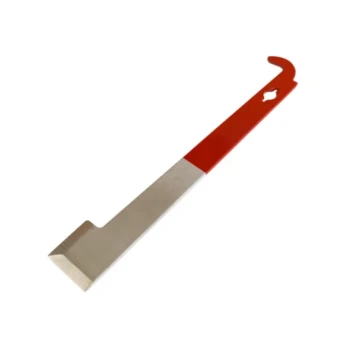
A hive tool is fundamental for separating frames, removing propolis, inspecting brood, and accessing areas where pests may be hiding. Protective clothing, gloves, and a veil allow beekeepers to perform thorough inspections safely and consistently.
For commercial apiaries, durability and availability are operational priorities. Standardized tools and replacement protective gear reduce delays when multiple colonies require inspection.
Modular Hive Bodies and Frame Access
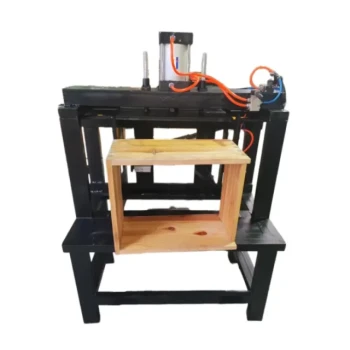
Modular hive bodies allow beekeepers to remove, replace, or rearrange components during inspections and pest-management operations. Easy access to brood frames is especially important when looking for abnormal brood patterns, wax moth damage, or other early warning signs.
Hive components should be maintained so that inspections do not require excessive force or cause avoidable colony disturbance. For distributors and resellers, a compatible product portfolio of hive bodies, frames, foundations, and replacement parts supports one-stop procurement.
Screened Bottom Boards and Mite Boards
Screened bottom boards can assist with ventilation and provide a platform for monitoring natural mite fall when used with a removable monitoring board. This allows beekeepers to estimate pest pressure without repeatedly opening the colony.
These components support both observation and, in some management systems, limited non-chemical mite control. They are most valuable when paired with consistent inspection procedures and accurate recordkeeping.
Drone Comb Frames
Varroa mites prefer drone brood in many colony conditions. Drone comb frames can therefore serve as a targeted biological or mechanical control: capped drone brood is removed before mites complete their cycle and the comb is then managed according to the apiary’s operating procedure.
This method requires timing and regular follow-through. It should complement, rather than replace, monitoring of mite levels.
Hive Beetle Traps and Physical Barriers
Hive beetle traps provide a localized mechanical control option for small hive beetles. Pest vacuums may also be useful in appropriate commercial or intensive-management settings for physically removing visible pests.
Metal entrance guards help block mice and larger intruders while preserving hive access and ventilation. Elevated hive stands, particularly in dry and sunny positions, can also support site-level pest management, although they do not eliminate the need for inspections.
Fresh Foundation and Comb Management
Old comb can accumulate pest larvae, debris, and chemical residues over time. A planned replacement program using fresh foundation—often on a multi-year rotation—helps maintain cleaner comb and reduces the number of places where pests can develop.
Comb replacement should be integrated with broader hive hygiene and storage procedures. It is not a substitute for monitoring active infestations.
Freezer Storage for Honey Supers
Empty honey supers can be placed in cold storage before long-term storage to kill wax moth larvae and pupae without relying on pesticides. This is a practical physical control for equipment that is not currently occupied by bees.
Freezer capacity, packaging, and inventory handling should be planned in advance. Commercial apiaries may need a clear rotation system to prevent treated or stored supers from being confused with colony-ready equipment.
How IPM Controls Chemical Reliance
Use Physical and Biological Controls First
Mechanical and physical controls are often the first active defense after prevention and monitoring. These may include screened boards, traps, drone-comb removal, freezer storage, comb replacement, and improved hive-site management.
Biological options may also be appropriate in specific circumstances. Examples referenced in IPM programs include beneficial nematodes and Bacillus thuringiensis, but their suitability depends on the pest, application method, local conditions, and product directions.
Apply Treatments Precisely
When non-chemical measures are insufficient, treatments should be selected and applied according to the target pest, colony condition, label requirements, and applicable regulations. Organic acids, essential oils, and plant-derived products are not automatically risk-free; incorrect concentration, timing, or placement can harm bees and brood.
Treatment records should include the product, date, colony, reason for use, and observed result. This makes future decisions more consistent and helps prevent unnecessary repeat applications.
Rotate Treatment Classes Responsibly
Repeated use of the same chemical class can contribute to pest resistance. Rotating treatment classes when chemical control is necessary helps preserve long-term efficacy, provided the rotation follows approved guidance and does not conflict with label restrictions.
The objective is not simply to use fewer chemicals. It is to use the right control, at the right time, for the measured problem.
Understanding the Trade-offs
Monitoring Requires Time and Discipline
IPM depends on regular inspections, accurate counts, and reliable records. A mite board or trap has limited value if it is never checked, inconsistently positioned, or interpreted without considering colony and seasonal conditions.
Commercial operators should standardize inspection schedules, reporting forms, and equipment kits across teams. This turns IPM from an individual habit into a repeatable operating process.
Equipment Does Not Replace Judgment
No single component controls every pest. A screened bottom board can support monitoring, but it does not by itself manage a serious mite infestation; a beetle trap can reduce pests, but it cannot correct a severely weakened colony.
Equipment must be matched to the pest, the colony’s strength, and the intended management objective. Product selection should therefore be supported by technical guidance, compatibility information, and responsive customer service.
Treatments Can Create New Risks
Even lower-impact or organically derived treatments can damage bees when misused. Chemical residues, brood exposure, honey contamination, and resistance are all potential consequences of poorly planned intervention.
IPM reduces these risks through monitoring and targeted use, but it does not remove the need for careful application and compliance with local requirements.
Supply Reliability Affects Colony Care
Delays in obtaining frames, foundation, hive tools, monitoring boards, or protective equipment can postpone inspections and interventions. For distributors, wholesalers, and B2B resellers, reliable inventory and rapid fulfillment are therefore part of the practical value of an IPM product portfolio.
A dependable supplier should offer broad product coverage, fast response times, clear technical support, and efficient order fulfillment across routine and seasonal demand.
How to Apply IPM to an Apiary Program
An effective program connects inspection procedures, equipment, records, and intervention decisions into one repeatable workflow.
- If your primary focus is colony health: Establish regular inspections using hive tools, protective equipment, accessible hive bodies, and monitoring boards so emerging problems are detected before they become severe.
- If your primary focus is minimizing chemical use: Prioritize screened bottom boards, drone comb, beetle traps, physical barriers, comb rotation, freezer storage, and other mechanical or physical controls before selecting treatments.
- If your primary focus is commercial efficiency: Standardize hive components and inspection kits across apiaries, maintain dependable stock, and work with suppliers that provide broad sourcing capability and fast, technically informed fulfillment.
- If your primary focus is long-term pest control: Keep treatment and inspection records, act at defined thresholds, and rotate approved treatment classes when chemical intervention is required.
A well-designed IPM program gives beekeepers the evidence, equipment, and workflow needed to protect colonies while maintaining efficient and responsible apiary operations.
Summary Table:
| IPM Component | Equipment Needed | Purpose |
|---|---|---|
| Prevention | Hive tools, protective clothing, modular hive bodies | Inspect and maintain colonies to reduce stress and early pest entry |
| Monitoring | Screened bottom boards, mite boards, traps, monitoring boards | Quantify pest pressure and make informed decisions |
| Intervention (non-chemical) | Drone comb frames, hive beetle traps, freezer storage, fresh foundation | Physically or biologically control pests before chemicals |
| Targeted treatment | Treatment records, approved products | Apply chemicals only when thresholds are exceeded |
Looking to equip your apiary with the right IPM tools? HONESTBEE offers a comprehensive range of beekeeping equipment and supplies, including monitoring boards, traps, hive components, and protective gear. As a trusted wholesale supplier, we provide one-stop sourcing, rapid delivery, and expert support to help you implement effective IPM strategies. Whether you are a commercial beekeeper or a distributor, we tailor solutions to your needs. Contact us today to learn how we can enhance your apiary health and operational efficiency!
Related Products
- Stainless Steel J Hook Hive Tool for Beekeeping
- HONESTBEE 15-in-1 Beekeeper Multi-Tool with Hammer and Pliers for Beekeeping
- HONESTBEE Classic Pry Bar Hive Tool with High Visibility Finish for Beekeeping
- Multi-Function Plier-Style Frame Grip Hive Tool
- Stainless Steel Queen Grafting Tool for Beekeeping and Bee Queen Grafting
People Also Ask
- What specific challenges do beekeeping hive tools address during hive maintenance? Essential Solutions for Apiaries
- What is a J-hook hive tool and why is it favored by some beekeepers? Master Gentle Frame Handling
- What are the features of a J-hook hive tool? Effortlessly Lift Frames with Superior Leverage
- What is the purpose of the J-hook hive tool? Effortlessly Lift Frames with Superior Leverage
- How is a J-hook hive tool designed and what is its primary use? Master Effortless Hive Inspections