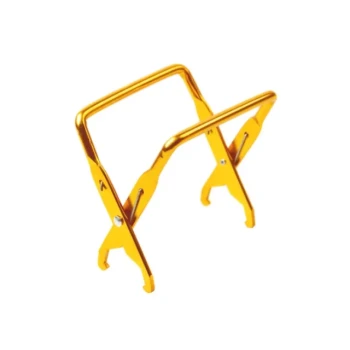
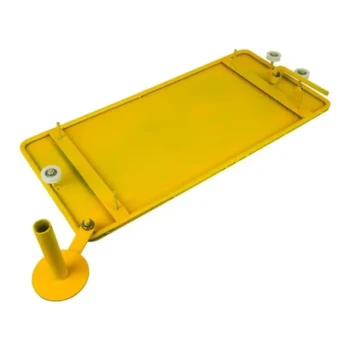
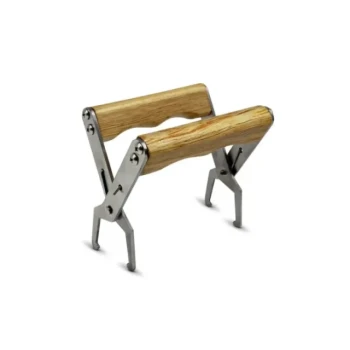
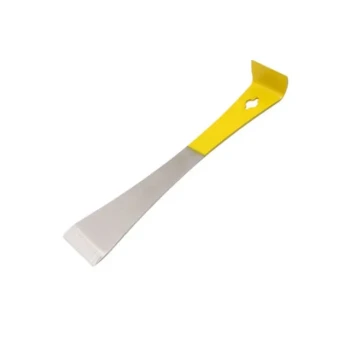
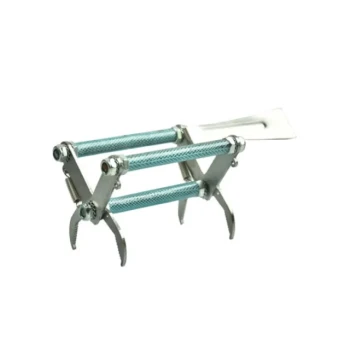
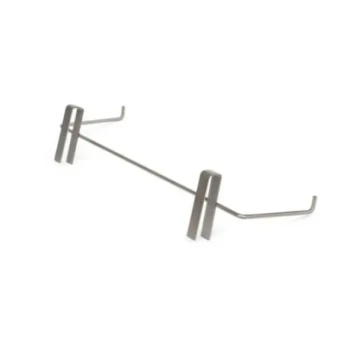
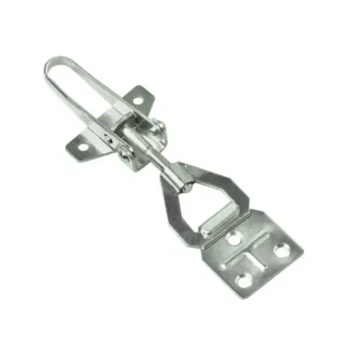
Migratory beekeeping relies on specialized logistics equipment to synchronize hive locations with nature's rhythm. By utilizing specialized transport frames and trailers to move hives across diverse terrains, beekeepers ensure colonies constantly follow flowering cycles, directly boosting honey production and crop pollination rates.
Mobility is the key to maximizing both hive health and agricultural output. By utilizing specialized equipment to chase peak bloom, operations eliminate downtime, extending the harvest season and ensuring high-efficiency pollination.
The Mechanics of Seasonal Mobility
Specialized Transport Infrastructure
Efficiency begins with the hardware used to move colonies. Specialized transport frames and trailers transform static apiaries into mobile units capable of traversing rugged environments.
This equipment is designed to securely transport hives across vastly different landscapes. Whether navigating deserts, mountains, or farmlands, the gear ensures the hives remain intact and ready for immediate deployment.
Aligning with Flowering Cycles
The core function of this equipment is to grant flexibility in location. Rather than being limited to the bloom window of a single geographic area, beekeepers can relocate hives based on specific flowering cycles.
This prevents the colony from experiencing nectar dearths. By physically moving the operation to where the bloom is active, the equipment bridges the gap between seasons in different microclimates.
Driving Production Metrics
Extending the Harvest Window
Continuous mobility directly impacts the volume of honey produced. By ensuring bees have uninterrupted access to abundant nectar sources, the equipment effectively extends the duration of the honey harvesting season.
A stationary hive is productive only when local flora is in bloom. In contrast, migratory equipment allows the harvest to continue as long as the transport units can reach new nectar sources.
Optimizing Pollination Paths
Beyond honey, this equipment maximizes service to agriculture. It allows operators to design and execute optimized pollination paths through various crop regions.
This targeted mobility places bees exactly where they are needed most for crop fertilization. The result is a dual benefit: enhanced pollination efficiency for farmers and sustained resource availability for the bees.
Understanding the Trade-offs
Navigating Diverse Terrains
While the equipment enables access to deserts and mountains, utilizing it introduces logistical variation. Operating across such varied landscapes requires equipment that is robust enough to handle shifting environmental conditions without damaging the hives.
Dependency on Timing
The efficiency of migratory equipment is strictly tied to the accuracy of the schedule. Because the goal is to match flowering cycles, the equipment must be reliable enough to execute moves within tight biological windows.
Making the Right Choice for Your Goal
To leverage migratory equipment effectively, you must align your logistical strategy with your production targets.
- If your primary focus is maximizing honey yield: Prioritize transport frames that are rugged enough to reach remote, nectar-rich environments like mountains or deserts to extend your harvest season.
- If your primary focus is commercial pollination: Focus on trailer systems that allow for rapid relocation between farmlands to optimize your service paths across different crop cycles.
Ultimately, the right migratory equipment turns geographical challenges into production opportunities, ensuring your hives never miss a bloom.
Summary Table:
| Equipment Type | Primary Function | Core Benefit to Efficiency |
|---|---|---|
| Transport Frames | Secure hive stabilization during transit | Reduces hive damage while navigating rugged terrains |
| Mobile Trailers | Rapid relocation between apiary sites | Minimizes downtime between nectar flows or crop cycles |
| Logistics Infrastructure | Bridges geographical nectar gaps | Extends the harvest window by following peak blooms |
| Specialized Hardware | Supports deployment in diverse climates | Ensures colony health in deserts, mountains, and farmlands |
Scale Your Apiary Operations with HONESTBEE
At HONESTBEE, we specialize in empowering commercial apiaries and distributors with the high-performance tools needed for large-scale success. Whether you are navigating seasonal relocations or optimizing a honey-packing facility, our comprehensive wholesale portfolio has you covered.
Why partner with us?
- Industrial Strength: From specialized hive-making machinery to precision honey-filling systems.
- Total Solutions: A full spectrum of beekeeping tools, durable hardware, and essential industry consumables.
- Global Reach: Cultural merchandise and specialized equipment designed to meet the demands of a global market.
Ready to transform your production efficiency and eliminate downtime? Contact us today to discuss your wholesale needs and let HONESTBEE provide the equipment that keeps your business moving.
References
- R.Jamolov B.Abduvaliyev Z.Ma'murova. DEVELOPMENT OF BEEKEEPING IN UZBEKISTAN AND ITS SIGNIFICANCE. DOI: 10.5281/zenodo.7398822
This article is also based on technical information from HonestBee Knowledge Base .
Related Products
- Wooden Bee Hive Frames for Beekeeping and Wholesale
- Plastic Transporting Bee Packages and Nuc Boxes for Beekeeping
- Durable Galvanized Steel Frame Grip
- Lightweight Aluminum Frame Grip
- Ergonomic Plastic Frame Spacer Tool for Rapid Hive Management Beekeeping
People Also Ask
- How does balancing the number of frames impact hive productivity? Optimize Your Apiary's Biological Output
- How do wooden and plastic hive frames compare in terms of durability? Wood vs. Plastic Longevity & Repairability
- What are the main considerations when choosing between wooden and plastic bee hive frames? Optimize Your Apiary's Efficiency
- How should beehive frames be maintained to prolong their lifespan? 5 Pro Tips for Durable Beekeeping Equipment
- What are frames and combs used for in beekeeping? The Foundation of Modern Hive Management