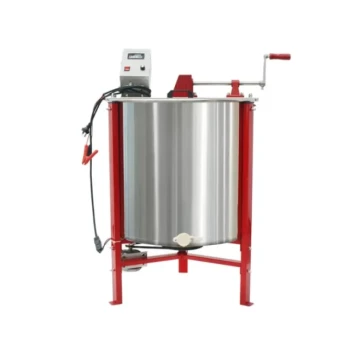
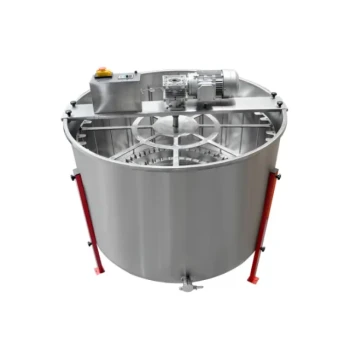
Modern beekeeping machinery fundamentally transforms honey quality by replacing destructive manual pressure with precise centrifugal force. Unlike traditional squeezing, which crushes the honeycomb and introduces contaminants, centrifugal extractors spin honey out cleanly, preserving its natural clarity, flavor profile, and enzymatic activity.
Core Takeaway By eliminating the physical crushing of honeycombs, modern extractors prevent the mixing of wax, larvae, and pollen into the final product. This mechanical precision ensures the honey retains its bioactive ingredients and meets strict international food safety standards that manual methods often fail to achieve.
The Mechanics of Purity
Eliminating Physical Contamination
Traditional manual squeezing inevitably crushes the entire honeycomb structure. This forces wax debris, pollen clumps, and sometimes even larvae fluids to mix directly with the honey.
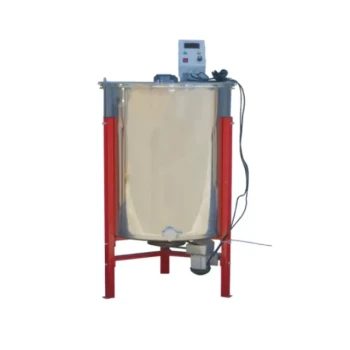
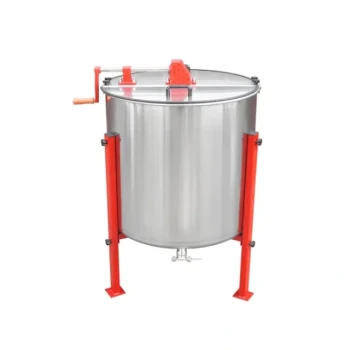
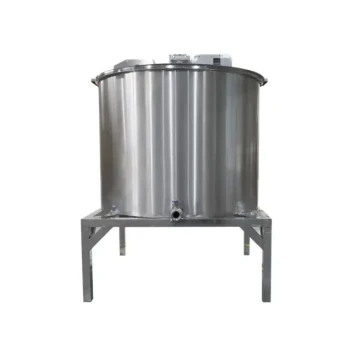
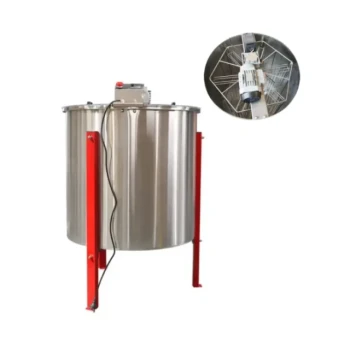
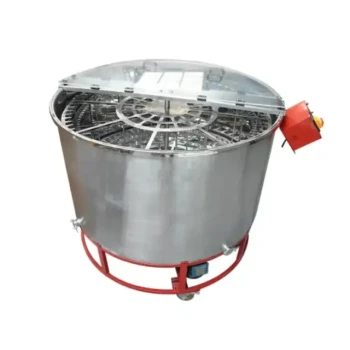
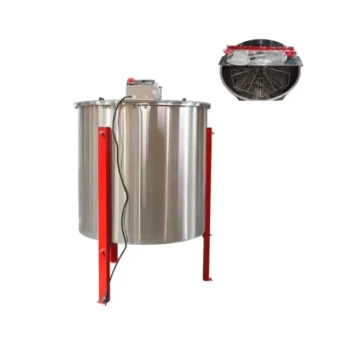
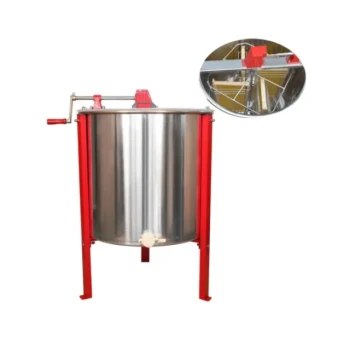
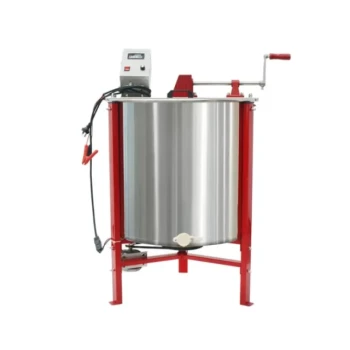
Centrifugal extractors avoid this by using high-speed rotation to pull only the liquid honey from the cells. This mechanical separation significantly reduces the content of insoluble substances. The result is a product with superior clarity that requires less aggressive filtering.
Preventing Secondary Contamination
Manual handling involves significant contact with human hands and open air, increasing the risk of bacterial introduction.
Modern machinery utilizes standardized, often enclosed systems that minimize human contact. This sterile approach protects the honey from external pathogens, ensuring it meets strict hygiene requirements for market access.
Preserving Chemical Integrity
Protecting Heat-Sensitive Enzymes
Traditional processing sometimes relies on heat to lower viscosity, or results in friction heat during aggressive squeezing. Thermal exposure denatures delicate enzymes and alters the honey's natural color.
Centrifugal extraction is a "cold" process. It effectively separates honey without thermal damage, maximizing the retention of natural active ingredients like antioxidants. This preserves the honey's nutritional profile and prevents the darkening associated with heat.
Maintaining Flavor Profiles
The crushing method often releases bitter compounds from pollen pots or propolis into the honey, masking its floral notes.
By leaving the wax structure and pollen pots intact, machinery ensures that only the nectar-based honey is harvested. This isolation allows the distinct, delicate flavor profile of the specific floral source to shine through without interference from other hive products.
Operational Impact on Quality
Reducing Fermentation Risk
Honey harvested via squeezing often has higher exposure to moisture and trapped air, creating an environment ripe for fermentation.
Modern processing lines often include dehydration equipment that rapidly stabilizes moisture content below 18 percent. This control is critical for extending shelf life and ensuring the product remains stable during storage and export.
The Cycle of Reusability
While not a direct "ingredient" improvement, the preservation of the honeycomb improves long-term consistency.
Because the centrifugal process does not destroy the comb, frames can be returned to the hive. Bees spend their energy gathering nectar rather than secreting new wax. This leads to a faster turnover and a more consistent annual production cycle.
Understanding the Trade-offs
Capital and Complexity
While quality improves, the shift to machinery requires significant upfront investment compared to low-cost manual tools. It also introduces a maintenance burden; equipment must be meticulously cleaned and sanitized to prevent cross-batch contamination.
The "Raw" Perception
Some niche markets prefer "pressed" honey specifically for the high pollen content that machinery excludes. If your target market demands high-pollen "rustic" honey, the high clarity provided by centrifugal extraction may actually be counter to your specific branding strategy, despite being technically "higher quality" by international standards.
Making the Right Choice for Your Goal
Modern machinery is the bridge between amateur beekeeping and professional food production.
- If your primary focus is Commercial Export: Invest in centrifugal extraction and dehydration equipment to ensure your product meets strict international standards for purity and moisture content.
- If your primary focus is Health & Wellness Markets: Use mechanical extraction to validate claims regarding high enzyme activity and antioxidant retention, which are destroyed by traditional heating or crushing.
Ultimately, modern machinery allows you to sell a product defined by the bees' work, rather than the byproduct of the harvesting process.
Summary Table:
| Feature | Traditional Manual Squeezing | Modern Centrifugal Machinery |
|---|---|---|
| Purity Level | High risk of wax, pollen, & larvae debris | Clean liquid honey; minimal insoluble solids |
| Enzyme Integrity | Potential heat/friction damage | Cold processing; maximum bioactivity |
| Clarity & Flavor | Cloudy; potential bitterness from pollen | Crystal clear; preserves floral notes |
| Hygiene & Safety | Higher risk of manual contamination | Enclosed sterile systems; low human contact |
| Comb Reusability | Destroyed; bees must rebuild | Intact; bees resume nectar collection fast |
| Moisture Control | Manual/Atmospheric exposure | Integrated dehydration (stabilized <18%) |
Elevate Your Honey Production with HONESTBEE
Transitioning from manual harvesting to professional-grade machinery is the key to scaling your apiary and meeting global market demands. HONESTBEE specializes in empowering commercial apiaries and distributors with high-performance beekeeping tools and industrial machinery.
Our Value to You:
- Comprehensive Wholesale Offering: From precision honey-filling and centrifugal extraction machines to complete hive-making hardware.
- Quality Assurance: Our equipment is designed to preserve the natural enzymatic activity and flavor profiles that premium customers demand.
- Industry Expertise: We supply everything from essential consumables to honey-themed cultural merchandise to help you build a diverse brand.
Ready to enhance your honey quality and operational efficiency?
Contact HONESTBEE Today for a Custom Solution
References
- Grégoire Paraïso, Zackari Orou-Goura. Déterminants Et Contraintes De La Pratique De L’apiculture Dans Les Communes De Djidja Et Zogbodomey Au Sud Du Bénin (Afrique De l’Ouest). DOI: 10.19044/esj.2016.v13n3p279
This article is also based on technical information from HonestBee Knowledge Base .
Related Products
- electric honey extractor honey centrifuge 3 frame honey extractor stainless steel honey frame extractor
- Manual Hand Crank 4 Frame Honey Extractor Centrifuge for Beekeeping
- Professional 4 Frame Self Reversing Electric Honey Extractor for Beekeeping
- Electric 4 Frame Tangential Honey Extractor
- 24 Frame Honey Extractor Commercial Radial Honey Frame Extraction Machine
People Also Ask
- What are the characteristics of electric honey extractors? Boost Your Apiary Efficiency with Automated Technology
- What are the disadvantages of using an electric honey extractor? Weighing Cost, Power, and Comb Safety
- What are the advantages of an electric honey extractor? Boost Efficiency and Scale Your Honey Production
- What are the technical advantages of electric honey extractors? Maximize Yield and Protect Your Bee Colony
- How does an electric honey extractor affect the quality of honey? Preserve Flavor & Purity with Precision Extraction