Modernized beekeeping machinery fundamentally transforms stingless bee farming by replacing labor-intensive, variable manual processes with automated, high-precision systems. This shift allows operators to implement scientifically optimized production schedules, reducing reliance on manual labor while ensuring consistent output quality through data-driven decision-making.
Core Takeaway The transition to modernized machinery is not merely an upgrade in tools, but a shift to an industrial business model. By ensuring absolute hardware uniformity and automating extraction, machinery creates a stable, replicable foundation that allows operations to scale from fragmented hobbyist methods to efficient, commercial clusters.
Establishing a Standardized Hardware Foundation
To expand operations, you first need a replicable unit of production. Modern machinery achieves this by standardizing the physical hive components.
Precision and Interchangeability
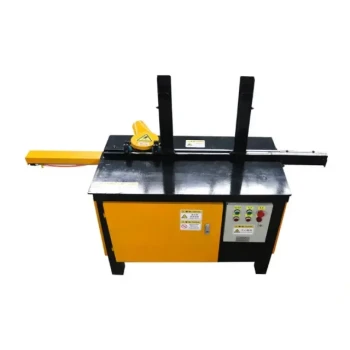
Industrial-grade manufacturing equipment produces hive components with uniform specifications. This precision ensures that parts are tightly fitted and fully interchangeable between different colonies.
This interchangeability simplifies complex management tasks. Activities like colony splitting, merging, and artificial pollination become streamlined when frames and boxes can be swapped without friction or modification.
Optimizing for Biological Needs
High-precision machinery allows for the mass production of hives tailored to the specific nesting habits and biological characteristics of stingless bee species.
Manufacturing adheres to precise biological standards, such as the correct "bee space." This reduces structural variations that could stress the colony, ensuring a stable environment that supports colony health during scale-up.
Durability for Logistics and Leasing
Standardized manufacturing improves the structural integrity of the hives. This durability is critical for business models involving the leasing of hives for pollination services.
robust, uniform hives can withstand the frequent transport required in commercial leasing markets without compromising the colony inside.
Driving Expansion Through Operational Efficiency
Once hardware is standardized, machinery facilitates the expansion of the apiary by optimizing the workflow and reducing the human workload.
Reducing Labor Intensity and Costs
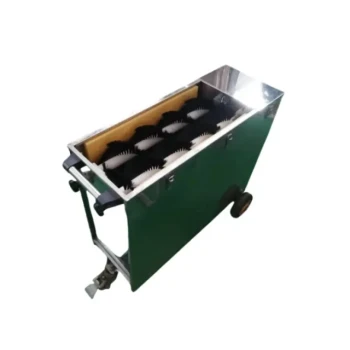
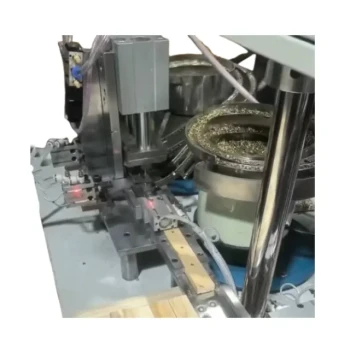
Automated honey extractors and assembly lines significantly lower the manual effort required per hive. This allows producers to counteract rising labor costs by managing more hives with fewer personnel.
Furthermore, automated extraction machinery maintains high hygiene standards, which can be difficult to guarantee with manual processing at a commercial scale.
Facilitating Rapid Deployment
The uniformity provided by industrial machinery ensures the repeatability of the eduction process (colony propagation).
With precise interfaces and standardized parts, beekeepers can rapidly deploy eduction devices across large-scale apiaries. This capability allows for aggressive expansion of colony numbers with minimal setup time.
Enabling Data-Driven Monitoring
Standardized hives provide a consistent "observation plane" and uniform entrance designs. This creates a stable baseline for video monitoring equipment.
When every hive entrance is identical, data collected regarding bee activity is comparable across the entire apiary. This reduces counting errors and allows operators to use scientific monitoring protocols to manage vast numbers of colonies remotely.
Understanding the Implementation Trade-offs
While modernization offers a path to scale, it requires a strict adherence to precision that traditional methods might overlook.
The Requirement for Precision
The benefits of modernization rely entirely on high-precision manufacturing. If machinery fails to maintain tight tolerances during wood processing, the interchangeability of components is lost.
Risk of Absconding
Poorly fitted components or imprecise interfaces can lead to gaps or instability in the hive structure. This increases the risk of bee absconding (the colony abandoning the hive).
Success depends on using equipment that guarantees precise physical connections, ensuring the hive remains a secure environment for the bees.
Making the Right Choice for Your Goal
Modernization affects different aspects of the operation depending on your specific business objectives.
- If your primary focus is Commercial Honey Production: Prioritize automated extraction machinery to reduce labor intensity and maintain the rigorous hygiene standards required for large-scale output.
- If your primary focus is Pollination Services (Leasing): Focus on high-precision hive manufacturing to ensure equipment durability and interchangeability during frequent transport.
- If your primary focus is Scientific Monitoring: Invest in standardized housing with uniform entrances to minimize variables and ensure accurate data collection across all observation sites.
By leveraging modernized machinery to standardize hardware and automate processes, you build the essential infrastructure required to transition from a local apiary to a scalable industrial enterprise.
Summary Table:
| Feature | Modernized Machinery Impact | Commercial Benefit |
|---|---|---|
| Hive Components | High-precision manufacturing for interchangeability | Simplifies colony splitting and reduces maintenance time |
| Honey Extraction | Automated, hygienic processing systems | Lowers labor costs and ensures consistent food-grade quality |
| Colony Expansion | Standardized eduction and propagation tools | Enables rapid deployment and aggressive scaling of hive numbers |
| Monitoring | Uniform hive entrances and integrated sensors | Supports data-driven management and remote hive tracking |
| Durability | Industrial-grade structural integrity | Withstands frequent transport for pollination leasing services |
Elevate Your Apiary Operations with HONESTBEE
Transition from hobbyist methods to a scalable industrial model with HONESTBEE. As a premier partner for commercial apiaries and distributors, we provide the comprehensive wholesale solutions you need to lead the market. From high-precision hive-making machinery and automated honey-filling systems to specialized beekeeping tools and industry consumables, our portfolio is designed to ensure hardware uniformity and operational excellence.
Ready to standardize your production and maximize output?
Contact HONESTBEE Today to discover how our professional-grade equipment and honey-themed cultural merchandise can drive your business growth.
References
- Nor Akaliah Shaharudin, Mustafa Man. On the Use of Multi-criteria Decision Making Model for Selecting the Important Criteria in Meliponiculture. DOI: 10.13189/ujar.2023.110211
This article is also based on technical information from HonestBee Knowledge Base .
Related Products
- Stainless Steel J Hook Hive Tool for Beekeeping
- HONESTBEE 15-in-1 Beekeeper Multi-Tool with Hammer and Pliers for Beekeeping
- HONESTBEE Professional Mini J-Hook Hive Tool for Beekeeping
- Durable Galvanized Steel Frame Grip
- Multi-Function Plier-Style Frame Grip Hive Tool
People Also Ask
- What specific challenges do beekeeping hive tools address during hive maintenance? Essential Solutions for Apiaries
- What is a J-hook hive tool and why is it favored by some beekeepers? Master Gentle Frame Handling
- What are the features of a J-hook hive tool? Effortlessly Lift Frames with Superior Leverage
- What is the purpose of the J-hook hive tool? Effortlessly Lift Frames with Superior Leverage
- How is a J-hook hive tool designed and what is its primary use? Master Effortless Hive Inspections