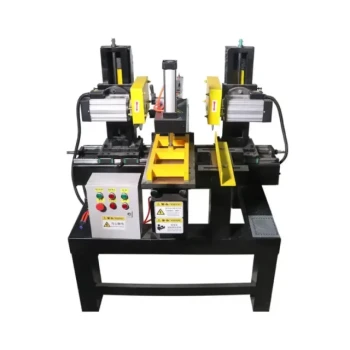
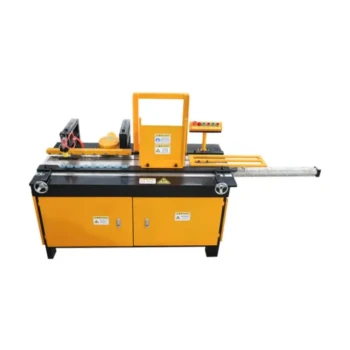
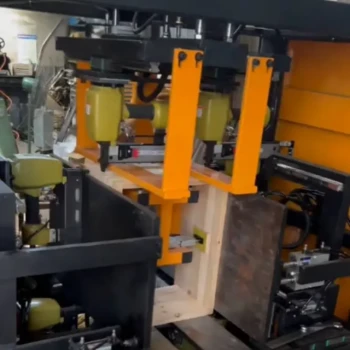
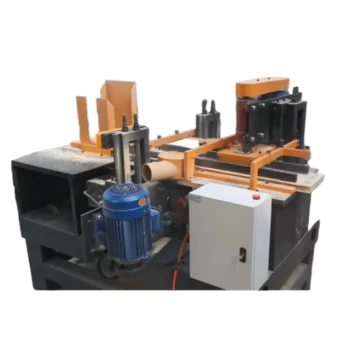
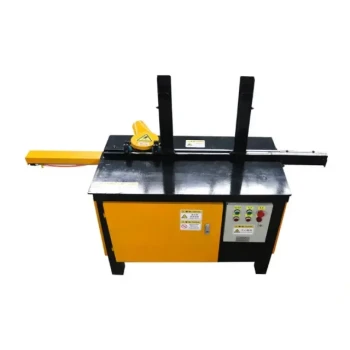
Professional beehive manufacturing machinery acts as the technological bedrock of modern apiculture by enabling the standardized, high-precision production of hive components. By ensuring that every hive body and frame is built to compatible, precise dimensions, this industrial approach significantly lowers equipment costs while creating a uniform platform essential for large-scale apiary expansion and the integration of advanced management techniques.
The Core Insight Modern industrial beekeeping is not merely about having more hives; it is about establishing a predictable, scalable system. Professional manufacturing machinery transforms the beehive from a variable, hand-crafted container into a precision-engineered tool, enabling interchangeability and automation that manual production simply cannot support.
The Foundation of Standardization
Precision and Interchangeability
The primary contribution of professional machinery is the creation of interchangeable components. Industrial equipment, often utilizing CNC milling or standardized molds, produces frames and hive bodies with extremely tight dimensional tolerances. This allows beekeepers to move frames between different hives seamlessly, a capability that is critical for managing resources across a large apiary.
Maintaining Critical Bee Space
Machinery ensures the strict maintenance of "bee space"—the specific gap required for bees to move without building excess burr comb. Manual construction often fails to hold these tolerances consistently. By mechanically guaranteeing these dimensions, the machinery reduces the labor required for hive maintenance and minimizes colony disturbance during inspections.
Durability and Environmental Control
Mechanically produced hives offer superior structural integrity compared to traditional handmade options. These machines create components with better sealing and thermal insulation properties. This consistency optimizes the colony's living environment, improving ventilation and significantly boosting survival rates during overwintering.
Enabling Mechanization and Scale
Facilitating Automated Extraction
The uniformity provided by manufacturing machinery is a prerequisite for downstream automation. Automated honey-harvesting equipment and filling lines rely on frames and boxes having exact dimensions. Without this standardization, the mechanization of honey extraction—which drives the efficiency of modern commercial operations—would be impossible.
Optimizing Migratory Beekeeping
For operations involved in pollination services, hives must be transported frequently. Machined hives provide the uniform dimensions and durability necessary for efficient stacking and transport. This standardization streamlines logistics and reduces the physical wear and tear on equipment during transit.
Enhancing Research and Disease Management
Improving Quarantine Efficiency
The ability to swap components easily aids in disease control. Standardized equipment allows for rapid frame replacement and isolation, reducing the risk of disease transmission between colonies. This interchangeability improves the overall speed and effectiveness of quarantine protocols.
Supporting Scientific Research
Standardized equipment serves as a control variable in biological research. By eliminating physical variations in the hive structure, researchers can conduct more accurate studies on bee biology and colony behavior. This reliability supports the advancement of scientific beekeeping practices.
Understanding the Operational Trade-offs
The Requirement of Conformity
Adopting equipment from professional manufacturing machinery implies a commitment to a specific standard. While this unlocks efficiency, it requires the beekeeper to adhere to the specifications of the manufacturing platform. Mixing handmade equipment with machine-made components can lead to compatibility issues that negate the benefits of the system.
The Shift to Industrial Dependence
Moving to this model shifts the operation's foundation from labor (building hives) to capital (buying equipment). While the text notes that this machinery eventually reduces the cost for farmers to acquire high-efficiency equipment, it creates a dependency on the supply chain of these manufactured parts. The beekeeper relies on the manufacturer's quality control rather than their own craftsmanship.
Making the Right Choice for Your Goal
To leverage professional manufacturing machinery effectively, align your equipment choices with your operational focus:
- If your primary focus is Commercial Honey Production: Prioritize equipment with strict dimensional tolerances to ensure compatibility with automated uncapping and extraction lines.
- If your primary focus is Migratory Pollination: Select machine-manufactured hives known for superior structural durability and stacking uniformity to withstand frequent transport.
- If your primary focus is Colony Health & Research: Focus on equipment that guarantees precise "bee space" and thermal insulation to minimize stress on the bees and eliminate environmental variables.
Standardization is the bridge between traditional beekeeping and modern industrial efficiency.
Summary Table:
| Key Feature | Impact on Modern Beekeeping | Primary Benefit |
|---|---|---|
| Precision Tolerances | Ensures perfect "bee space" and interchangeability | Reduces labor and colony disturbance |
| Standardization | Enables use of automated extraction and filling lines | High-efficiency commercial scaling |
| Structural Integrity | Provides superior thermal insulation and durability | Improved overwintering survival rates |
| Uniform Dimensions | Streamlines logistics and stacking for transport | Optimized migratory pollination services |
| Modular Design | Allows rapid frame replacement and isolation | Enhanced disease control and quarantine |
Scale Your Apiculture Business with HONESTBEE
Transitioning to a modern, high-efficiency beekeeping model requires the right technological foundation. HONESTBEE specializes in empowering commercial apiaries and distributors with the precision tools needed to succeed at scale.
We provide a comprehensive wholesale portfolio, including:
- Advanced Machinery: CNC hive-making machines and automated honey-filling lines.
- High-Quality Hardware: Standardized beekeeping tools and durable hive components.
- Industry Consumables: A full spectrum of essential supplies for large-scale operations.
- Cultural Merchandise: Honey-themed products to diversify your brand.
Whether you are looking to automate your honey production or equip a regional distribution network, our team is ready to provide the expertise and equipment you need.
Ready to elevate your operation? Contact HONESTBEE today to explore our wholesale solutions.
References
- Dereje Shibru, Emana Megersa. Identifying Opportunities and Constraints of Beekeeping: The Case of Gambella Zuria and Godere Weredas, Gambella Regional State, Ethiopia. DOI: 10.4172/2161-0983.1000182
This article is also based on technical information from HonestBee Knowledge Base .
Related Products
- High-Efficiency Pneumatic Bee Hive Making Machine for Rapid Box Assembly
- Mini Desktop Bee Hive Frame Forming Making Machine
- Beehive Machine Double End Saw for Precision Hive Component Manufacturing
- HONESTBEE Top Bar & Bottom Bar Forming Machine | Bee Frame Machine
- Beehive Handle and Frame Rest Cutting Machine: Your Specialized Hive Machine
People Also Ask
- How does the introduction of professional beehive-making machinery benefit sustainable beekeeping? Scale Your Apiary
- Why is specialized beehive-making machinery critical for low-defense breeding? Enhance Selection with Precision Tools
- How does the introduction of specialized beehive making machinery contribute to increasing the scale of regional beekeeping industries?
- What is the importance of specialized beehive making machinery in a circular bio-economy? Build Local Sustainability
- Why is specialized beehive-making machinery essential? Scale Your Apiary with Precision Industrial Standards