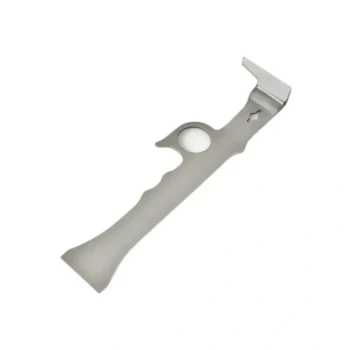
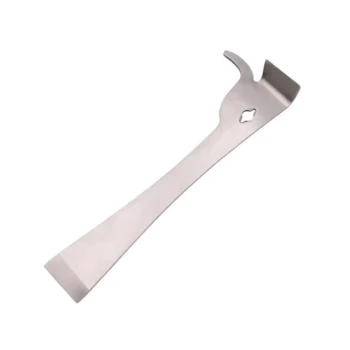
Professional beekeeping equipment acts as the essential logistical and biological support system for large-scale agriculture. At its core, this equipment provides the necessary breeding space and physical protection—shielding colonies from adverse weather and chemical exposure—to ensure pollinator populations remain robust. By maintaining high-density, healthy colonies, professional gear guarantees that bees are physiologically capable of executing high-intensity cross-pollination during critical flowering windows for crops like fruit trees and rapeseed.
By transforming a biological process into a managed agricultural service, professional equipment allows farmers to deploy pollinators with the same precision they apply to irrigation or fertilization, directly resulting in higher yields and superior crop quality.
The Foundation of Colony Health and Density
Protection Against Environmental Threats
To support large-scale agriculture, bees must survive hostile environments. Professional hive systems create a physical barrier that protects colonies from adverse weather conditions that would otherwise halt foraging or kill the brood.
Mitigating Chemical Exposure
Agricultural fields often require pest management, which can be fatal to pollinators. Professional facilities provide a defensive structure that helps shield honeybee colonies from direct contact with chemical exposures such as pesticides, preserving the workforce required for pollination.
Ensuring Population Readiness
Pollination is a numbers game. Professional breeding spaces are designed to maximize population growth, ensuring a sufficient and healthy population is available exactly when crops enter their reproductive phase.
Mobility and Precision Deployment
The Logic of Mobile Systems
Stationary hives cannot service vast monocultures effectively. Mobile beekeeping equipment transforms hives into portable units, allowing operators to transport colonies directly into orchards or fields of crops like coffee, beans, and corn.
Addressing Pollinator Deficits
Native wild pollinators are often insufficient for commercial acreages. Specialized transport systems allow for the precise deployment of bees to specific zones to address these shortages, ensuring total pollination coverage.
Controlled Pollination Management
Mobility grants control. By placing hives near crops during peak flowering periods, beekeepers can manage the timing and intensity of foraging, which directly improves genetic diversity and seed set rates.
Standardization and Operational Efficiency
Reducing Labor Intensity
Managing hundreds of colonies requires speed and consistency. Standardized beehives and tools streamline the workflow, significantly reducing the physical labor required compared to traditional models.
Facilitating High-Intensity Services
Standardization enables a shift from casual keeping to scientific management. This efficiency allows beekeepers to provide high-intensity pollination services, which correlates directly to higher fruit set rates and fuller fruit shapes.
The Role of Protective Gear
Human efficiency is as critical as bee health. Professional protective clothing, such as veils and full-body suits, ensures biological safety for operators during invasive tasks like installation or monitoring.
Maintaining Colony Stability
Protective gear does more than prevent stings; it prevents disruption. By protecting the operator, the equipment prevents reaction-based errors (such as dropping frames), allowing for stable and efficient monitoring without stressing the colony.
Understanding the Trade-offs
The Shift from Product to Service
Adopting professional equipment changes the nature of the operation. It enables a transition from simple product manufacturing (honey) to high-value agricultural services (pollination), but this requires higher capital investment in transport and housing hardware.
Complexity of Management
While standardized tools reduce physical labor, the management of mobile units adds logistical complexity. Precise deployment requires careful timing aligned with crop cycles, demanding a higher level of technical knowledge than stationary beekeeping.
Making the Right Choice for Your Goals
To leverage beekeeping for agricultural success, align your equipment strategy with your specific production targets:
- If your primary focus is increasing crop yield: Prioritize mobile beekeeping systems to deploy high-density colonies directly into fields during peak flowering windows.
- If your primary focus is operational scalability: Invest in standardized hives and tools to reduce labor intensity and allow for the scientific management of larger colony numbers.
- If your primary focus is personnel efficiency: Ensure high-quality protective clothing is used to maintain operator confidence and colony stability during frequent inspections.
Professional equipment ultimately converts the natural behavior of bees into a reliable, scalable agricultural asset.
Summary Table:
| Feature | Agricultural Impact | Key Equipment involved |
|---|---|---|
| Colony Protection | Ensures high pollinator density & survival | Professional Hive Systems, Breeding Hardware |
| Mobility & Deployment | Enables precise pollination of monocultures | Mobile Beekeeping Systems, Transport Gear |
| Standardization | Reduces labor & allows for large-scale service | Standardized Hives, Scientific Management Tools |
| Biological Safety | Protects operators & maintains colony stability | Professional Protective Clothing & Veils |
Boost Your Agricultural Productivity with HONESTBEE
At HONESTBEE, we specialize in empowering commercial apiaries and distributors with the professional tools needed to master large-scale pollination. Whether you are expanding your service capacity or upgrading your fleet, our comprehensive wholesale offering provides everything from high-performance hive-making and honey-filling machinery to essential beekeeping consumables and protective gear.
Partner with us to transform your beekeeping operation into a high-value agricultural asset. Our specialized hardware is designed for durability and efficiency, ensuring your colonies are always ready for peak flowering windows.
Ready to scale your business? Contact us today to explore our wholesale solutions!
References
- Janusz Majewski. Ecosystem services value: case of pollination. DOI: 10.22616/esrd.2018.116
This article is also based on technical information from HonestBee Knowledge Base .
Related Products
- Professional Bee Smoker with Elongated Spout and Durable Bellows for Beekeeping
- HONESTBEE Professional Mini J-Hook Hive Tool for Beekeeping
- Professional 600D Oxford Cloth Beekeeping Tool Bag with 8 Pockets and Elastic Loops
- Professional Stainless Steel J-Hook Hive Tool
- HONESTBEE Professional Multi-Functional Hive Tool with Ergonomic Wood Handle
People Also Ask
- What roles do bee smokers and precision tools play in honey harvesting? Master Safety and Quality Control
- Why is a professional bee smoker considered an essential tool for hive management and safety? Master Colony Control.
- Why is the use of professional bee smokers and specialized fuel essential? Protect Honey Purity & Colony Safety
- Why is a professional Smoker essential during routine apiary inspections? Enhance Safety and Operational Efficiency
- What is the mechanism by which a professional bee smoker assists in colony management? Boost Hive Safety and Efficiency