Queen exclusion in top-bar hives is primarily a biological process rather than a mechanical one. Instead of relying on a grid to restrict the queen's movement, these hives depend on a "honey barrier"—a dense wall of capped honeycomb that separates the brood nest from the surplus honey stores.
Natural queen exclusion occurs when the colony creates a buffer zone of at least one full bar of honeycomb. This barrier physically and behaviorally discourages the queen from crossing into the honey storage area to lay eggs.
The Mechanics of Natural Exclusion
The Honeycomb Barrier
In a well-functioning top-bar hive, the colony organizes itself horizontally. The queen remains in the brood nest, which is separated from the honey section by a wall of food.
This barrier consists of at least one full bar of honeycomb. Because the queen prefers to remain within the brood cluster, she rarely crosses this solid wall of capped honey to seek new laying space.
The Expansion Dynamic
As the season progresses, this exclusion zone naturally reinforces itself. As the bees forage and gather more nectar, they store it in the comb adjacent to the brood nest.
This causes the honey barrier to grow in width. Consequently, the distance between the active brood nest and the newly created comb for surplus honey increases, further isolating the queen from the harvestable sections.
Understanding the Trade-offs
The Reliability Factor
While natural exclusion is the standard for top-bar management, it is not always 100% effective. There are instances where a prolific queen may cross the honey barrier, particularly if the hive becomes congested.
Commercial Considerations
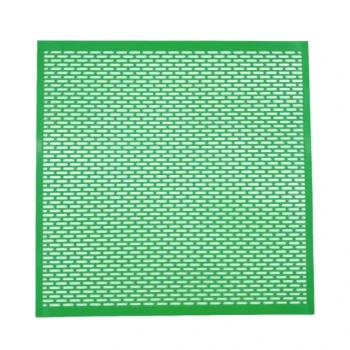
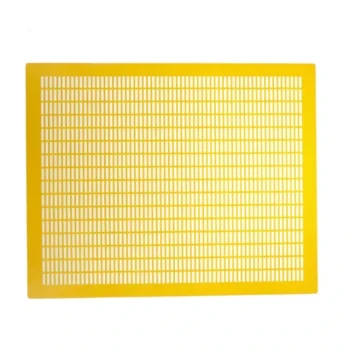
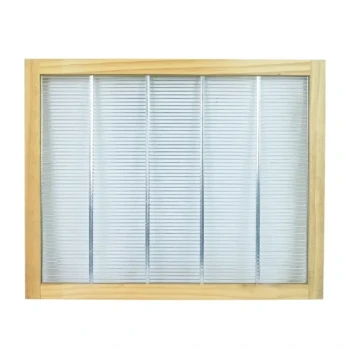
For commercial beekeepers, even a small amount of brood in the honey harvest can be problematic. Because natural exclusion relies on bee behavior rather than a physical impossibility, some commercial operations still opt to use artificial queen excluders. This guarantees that the queen physically cannot enter the honey section, ensuring the purity of the harvest.
Managing Your Hive Strategy
Deciding whether to trust natural exclusion depends on your tolerance for risk and your specific beekeeping goals.
- If your primary focus is low-intervention hobby beekeeping: Rely on the natural honey barrier, ensuring there is always a full bar of capped honey between the brood and empty combs.
- If your primary focus is commercial production: Consider installing an artificial queen excluder to eliminate the risk of the queen laying eggs in your harvestable frames.
By respecting the colony's natural organization, you can maintain a clean separation of resources with minimal disturbance.
Summary Table:
| Feature | Natural Exclusion (Honey Barrier) | Artificial Queen Excluder |
|---|---|---|
| Mechanism | Biological buffer of capped honeycomb | Physical mesh/grid barrier |
| Intervention | Low; relies on bee behavior | High; requires installation |
| Reliability | Variable; queen may cross if congested | 100% effective physical barrier |
| Primary Use | Hobbyist/Low-intervention beekeeping | Commercial production & distributors |
| Benefit | Mimics natural colony organization | Guarantees brood-free honey harvest |
Elevate Your Apiary Efficiency with HONESTBEE
Whether you rely on natural honey barriers or require the 100% certainty of mechanical exclusion, HONESTBEE provides the professional-grade tools you need. We cater to commercial apiaries and distributors with a comprehensive wholesale offering, including:
- Precision Machinery: From hive-making to high-speed honey-filling machines.
- Essential Hardware: Durable top-bar components and specialized queen excluders.
- Industry Consumables: A full spectrum of beekeeping tools and hive-themed merchandise.
Ready to scale your commercial operation? Contact us today to discover how our wholesale solutions and industry expertise can streamline your production and boost your harvest quality.
Related Products
- High Performance Plastic Queen Excluder for Beekeeping and Apiary Management
- Professional Plastic Queen Excluder for Modern Beekeeping
- Lightweight Durable Plastic Queen Excluder Scraper for Beekeeping
- Metal Queen Bee Excluder for Beekeeping
- Premium Wood Framed Metal Wire Queen Bee Excluder
People Also Ask
- What are the characteristics of a plastic queen excluder? Key Benefits for Cost-Effective Beekeeping
- What are the operational and cost advantages of using plastic queen excluders over metal or wire excluders in commercial hive management? Discover how they reduce labor, prevent wing damage, and lower total costs.
- What types of queen excluders are available for beekeepers? Choose the Right Tool for Your Hive
- Why are standardized hive frames and queen excluders essential for maintaining honey purity and quality? Scale Your Purity
- Do plastic queen excluders work? A Cost-Effective Solution for Modern Apiaries