Single-stage high-ratio filling combined with surface honey treatment optimizes industrial bee bread production by maximizing cell volume utilization while actively preventing resource depletion. By filling cells to two-thirds capacity in a single pass and immediately applying a honey coating, producers leverage natural bee behavior to protect the pollen stock.
The core innovation lies in using the bee's own physiological attraction to honey as a production safeguard. This diverts the colony's attention away from consuming the valuable filled pollen, significantly reducing waste during the scaling process.
The Two-Part Optimization Strategy
High-Ratio Single-Stage Filling
To achieve industrial efficiency, the process abandons incremental filling methods in favor of a single operation.
Pollen is filled directly to two-thirds of the cell depth in one pass. This high-ratio filling maximizes the storage capacity of each cell immediately, reducing the mechanical time required to prepare the comb.
The Honey Coating Mechanism
Once the pollen is in place, a layer of honey is applied to the surface.
This is not merely for flavor or preservation; it acts as a behavioral control mechanism. The surface coating utilizes the honeybees' strong physiological attraction to honey.
Leveraging Biological Attraction
By presenting the bees with a readily available honey layer, their attention is diverted.
Instead of consuming the filled pollen—which would represent a loss of the primary product—the bees focus on the honey coating. This biological "distraction" is critical for maintaining inventory levels in a live hive environment.
Why This Enables Industrial Scale
Reducing Resource Loss
In traditional methods, product loss due to bee consumption can be a significant bottleneck.
By effectively masking the pollen with a preferred food source (honey), producers significantly reduce resource loss. This preservation of the pollen mass is essential when calculating yields for large-scale operations.
High-Efficiency Throughput
The combination of filling depth and surface treatment creates a streamlined workflow.
This method serves as a high-efficiency technical solution, removing the need for complex, multi-stage interventions to protect the product. It allows producers to scale up bee bread production to industrial levels without a linear increase in waste.
Operational Considerations and Trade-offs
Precision is Critical
While efficient, this method relies heavily on the accuracy of the "two-thirds" filling ratio.
If the cells are underfilled, valuable production space is wasted. If overfilled, there may not be sufficient room for the protective honey layer, negating the behavioral advantage.
Dependency on Honey Availability
This process requires a consistent supply of honey for the surface coating.
Producers must factor the cost and availability of this coating material into their industrial planning. The efficiency gains in pollen yield must outweigh the resource cost of the honey used for the coating.
Making the Right Choice for Your Goal
This technique is specifically designed for operations looking to move from small-scale beekeeping to mass production.
- If your primary focus is maximizing volume: Prioritize the single-stage filling technique to ensure every cell utilizes two-thirds of its depth immediately.
- If your primary focus is minimizing waste: Ensure the surface honey coating is applied immediately to divert bee attention and preserve the pollen inventory.
By integrating biological behavior into the mechanical filling process, you transform a potential pest problem into a managed production variable.
Summary Table:
| Optimization Element | Technical Specification | Functional Purpose |
|---|---|---|
| Filling Ratio | 2/3 of cell depth in a single pass | Maximizes cell volume utilization and throughput |
| Surface Treatment | Immediate honey coating application | Acts as a behavioral control to prevent pollen consumption |
| Mechanism | Biological Attraction Diversion | Redirects bees to honey layer to preserve pollen stock |
| Scale Impact | High-Efficiency Workflow | Reduces waste and mechanical time for industrial yields |
Scale Your Apiary Operations with HONESTBEE
Transitioning from small-scale beekeeping to industrial-level production requires precision and the right equipment. HONESTBEE empowers commercial apiaries and distributors with high-performance machinery, including specialized honey-filling machines and hive-making hardware, designed to implement high-efficiency workflows like single-stage filling.
Our comprehensive wholesale portfolio covers everything from heavy-duty beekeeping machinery to essential industry consumables and honey-themed cultural merchandise. Partner with us to minimize resource loss and maximize your production capacity. Contact HONESTBEE today to optimize your production line!
References
- Serhii Velychko, Ján Brindza. Bee stimulation to form protein food reserves. DOI: 10.5219/1562
This article is also based on technical information from HonestBee Knowledge Base .
Related Products
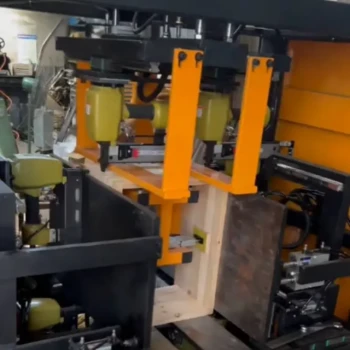
- Automatic High-Speed Bee Hive Box Stapling Machine
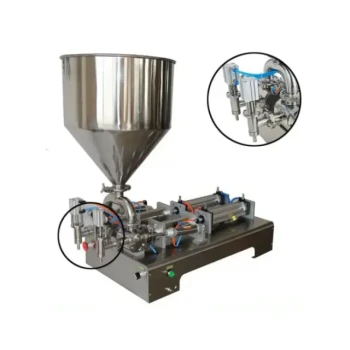
- Precision Durable Efficient HONESTBEE Rotary Honey Filling Machine
- High-Efficiency Pneumatic Bee Hive Making Machine for Rapid Box Assembly
- Automatic Honey Filling and Filtering Machine for Beekeeping Bottle Filling
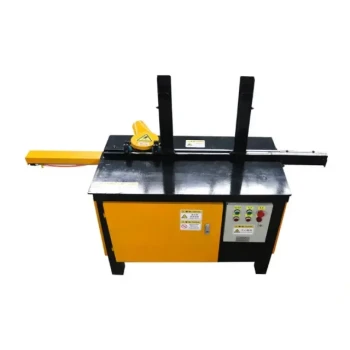
- HONESTBEE Top Bar & Bottom Bar Forming Machine | Bee Frame Machine
People Also Ask
- How is the Bee Box machine adjusted for different box sizes? Maximize Your Woodworking Versatility and Precision
- How is the Bee Box machine operated? Optimize Your Commercial Hive Production with Scalable Staffing Solutions
- How was the Bee Box machine designed? Industrial Engineering for High-Volume Beekeeping Production
- What is the production capacity of the Bee Box machine? Boost Output up to 1,000 Boxes Daily
- What are the power requirements and control system for the Bee Box machine? Optimize Your Apiary Equipment Production