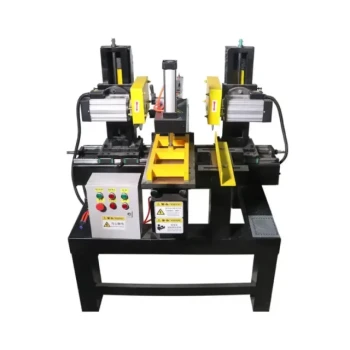
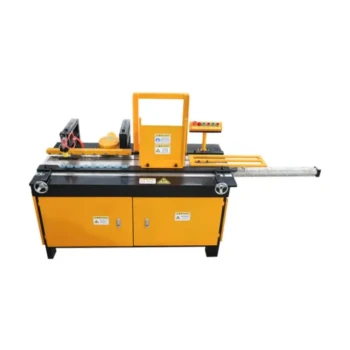
Specialized beehive manufacturing equipment ensures organic quality by enabling the precise construction of habitats using strictly natural, untreated materials. By eliminating the need for synthetic adhesives and toxic paints during assembly, this machinery prevents chemical migration into the beeswax and honey. Furthermore, industrial precision creates optimal ventilation and structural integrity, which directly minimizes disease and reduces the need for chemical medical interventions.
Core Takeaway: The primary contribution of specialized equipment to organic quality is the creation of a contaminant-free environment that supports natural bee immunity. By eliminating toxic construction materials and optimizing hive physics, producers minimize the need for external chemical treatments, preserving the biological purity of the final product.
Eliminating Chemical Contaminants at the Source
The most direct impact of specialized manufacturing on organic quality is the exclusion of prohibited substances from the hive structure itself.
Preventing Material Migration
Organic beekeeping standards strictly forbid the use of paints, glues, or preservatives that contain toxic substances. Specialized machinery allows for the processing of natural, chemically untreated materials (typically wood) with high precision.
Because the components are machined to exact specifications, they can be assembled using tight joinery rather than relying on chemical adhesives. This prevents harmful chemicals from leaching into the beeswax comb or the honey stores over time.
Ensuring Structural Purity
Standardized manufacturing ensures that every component—from the hive body to the frames—complies with organic regulations. By automating the shaping of these materials, manufacturers guarantee that no non-compliant "shortcuts" (such as using treated plywood or synthetic sealants) are introduced during the construction phase.
Reducing Reliance on Chemical Interventions
A deeper, often overlooked aspect of organic quality is the health of the bee colony. If a colony is sickly, beekeepers are often tempted or forced to use antibiotics or chemical mite treatments, which can disqualify the products from organic certification.
Optimization of Ventilation
Specialized equipment is engineered to cut ventilation channels and structural gaps with extreme accuracy. Proper ventilation is critical for regulating humidity and preventing the growth of mold and pathogens within the hive.
When air quality is maintained naturally through smart physical design, the colony is less susceptible to respiratory ailments and fungal infections, negating the need for chemical antifungal treatments.
Enhancing Natural Immunity
Industrial processing ensures hives possess disaster-resistance properties and robust adaptability to climate conditions. A structurally sound hive offers better insulation, which reduces the energy honeybees must expend on regulating nest temperature.
When bees spend less energy on heating and cooling, they can dedicate more resources to foraging and hygiene (grooming). This strong, natural immunity is the most effective way to manage pests like Varroa mites without resorting to the synthetic miticides that contaminate organic wax and honey.
Enhancing Sanitary Standards through Precision
The operational efficiency provided by precision machinery also plays a vital role in maintaining the hygiene required for high-quality organic products.
Component Interchangeability
Precision manufacturing creates standardized, uniform dimensions for frames and hive bodies. This standardization allows for the seamless interchangeability of parts.
In an organic operation, old or soiled combs must be cycled out regularly to prevent toxin buildup. Standardized equipment allows beekeepers to easily remove, clean, and replace components without disrupting the colony, maintaining a higher baseline of sanitation.
Durability and Long-Term Integrity
High-quality hives produced by these machines can have a service life exceeding 20 years. A durable hive maintains its seal and structural integrity longer, preventing leaks that could introduce moisture and bacteria. This longevity reduces the frequency of disturbance and equipment failure, providing a stable environment for the production of pure honey.
Understanding the Trade-offs
While specialized equipment is essential for modern organic production, it is important to recognize its limitations.
Precision vs. Material Sourcing
The machinery guarantees the shape and assembly are compliant, but it cannot fix the raw material. If the lumber used in the machine has been pre-treated with pesticides or sourced from polluted forests, the final hive will still violate organic standards. The equipment is a tool for processing, not a filter for raw material quality.
The Cost of Compliance
Transitioning to specialized industrial-grade machinery represents a significant capital investment. While this reduces long-term costs through durability and labor savings, the initial outlay is high. Small-scale producers may find it challenging to justify this expense compared to traditional, manual construction methods, even though the latter carries a higher risk of dimensional inconsistency.
Making the Right Choice for Your Organic Goals
To leverage this technology effectively, focus on how the equipment aligns with your specific certification requirements.
- If your primary focus is Chemical Purity: Prioritize machinery capable of high-precision joinery that eliminates the need for any adhesives or caulking during assembly.
- If your primary focus is Colony Health: Select equipment designs that feature advanced ventilation control and superior insulation parameters to reduce colony stress.
- If your primary focus is Scalability: Look for automated systems that guarantee 100% component interchangeability to streamline the rotation of clean frames across a large apiary.
Ultimately, specialized manufacturing acts as a physical gatekeeper for organic standards, ensuring the hive architecture itself actively supports a chemical-free ecosystem.
Summary Table:
| Feature | Impact on Organic Quality | Benefit to Beekeeper |
|---|---|---|
| Precision Joinery | Eliminates the need for synthetic glues/adhesives | Zero chemical migration into wax and honey |
| Optimized Ventilation | Reduces moisture, mold, and pathogen growth | Minimizes reliance on chemical medical treatments |
| Structural Integrity | Enhances insulation and natural colony immunity | Higher honey yield and healthier bee populations |
| Component Uniformity | Allows seamless part interchangeability | Easier sanitation and efficient frame rotation |
| Natural Material Processing | Works with strictly untreated, organic-compliant wood | Guaranteed adherence to organic certifications |
Elevate Your Organic Apiary with HONESTBEE Precision Solutions
Maintaining the biological purity of your honey requires more than just good practices—it requires the right infrastructure. HONESTBEE specializes in supporting commercial apiaries and distributors with the high-precision machinery and specialized hardware needed to build a chemical-free ecosystem.
From advanced hive-making machines that eliminate toxic adhesives to honey-filling equipment that preserves product integrity, we provide the full spectrum of beekeeping tools and essential industry consumables. Partner with HONESTBEE to scale your operations while securing the premium quality your organic customers demand.
Ready to upgrade your production? Contact our expert team today to discuss your wholesale needs!
References
- Georgi Mitev. ORGANIC FARMING - THE FUTURE OF THE AGRICULTURAL ECONOMY OF BULGARIA. DOI: 10.15547/tjs.2019.s.01.091
This article is also based on technical information from HonestBee Knowledge Base .
Related Products
- High-Efficiency Pneumatic Bee Hive Making Machine for Rapid Box Assembly
- Mini Desktop Bee Hive Frame Forming Making Machine
- Beehive Machine Double End Saw for Precision Hive Component Manufacturing
- Beehive Handle and Frame Rest Cutting Machine: Your Specialized Hive Machine
- Professional Bee Frame Machine for Side Bar Shaping
People Also Ask
- How does the introduction of professional beehive-making machinery benefit sustainable beekeeping? Scale Your Apiary
- Why is specialized beehive-making machinery critical for low-defense breeding? Enhance Selection with Precision Tools
- How does the introduction of specialized beehive making machinery contribute to increasing the scale of regional beekeeping industries?
- What is the importance of specialized beehive making machinery in a circular bio-economy? Build Local Sustainability
- Why is specialized beehive-making machinery essential? Scale Your Apiary with Precision Industrial Standards