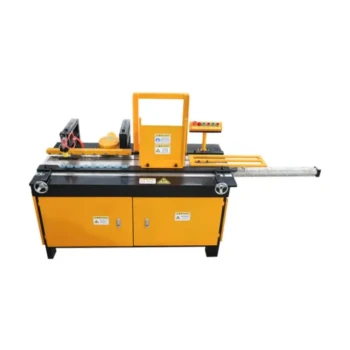
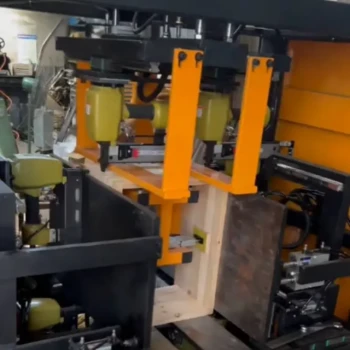
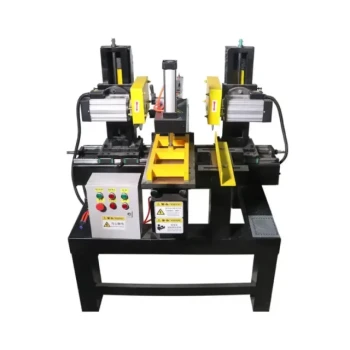
Specialized hive-making machinery optimizes the thermodynamic environment of a bee hive primarily by enabling the precise manufacturing of significantly thicker walls and composite structures. By utilizing advanced cutting and assembly processes, this machinery allows for the production of hives that replicate the low thermal conductivity of natural tree hollows, a standard that conventional thin-walled hives cannot meet.
Core Takeaway
Natural bee habitats provide superior insulation compared to standard wooden boxes. Specialized manufacturing machinery bridges this gap by milling components with dimensions that far exceed industry norms, creating a stable internal climate that reduces thermal stress on the colony.
The Engineering Behind Hive Thermodynamics
Replicating the "Tree Hollow" Effect
In nature, bees favor deep tree hollows. These environments possess a thermal conductivity several times lower than standard apiary equipment.
Standard manufacturing often relies on thin, standardized lumber which offers poor insulation. Specialized machinery allows manufacturers to process massive stock, creating thick-walled environments that mimic the stable temperature fluctuations of a natural tree trunk.
Precision for Non-Standard Specifications
Achieving optimal insulation requires moving away from industry-standard dimensions.
Specialized machinery is capable of the precise cutting and assembly required for these non-standard designs. This precision ensures that extra-thick timber or composite materials fit together seamlessly, eliminating gaps that would otherwise compromise the hive's thermal seal.
Composite Material Integration
Beyond solid timber, advanced machinery facilitates the production of composite insulated hives.
These structures often layer different materials to maximize thermal retention. The machinery ensures these complex layers are bonded and shaped correctly, providing a high-performance envelope that actively supports bee colony welfare.
Understanding the Trade-offs
Increased Weight and Reduced Mobility
While thermodynamically superior, hives produced with thick walls or heavy composites are significantly heavier.
This makes them less ideal for migratory beekeeping operations where hives must be moved frequently. Beekeepers must weigh the biological benefit of stability against the operational difficulty of transport.
Higher Production Costs
The use of specialized machinery and increased raw material volume raises the cost per unit.
Investments in this type of equipment are front-loaded. While the initial expense is higher, the goal is to reduce long-term colony loss due to environmental stress, potentially offsetting the initial capital outlay.
Making the Right Choice for Your Goal
When selecting hive equipment, consider the balance between biological optimization and operational reality.
- If your primary focus is Colony Health and Overwintering: Prioritize hives manufactured with specialized machinery for maximum wall thickness, as this best simulates a natural, low-stress thermal environment.
- If your primary focus is Migratory Beekeeping: Recognize that while thick-walled hives offer better thermodynamics, the added weight may make them impractical for operations requiring frequent transport.
The most effective hive is one that balances the biological needs of the bee with the operational capabilities of the beekeeper.
Summary Table:
| Feature | Standard Manufacturing | Specialized Hive Machinery |
|---|---|---|
| Wall Thickness | Thin, standardized lumber | Heavy-duty, massive stock capability |
| Thermal Conductivity | High (poor insulation) | Low (replicates natural tree hollows) |
| Material Support | Solid wood only | Wood, composites, and multi-layer builds |
| Seal Precision | Standard tolerances | High-precision for thermal integrity |
| Primary Benefit | Ease of transport | Superior overwintering & reduced stress |
Elevate Your Apiary's Productivity with HONESTBEE
At HONESTBEE, we specialize in empowering commercial apiaries and distributors with the precision technology needed to optimize colony health. Our comprehensive wholesale catalog includes advanced hive-making machinery, honey-filling equipment, and high-performance beekeeping tools designed to replicate natural environments and maximize yield.
Whether you are scaling your manufacturing capabilities or sourcing durable industry consumables, we provide the hardware and expertise to give your operation a competitive edge.
Ready to upgrade your production? Contact our experts today to discover how our specialized machinery and equipment can transform your beekeeping business.
References
- Derek Mitchell. Honeybee cluster—not insulation but stressful heat sink. DOI: 10.1098/rsif.2023.0488
This article is also based on technical information from HonestBee Knowledge Base .
Related Products
- High-Efficiency Pneumatic Bee Hive Making Machine for Rapid Box Assembly
- Beehive Handle and Frame Rest Cutting Machine: Your Specialized Hive Machine
- Mini Desktop Bee Hive Frame Forming Making Machine
- Automatic High-Speed Bee Hive Box Stapling Machine
- Beehive Machine Double End Saw for Precision Hive Component Manufacturing
People Also Ask
- How does the introduction of professional beehive-making machinery benefit sustainable beekeeping? Scale Your Apiary
- Why is specialized beehive-making machinery critical for low-defense breeding? Enhance Selection with Precision Tools
- How does the introduction of specialized beehive making machinery contribute to increasing the scale of regional beekeeping industries?
- What is the importance of specialized beehive making machinery in a circular bio-economy? Build Local Sustainability
- Why is specialized beehive-making machinery essential? Scale Your Apiary with Precision Industrial Standards