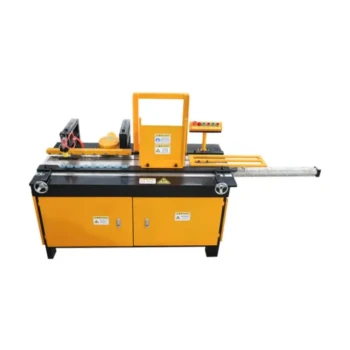
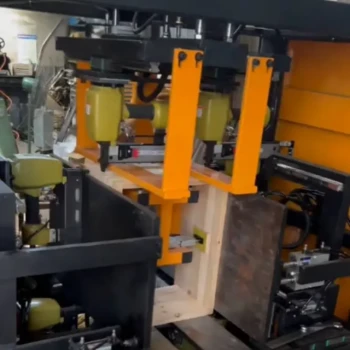
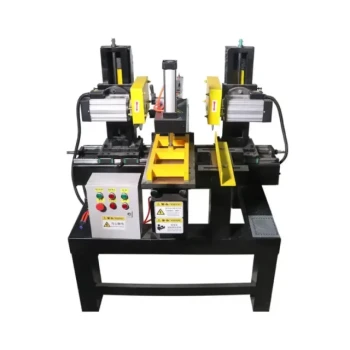
Specialized hive-making machinery is the technical foundation for organic apiary certification. By automating the production of standardized, chemically untreated beehives, this equipment ensures that every component aligns with strict organic purity regulations. This precision allows commercial operations to establish large-scale apiary bases in pristine environments while maintaining the rigorous structural standards required for organic labeling.
The integration of specialized machinery bridges the gap between traditional organic principles and modern industrial efficiency. It enables distributors to offer a standardized solution that guarantees material integrity, precise "Bee Space," and the rapid scalability necessary for global organic honey markets.
Achieving Regulatory Compliance at Scale
Eliminating Chemical Contaminants
Organic standards strictly prohibit the use of synthetic chemicals, preservatives, or certain paints in hive construction. Specialized machinery allows for the high-volume processing of natural, untreated timber into finished hives without compromising structural integrity. This ensures that the hive remains a non-toxic environment, satisfying the primary requirement for organic honey production.
Facilitating Environmental Isolation
Organic certification often requires apiaries to be situated in designated "clean zones" far from industrial pollution or conventional farming. Specialized equipment produces durable, high-precision hives that can withstand the logistical demands of being placed in remote, ecologically sensitive areas. This durability is critical for maintaining colony health in the isolated environments required for organic status.
Processing Sustainable Materials
Modern machinery is designed to work with local or sustainable timber sources, which is a core tenet of ecological beekeeping. By using automated cutting and assembly tools, apiaries can transform raw, sustainable materials into uniform products. This consistency is essential for maintaining a "clean" supply chain from the forest to the final honey harvest.
Engineering for High-Efficiency Management
The Importance of Precise 'Bee Space'
Maintaining the exact biological "Bee Space" (typically 6mm to 9mm) is vital for colony health and management. Industrial-grade machinery ensures that frames and boxes are cut to sub-millimeter tolerances, which prevents bees from building unwanted burr comb. This structural precision facilitates easier inspections and feeding operations, which are essential for organic disease management.
Component Interchangeability and Standardization
For large-scale distributors and resellers, interchangeability is a key selling point. Standardized hive components produced by specialized machinery allow frames to be swapped between different colonies without friction. This uniformity supports mechanized honey harvesting and rapid colony expansion, significantly reducing the labor costs typically associated with manual hive production.
Enhanced Ventilation and Thermal Control
Organic bees must rely on their natural strength rather than chemical treatments to survive winter and disease. Specialized machinery can create complex ventilation and insulation features within the hive structure that manual tools cannot replicate. Proper internal air convection improves overwintering success rates and ensures stable colony growth during the spring.
Understanding the Technical Trade-offs
Initial Capital Expenditure vs. Long-term Gain
Investing in specialized machinery requires significant upfront capital compared to purchasing pre-made hives or using manual labor. However, for wholesalers, this investment is offset by the drastic reduction in per-unit costs and the ability to control the quality of the organic supply chain. The primary risk lies in underutilizing the equipment's high-speed production capacity.
Material Selection and Waste Management
While machinery increases precision, it also requires high-quality, consistent timber to avoid jamming or blade wear. Operators must balance the use of natural, untreated wood with the mechanical requirements of the machines. Poor material selection can lead to higher waste rates, which can impact the overall sustainability profile of the organic base.
Technical Maintenance Requirements
Advanced hive-making equipment requires a dedicated maintenance schedule and technical expertise to operate. A lack of professional technical support or spare parts can lead to production bottlenecks. Distributors must ensure they have a reliable service partner to maintain the rapid response times expected in modern B2B trading.
How to Apply This to Your Business Strategy
Distributors and wholesalers can leverage specialized hive-making technology to differentiate their offerings in the competitive organic market. By focusing on precision-engineered hardware, you provide your clients with the tools needed for reliable, large-scale organic production.
- If your primary focus is rapid market entry: Prioritize one-stop sourcing of standardized hive kits to ensure your clients can scale their apiary bases without logistical delays.
- If your primary focus is premium quality assurance: Highlight the "Bee Space" precision and chemical-free manufacturing processes of your machinery to appeal to high-end organic producers.
- If your primary focus is supply chain efficiency: Invest in high-capacity automated equipment that guarantees component interchangeability, reducing the need for custom adjustments in the field.
By utilizing specialized machinery to meet organic standards, you transform a complex regulatory challenge into a streamlined, profitable, and highly scalable business model.
Summary Table:
| Feature | Benefit for Organic Standards | Commercial Impact |
|---|---|---|
| Chemical-Free Processing | Ensures non-toxic, untreated wood environments | Guarantees organic certification eligibility |
| Sub-millimeter Precision | Maintains exact 'Bee Space' (6mm-9mm) | Improves colony health and inspection speed |
| Automated Standardization | Consistent component interchangeability | Enables rapid scaling and lower per-unit costs |
| Sustainable Material Support | High-efficiency use of natural timber | Enhances eco-friendly supply chain profile |
| Advanced Ventilation | Natural thermal control without chemicals | Increases overwintering success & productivity |
Scale Your Organic Supply Chain with HONESTBEE
Are you a distributor or B2B reseller looking to dominate the organic beekeeping market? HONESTBEE provides the ultimate one-stop sourcing solution for high-precision beekeeping hardware. From automated hive-making and honey-filling machinery to a full spectrum of industry consumables, we empower commercial apiaries with the tools they need for rapid scalability.
Why Partner with HONESTBEE?
- Comprehensive Portfolio: Everything from specialized machinery to honey-themed cultural merchandise.
- B2B Excellence: Dedicated support for wholesalers with premium OEM/ODM capabilities and high profit margins.
- Unmatched Efficiency: Ultra-fast delivery, rapid response times, and deep professional expertise.
Ready to elevate your inventory with industry-leading equipment? Contact us today to discuss wholesale opportunities!
References
- Fatih Bilici, Nebi Seren. A Study on Consumers' Knowledge of Distinguishing Natural and Organic Honey. DOI: 10.24925/turjaf.v13i3.545-552.7182
This article is also based on technical information from HonestBee Knowledge Base .
Related Products
- High-Efficiency Pneumatic Bee Hive Making Machine for Rapid Box Assembly
- Beehive Handle and Frame Rest Cutting Machine: Your Specialized Hive Machine
- Mini Desktop Bee Hive Frame Forming Making Machine
- Automatic High-Speed Bee Hive Box Stapling Machine
- Beehive Machine Double End Saw for Precision Hive Component Manufacturing
People Also Ask
- How does the introduction of professional beehive-making machinery benefit sustainable beekeeping? Scale Your Apiary
- Why is specialized beehive-making machinery critical for low-defense breeding? Enhance Selection with Precision Tools
- How does the introduction of specialized beehive making machinery contribute to increasing the scale of regional beekeeping industries?
- What is the importance of specialized beehive making machinery in a circular bio-economy? Build Local Sustainability
- Why is specialized beehive-making machinery essential? Scale Your Apiary with Precision Industrial Standards