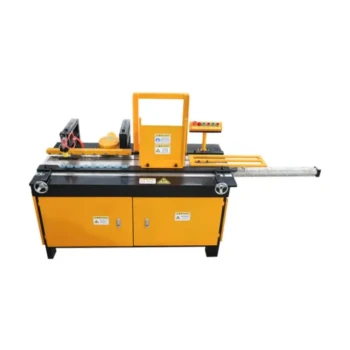
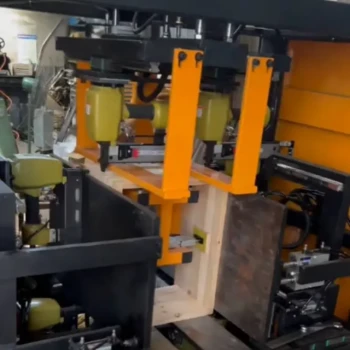
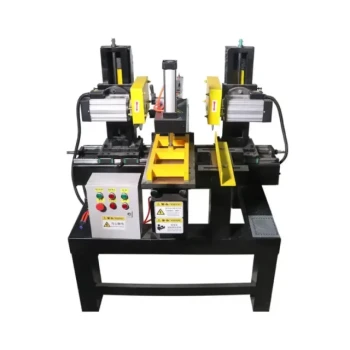
Precision manufacturing is the critical link between genetic theory and field reality. Specialized hive-making machinery supports the breeding of adapted bee species by executing the precise fabrication of hive structures that meet distinct biological requirements. By translating exact dimensions and configurations proposed by apicultural research into physical equipment, this machinery ensures that hives provide the optimal overwintering and breeding spaces necessary for specific species to survive and reproduce.
While genetic traits determine a bee's potential, the physical hive environment determines its expression. Specialized machinery transforms theoretical breeding data into tangible, high-performance habitats that simulate natural conditions, bridging the gap between research and commercial viability.
Translating Research into Physical Infrastructure
Precision Fabrication for Biological Requirements
Breeding bee species with specific adaptations often requires deviations from standard hive designs. Apicultural research may dictate unique physical dimensions to optimize colony health for a particular subspecies.
Specialized machinery allows manufacturers to execute these exact specifications with industrial consistency. This ensures that the physical structure of the hive aligns perfectly with the biological needs identified by researchers.
From Theory to Productivity
Without precise manufacturing, improvements in breeding theory remain abstract concepts. Hand-built or low-precision equipment cannot consistently replicate the exact configurations needed for specialized breeding.
By automating the creation of these specific designs, machinery transforms theoretical improvements into actual productivity. This allows commercial beekeepers to deploy scientifically optimized hives at scale.
Simulating Natural Habitats and Climate Resilience
Mimicking Natural Thermal Conductivity
Standard, thin-walled wooden hives often fail to replicate the protective environment of a natural tree hollow. This discrepancy can cause thermal stress that hinders breeding success.
Advanced machinery enables the cutting and assembly of significantly thicker walls or composite materials that exceed standard specifications. This simulates the thermodynamic performance of natural habitats, improving colony welfare and supporting species adapted to specific thermal niches.
Buffering Against Environmental Extremes
For breeding programs focused on environmental adaptation, the stability of the micro-environment is paramount. Larval mortality rates can spike during sharp fluctuations in temperature or humidity.
Machinery utilizes high-efficiency cutting to produce components that fit together with tight seals and structural uniformity. This creates a robust infrastructure that buffers the colony against cold snaps, drought, and strong winds, ensuring survival during climate crises.
Reducing Physiological Stress
When a hive structure is optimized for ventilation and insulation, the colony spends less energy on thermoregulation. This energy conservation is vital for breeding programs.
By reducing the physiological stress on the bees, the colony can redirect resources toward brood rearing. This indirectly increases the yield and quality of hive products while securing the long-term health of the population.
Understanding the Trade-offs
Standardization vs. Adaptation
While machinery enables customization, its primary industrial advantage is often standardization for mass production. There is a risk that the drive for interchangeable, standardized parts may override the nuanced needs of highly specialized local ecotypes.
The Cost of Precision
Implementing high-precision machinery to create thicker, biologically accurate hives often involves higher material and production costs compared to standard equipment. Breeders must weigh the biological benefits of optimized housing against the increased financial investment required for this specialized infrastructure.
Making the Right Choice for Your Goal
To leverage hive-making machinery effectively, you must align the manufacturing output with your specific biological objectives.
- If your primary focus is Commercial Scalability: Prioritize machinery that utilizes standardized processing techniques to ensure part interchangeability and rapid response to market demand.
- If your primary focus is Specialized Breeding or Conservation: Select machinery capable of processing non-standard wall thicknesses and custom configurations to simulate the thermodynamics of the species' natural habitat.
The most successful breeding programs do not just select the right bees; they engineer the precise environment those bees need to thrive.
Summary Table:
| Feature | Support for Specialized Breeding | Biological Benefit |
|---|---|---|
| Precision Fabrication | Translates research data into exact hive dimensions | Ensures physical structures meet unique subspecies needs |
| Advanced Insulation | Processes thicker walls or composite materials | Simulates natural tree hollows for better thermal regulation |
| Structural Uniformity | High-efficiency cutting for airtight seals | Buffers colonies against extreme climate and environmental stress |
| Energy Conservation | Optimizes ventilation and micro-environment stability | Reduces physiological stress to maximize brood-rearing energy |
| Industrial Scalability | Automates production of specialized designs | Allows commercial beekeepers to deploy optimized hives at scale |
Maximize Your Breeding Success with HONESTBEE
At HONESTBEE, we understand that specialized bee species require more than just standard equipment—they need engineered environments. As a premier partner for commercial apiaries and distributors, we provide the precision hive-making machinery and honey-processing equipment necessary to turn apicultural research into commercial reality.
From high-performance hardware to essential industry consumables and honey-themed cultural merchandise, our comprehensive wholesale offering is designed to scale your operations and protect your colonies.
Ready to upgrade your infrastructure? Contact us today to discover how our specialized machinery can enhance your productivity and species conservation efforts.
References
- Lotta Fabricius Kristiansen, Kes McCormick. Bridging research and practice: developing beekeeping knowledge and innovation systems. DOI: 10.3389/fcosc.2024.1490089
This article is also based on technical information from HonestBee Knowledge Base .
Related Products
- High-Efficiency Pneumatic Bee Hive Making Machine for Rapid Box Assembly
- Beehive Handle and Frame Rest Cutting Machine: Your Specialized Hive Machine
- Mini Desktop Bee Hive Frame Forming Making Machine
- Automatic High-Speed Bee Hive Box Stapling Machine
- Beehive Machine Double End Saw for Precision Hive Component Manufacturing
People Also Ask
- How does the introduction of professional beehive-making machinery benefit sustainable beekeeping? Scale Your Apiary
- Why is specialized beehive-making machinery critical for low-defense breeding? Enhance Selection with Precision Tools
- How does the introduction of specialized beehive making machinery contribute to increasing the scale of regional beekeeping industries?
- What is the importance of specialized beehive making machinery in a circular bio-economy? Build Local Sustainability
- Why is specialized beehive-making machinery essential? Scale Your Apiary with Precision Industrial Standards