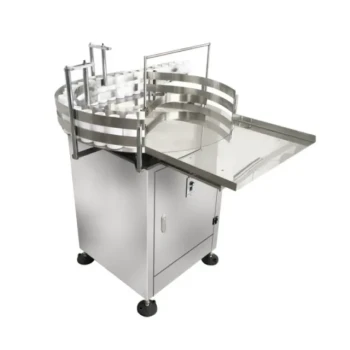
Steam distillation equipment functions as a specialized physical extraction system designed to isolate volatile compounds from plant matter without the use of harsh chemical solvents. The process begins by passing a directed stream of steam through plant tissues, using thermal energy to rupture cell walls and release essential oils into the vapor. A downstream condensation unit then cools this mixture, exploiting the natural immiscibility of oil and water to separate the potent bioactive components required for apiary health applications.
By relying on thermal energy and physical separation rather than chemical additives, steam distillation maximizes the retention of sensitive compounds like terpenes and phenols, which are essential for inhibiting pathogens in honeybee colonies.
The Mechanics of Extraction
Breaking Down Plant Barriers
The core function of the equipment is the application of thermal energy. The steam penetrates the plant material, causing the structural breakdown of cell walls.
Releasing Volatile Compounds
Once the cellular structure is compromised, the plant releases its volatile compounds. These compounds evaporate and attach to the steam, allowing them to be transported away from the raw plant biomass.
Separation and Purification
The Condensation Phase
After the steam has engaged with the plant material, the vapor mixture enters a condensation unit. Here, the temperature is rapidly lowered to convert the steam back into a liquid state.
Leveraging Immiscibility
The equipment relies on the principle of immiscibility—the fact that essential oils and water do not mix. Once condensed, the essential oil floats on top of (or settles below) the water, allowing for clean physical separation of the bioactive components.
Relevance to Honeybee Epidemic Prevention
Preserving Chemical Integrity
Epidemic prevention relies on the potency of the treatment. Steam distillation is a physical extraction process, which avoids the chemical alteration often seen with solvent-based methods. This ensures the essential oils retain a high concentration of terpenes and phenolic compounds.
Targeting Specific Pathogens
The equipment is specifically valued for its ability to concentrate compounds that exhibit inhibitory activity. The preserved bioactives are effective against Ascosphaera apis, the fungal pathogen responsible for chalkbrood disease in honeybees.
Understanding the Constraints
Reliance on Volatility
This equipment is strictly limited to extracting volatile compounds. If the medicinal components of a plant are too heavy or do not evaporate with steam, this method will fail to capture them.
Thermal Sensitivity Risks
While effective, the process depends on heat. One must ensure the specific plant compounds targeted for honeybee treatments are not heat-sensitive to the point of degradation during the initial thermal breakdown.
Making the Right Choice for Your Goal
To effectively utilize steam distillation for apiary health, consider your specific prevention targets:
- If your primary focus is combatting Chalkbrood Disease: Ensure your feedstock plants are rich in phenols and processed to maximize yield against Ascosphaera apis.
- If your primary focus is Organic Certification: Rely on this physical extraction method to ensure your essential oils remain free of synthetic chemical solvents.
Successful epidemic prevention lies in the purity of the extraction; clean equipment yields potent defenses.
Summary Table:
| Feature | Function in Extraction | Benefit for Apiary Health |
|---|---|---|
| Thermal Energy | Ruptures plant cell walls | Releases bioactive compounds without chemicals |
| Vapor Transport | Carries volatile oils | Efficiently isolates targeted medicinal terpenes |
| Condensation | Converts vapor to liquid | Enables clean separation based on immiscibility |
| Physical Process | Avoids solvent additives | Preserves oil purity for organic-certified treatments |
| Pathogen Targeting | Concentrates phenols | Effectively inhibits fungal pathogens like Ascosphaera apis |
Elevate Your Apiary Health with Professional Extraction Solutions
Maximize the potency of your treatments with high-grade equipment from HONESTBEE. As a premier partner for commercial apiaries and distributors, we provide the specialized machinery you need to succeed—from industrial steam distillation units for essential oil extraction to advanced honey-filling and hive-making machines.
Whether you are scaling your wholesale operations or seeking the full spectrum of beekeeping tools and consumables, HONESTBEE delivers the quality and reliability your business demands.
Ready to optimize your production and protect your colonies?
Contact HONESTBEE Today to Discuss Your Wholesale Needs
References
- Mohamed Abdel-Rahman, H. Abou El-Enain. FIELD EVALUATION OF SOME NATURAL MATERIALS AGAINST CHALKBROOD DISEASE INFECTING HONEYBEE COLONIES. DOI: 10.21608/jppp.2009.217224
This article is also based on technical information from HonestBee Knowledge Base .
Related Products
- Steam Beeswax Melter Wax Warmer for Wax Processing
- Heavy Duty Stainless Steel Honey Processing Machine Decrystallizing Tank
- Stainless Steel Manual Honey Press with Guard for Pressing Honey and Wax
- Professional Stainless Steel Honey Filtering Machine with Water Bath Heating for Beekeeping
- 10L Stainless Steel Electric Honey Press Machine
People Also Ask
- How does a steam wax melter work? A Fast, Efficient Method for High-Quality Wax
- How does a professional steam wax melter optimize the recovery of beeswax? Maximize Yield & Hygiene for Your Apiary
- What are the steps to use a steam wax melter? Master Safe & Efficient Wax Rendering
- How do steam wax melters function in the disinfection of apiary equipment? Achieve Chemical-Free Organic Sterilization
- How do you operate a steam wax melter? Master Efficient Wax Extraction and Frame Sterilization