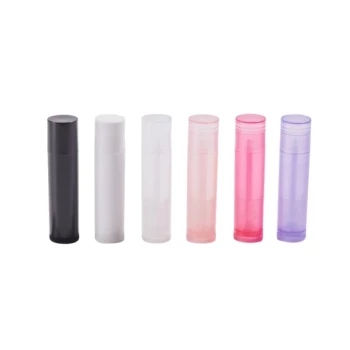
The application of biodegradable packaging fundamentally transforms the end-of-life stage for beekeeping products by mitigating the environmental impact of waste disposal. By replacing traditional single-use plastics with compostable materials, producers significantly reduce soil and ecosystem pollution associated with landfills and incineration, ensuring the packaging's lifecycle is as natural as the product it contains.
By transitioning to biodegradable consumables, apiculture moves beyond simple waste reduction to a holistic model where disposal supports ecosystem health, fully aligning the industry with circular economy principles.
Reducing Environmental Liability
Addressing the Disposal Bottleneck
Traditional single-use plastics create a permanent waste problem once the honey or bee product is consumed. Biodegradable packaging addresses this by offering a disposal route that does not rely on indefinite storage in landfills. This shift eliminates the accumulation of non-degradable waste streams.
Mitigating Soil and Ecosystem Pollution
Standard packaging often leaches harmful byproducts into the soil or releases toxins when incinerated. Biodegradable alternatives decompose into non-toxic organic matter. This effectively neutralizes the risk of chemical pollution entering the surrounding ecosystem.
Minimizing Incineration Reliance
Reducing the volume of plastic waste lowers the necessity for incineration as a waste management strategy. This directly decreases the atmospheric pollutants typically released during the burning of synthetic packaging materials.
Aligning with the Circular Economy
Consistency from Source to Disposal
A true circular economy requires that a product’s end-of-life is considered during its design phase. Biodegradable consumables ensure that the entire lifecycle—from raw material sourcing to final disposal—is consistent. The packaging begins as organic matter and returns to the earth as organic matter.
Closing the Production Loop
Beekeeping is inherently a natural, agricultural process. Using packaging that creates permanent waste disrupts this natural cycle. Biodegradable options close the loop, allowing the packaging waste to potentially reintegrate into the agricultural cycle rather than exiting it as trash.
Understanding the Trade-offs
Durability vs. Degradability
While environmentally superior, biodegradable materials may offer different barrier properties compared to rigid plastics. It is crucial to ensure the shelf-life and protection of the bee products are not compromised during the transition.
Specific Disposal Requirements
"Biodegradable" does not always mean the material will vanish instantly in any environment. Some materials require specific industrial composting conditions to decompose effectively, which differs from backyard composting or simple littering.
Making the Right Choice for Your Operation
Transitioning to biodegradable consumables is a strategic operational decision. Here is how to approach it based on your primary objectives:
- If your primary focus is Environmental Impact: Prioritize materials certified for home composting to ensure the maximum reduction in landfill contribution and soil pollution.
- If your primary focus is Brand Consistency: Select packaging that visibly aligns with the natural sourcing of your honey to demonstrate a commitment to the circular economy principles your customers expect.
By adopting biodegradable solutions, you transform packaging from a waste burden into an integrated part of a sustainable lifecycle.
Summary Table:
| Feature | Impact on Life Cycle Management | Environmental Benefit |
|---|---|---|
| Waste Disposal | Eliminates long-term landfill storage | Reduces soil and ecosystem pollution |
| Material Origin | Uses organic, renewable resources | Lowers carbon footprint vs. plastics |
| End-of-Life | Returns to earth as non-toxic matter | Closes the circular economy loop |
| Consistency | Aligns packaging with natural products | Enhances brand integrity and trust |
Elevate Your Sustainable Operations with HONESTBEE
At HONESTBEE, we understand that for commercial apiaries and distributors, sustainability is more than a trend—it's a core value. We provide a comprehensive range of beekeeping tools, machinery, and essential consumables designed to optimize your production while respecting the environment.
Whether you need precision honey-filling machines to handle eco-friendly containers or high-quality hardware for your apiary, our wholesale solutions are tailored to help you scale efficiently. Let us help you close the loop on your production cycle and deliver a product that is natural from hive to home.
Contact HONESTBEE today to explore our wholesale equipment and consumables.
References
- Panţa Nancy Diana. The Triple Layered Business Model Canvas Meets the Beekeeping Sector. General and Particular Considerations from the Romanian Industry. DOI: 10.2478/sbe-2020-0046
This article is also based on technical information from HonestBee Knowledge Base .
Related Products
- HONESTBEE Classic Twist Up Lip Balm Tubes
- Professional Plastic Honey Dipper for Easy Honey Drizzling
- Plastic Transporting Bee Packages and Nuc Boxes for Beekeeping
People Also Ask
- What are the technical advantages of using wide-mouth lids as containers for syrup medication? Ensure Hive Safety
- What is the primary purpose of using disposable sterile sampling tubes? Ensure Pure Honey Antibiotic Testing
- Why is lemon oil the most effective additive for promoting honeycomb construction? Boost Your Hive Building Efficiency
- Why must light-proof storage bottles be used in the royal jelly harvesting process? Protect Bioactive Potency
- Why are 0.5 ml small-capacity centrifugal tubes used for nectar and honey samples? Ensure Precise Sample Integrity