The primary difference lies in the frequency of the wiring process. Deep beekeeping frames generally require the cross wiring process to be performed twice to ensure adequate structural support. Conversely, shallow or medium frames, which bear less weight, only require the process to be performed once.
Core Insight: The volume of the frame dictates the reinforcement required. Deep frames hold a massive amount of weight in honey and brood; failing to perform the wiring process twice on these frames risks catastrophic comb failure, while a single pass is perfectly sufficient for the lighter loads of shallow and medium frames.
The Mechanics of Frame Reinforcement
Why Depth Changes the Requirement
The physical depth of a frame correlates directly to the surface area of the foundation and the potential weight it must carry.
Beeswax foundation is naturally malleable and can sag or bow under the weight of honey and brood, especially when the hive temperature rises.
The Role of Cross Wiring
Wiring acts as internal "rebar" for the comb.
It prevents the foundation from warping during the drawing process and keeps the comb intact during the high-speed spinning of a honey extractor.
Deep Frames: The Double-Wire Standard
Managing Heavy Loads
Deep frames are the workhorses of the hive, often used for the brood nest or massive honey stores.
Because of the significant vertical surface area, a single pass of wiring leaves too much unsupported span between wires.
The Requirement
To counteract the heavy load, the primary reference establishes that deep frames require the cross wiring process to be performed twice.
This double application creates a denser grid of support, ensuring the foundation remains perfectly centered and rigid.
Shallow and Medium Frames: The Single-Pass Standard
Lighter Structural Demands
Shallow and medium frames are significantly shorter in vertical height.
Consequently, the span of wax between the top and bottom bars is much smaller, reducing the risk of sagging.
Efficiency in Assembly
For these frames, performing the cross wiring process once provides sufficient tension and support.
Adding more wire than this single pass is generally considered unnecessary labor that yields diminishing returns on structural integrity.
Common Pitfalls to Avoid
Under-Wiring Deep Frames
The most critical mistake is treating a deep frame like a medium frame.
If you only perform the wiring process once on a deep frame, the foundation is likely to bow out or collapse ("blow out") when subjected to the centrifugal force of an extractor.
Over-Tensioning Small Frames
While rare, attempting to double-wire shallow frames can introduce too much tension on the smaller wooden sidebars.
This can cause the wood to bow inward, distorting the frame's shape and violating the "bee space" required for proper hive management.
Making the Right Choice for Your Goal
Building frames is a balance between durability and labor efficiency. Use the following guide to standardize your workflow:
- If your primary focus is Deep Frames: Commit to the extra labor of performing the cross wiring process twice; this investment prevents destroyed comb during extraction.
- If your primary focus is Shallow or Medium Frames: Streamline your workflow by performing the process once, as additional wiring provides no significant structural benefit.
Match your assembly technique to the physics of the frame size to ensure long-lasting equipment.
Summary Table:
| Frame Type | Recommended Wiring Frequency | Primary Reason | Key Risk of Improper Wiring |
|---|---|---|---|
| Deep Frames | Twice (2x) | Large surface area and heavy weight (brood/honey) | Comb collapse or sagging during extraction |
| Medium Frames | Once (1x) | Moderate height and lighter weight load | Unnecessary labor/potential sidebar bowing |
| Shallow Frames | Once (1x) | Minimal vertical span and lowest weight load | Structural distortion from over-tensioning |
Maximize Your Apiary Productivity with HONESTBEE
Building a durable hive starts with the right tools and techniques. At HONESTBEE, we specialize in supporting commercial apiaries and distributors with a comprehensive range of high-quality beekeeping solutions. Whether you need specialized hive-making machinery, high-speed honey-filling machines, or premium beekeeping consumables, our products are designed to withstand the rigors of professional use.
Don't let equipment failure slow down your harvest. Partner with HONESTBEE to access professional-grade hardware and honey-themed cultural merchandise tailored to your business needs.
Ready to scale your beekeeping operations? Contact us today to explore our wholesale offerings and discover how our expertise can benefit your apiary.
Related Products
- Stainless Steel Bee Hive Frame Wire for Beekeeping
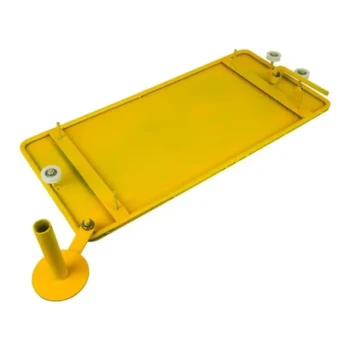
- HONESTBEE Durable Frame Wiring Board with Integrated Tensioner
- Wooden Bee Hive Frames for Beekeeping and Wholesale
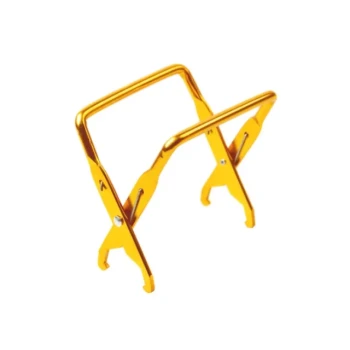
- Durable Galvanized Steel Frame Grip
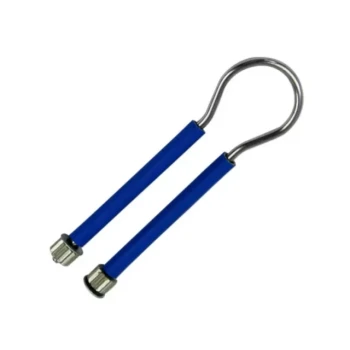
- HONESTBEE Loop Handle Frame Wire Crimper
People Also Ask
- What are the arguments for and against wiring beehive frames? Balance Durability and Management Flexibility
- What are the drawbacks of wiring beehive frames? Key Limitations and Structural Trade-offs Revealed
- How is the wire secured at the top of the frame? A Guide to Locking in Tension for Strong Honeycomb
- What factors determine the amount of wiring needed in beehive frames? Tailor Your Strategy for Your Climate
- What tools are needed to wire a beehive frame? Essential Equipment for Durable Frame Construction