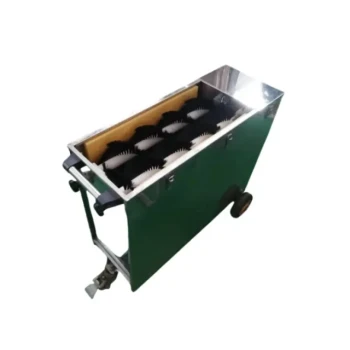
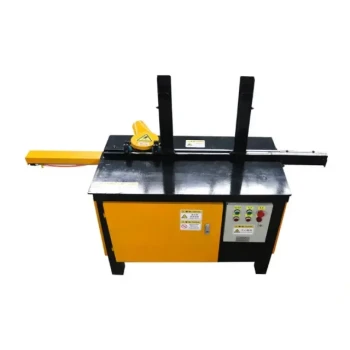
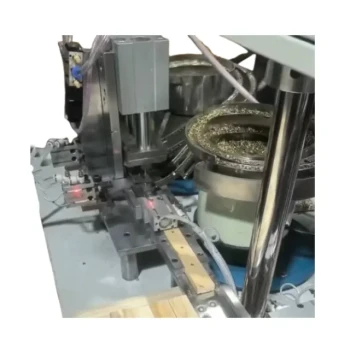
Modern beekeeping machinery acts as the primary catalyst for industrial transformation. It drives this shift by drastically reducing labor intensity and enforcing strict hygiene standards through tools like efficient honey extractors and protective equipment. This hardware serves as the physical foundation necessary to transition the sector from fragmented, household-level production to standardized, large-scale commercial operations.
By imposing physical standardization and mechanizing manual labor, modern tools remove the bottlenecks of traditional beekeeping. This technological shift allows operators to move from managing dozens of hives to thousands, unlocking economies of scale and enabling a fully commercialized supply chain.
The Role of Standardization in Scaling
Achieving Component Interchangeability
Industrial transformation relies on consistency. Specialized beehive manufacturing machinery, utilizing CNC milling and standardized molds, ensures extremely tight dimensional tolerances for frames and hive bodies. This precision allows for the complete interchangeability of parts between different hives.
Maintaining Critical "Bee Space"
Precision machinery strictly maintains the technical standard known as bee space. When dimensions are exact, bees are prevented from building wild wax or applying excess propolis between frames. This ensures internal components remain mobile, which is a prerequisite for using automated harvesting equipment later in the workflow.
Reducing Disease Risks
Standardized equipment facilitates better quarantine efficiency. Because frames can be easily swapped and isolated without physical modification, operators can manage disease transmission risks more effectively—a critical requirement for high-density commercial apiaries.
Enhancing Biological and Operational Efficiency
Optimizing Bee Energy
Modern machinery does not just help the beekeeper; it assists the colony. Precision-manufactured hives provide superior insulation and ventilation compared to handmade alternatives. This reduces the metabolic energy bees must expend on regulating nest temperature, allowing the colony to redirect that energy toward collecting pollen and nectar.
Enabling Migratory Beekeeping
The introduction of modern transport equipment drives a shift toward migratory operations. Advanced transport infrastructure allows beekeepers to move colonies rapidly over long distances to follow seasonal floral blooms. This mobility maximizes honey output and supports professional pollination services, which are vital for agricultural efficiency.
Scaling via Out-Apiary Management
Mechanized transport and standardized tools support the out-apiary management model. This system allows professional beekeepers to manage colonies distributed across vast geographic areas. It creates a pathway to scale operations from a few dozen hives to several thousand, achieving true industrial mass production.
Elevating Product Quality and Value
Ensuring Hygiene and Purity
Industrial-grade honey-filling machinery utilizes automated, sterile processing workflows. This ensures product consistency and purity from the source to the market, addressing the rigorous hygiene standards required by modern food safety regulations.
Increasing Commercial Viability
Efficient post-processing equipment significantly increases the added value of beekeeping products. By ensuring a standardized, high-quality end product, the industry attracts further commercial investment. This economic cycle incentivizes the maintenance of stable pollinator populations, which contributes directly to global food security.
Understanding the Trade-offs
Capital Intensity vs. Labor Intensity
While machinery reduces physical labor, it increases capital requirements. Shifting to industrial operations requires significant upfront investment in manufacturing hardware, transport fleets, and processing plants, which can be a barrier to entry for smaller, traditional farmers.
Dependency on Technical Infrastructure
The shift to mechanized production creates a dependency on maintenance and supply chains. Unlike traditional carpentry-based beekeeping, modern operations rely on the availability of spare parts for CNC machines, vehicles, and automated lines to maintain uptime.
Making the Right Choice for Your Goal
To effectively leverage modern machinery, you must align your equipment choices with your specific operational scale.
- If your primary focus is rapid scaling: Prioritize investment in transport equipment and standardized hive bodies to enable migratory beekeeping and out-apiary management.
- If your primary focus is operational efficiency: Invest in precision-milled frames that strictly adhere to bee space to reduce manual maintenance and facilitate automation.
- If your primary focus is market value: Focus on automated, sterile honey-filling machinery to guarantee product purity and meet high-end commercial standards.
True industrial transformation occurs not simply when you buy the tools, but when you utilize them to create a standardized, repeatable, and scalable production ecosystem.
Summary Table:
| Transformation Pillar | Key Machinery/Technology | Industrial Impact |
|---|---|---|
| Standardization | CNC Hive-making & Beehive Machines | Ensures part interchangeability and maintains critical 'bee space'. |
| Operational Scaling | Specialized Transport & Migratory Tools | Enables out-apiary management and mass-scale migratory beekeeping. |
| Product Quality | Automated Honey-filling & Extractors | Guarantees hygiene standards and increases commercial market value. |
| Efficiency | Precision-milled Frames | Reduces manual labor and optimizes bee colony energy expenditure. |
Scale Your Beekeeping Business with HONESTBEE
Transitioning from manual labor to an industrial-scale operation requires more than just tools—it requires a strategic partnership. HONESTBEE empowers commercial apiaries and distributors with a complete wholesale portfolio of professional-grade equipment.
How we add value to your business:
- Industrial Hardware: From precision CNC hive-making machines to high-speed honey-filling lines, we provide the foundation for automation.
- Comprehensive Supply Chain: We offer a full spectrum of beekeeping tools, machinery, and essential consumables to keep your operations running smoothly.
- Market Expansion: Enhance your brand with our honey-themed cultural merchandise and high-purity processing solutions.
Ready to transform your production capacity and lead the industry? Contact HONESTBEE today to discuss our wholesale solutions and technical support.
References
- Prem Raj Gautam, Ramji Gautam. Beekeeping: Practices, Opportunities and Challenges in Deupur, Parbat, Nepal. DOI: 10.3126/zooj.v5i0.34784
This article is also based on technical information from HonestBee Knowledge Base .
Related Products
- Stainless Steel J Hook Hive Tool for Beekeeping
- HONESTBEE 15-in-1 Beekeeper Multi-Tool with Hammer and Pliers for Beekeeping
- HONESTBEE Professional Mini J-Hook Hive Tool for Beekeeping
- Durable Galvanized Steel Frame Grip
- Multi-Function Plier-Style Frame Grip Hive Tool
People Also Ask
- What specific challenges do beekeeping hive tools address during hive maintenance? Essential Solutions for Apiaries
- What is a J-hook hive tool and why is it favored by some beekeepers? Master Gentle Frame Handling
- What are the features of a J-hook hive tool? Effortlessly Lift Frames with Superior Leverage
- What is the purpose of the J-hook hive tool? Effortlessly Lift Frames with Superior Leverage
- How is a J-hook hive tool designed and what is its primary use? Master Effortless Hive Inspections