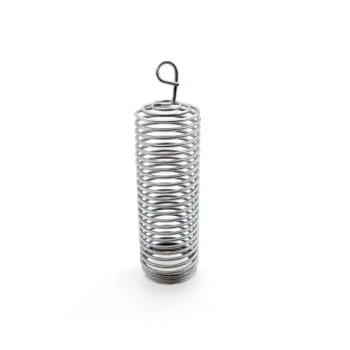
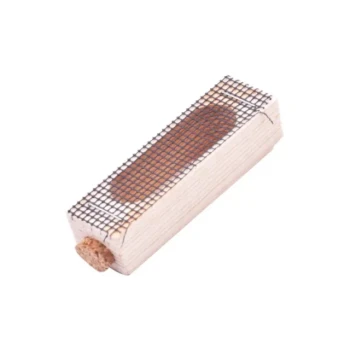
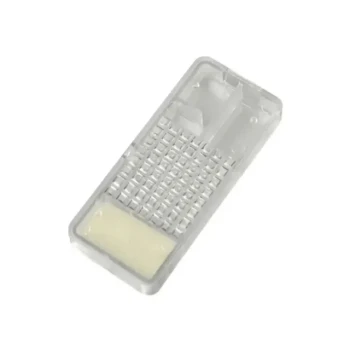
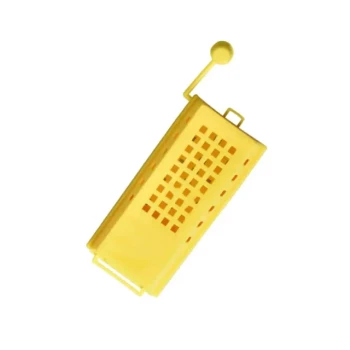
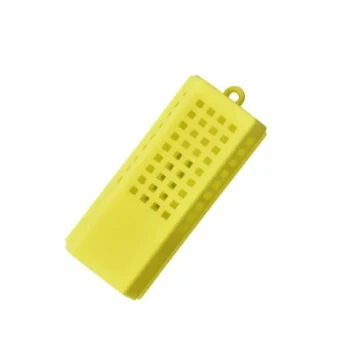
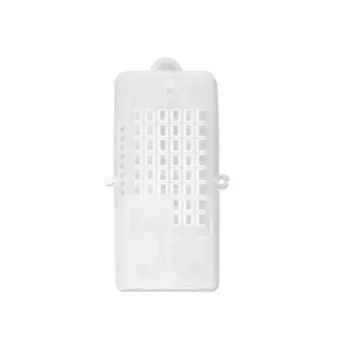
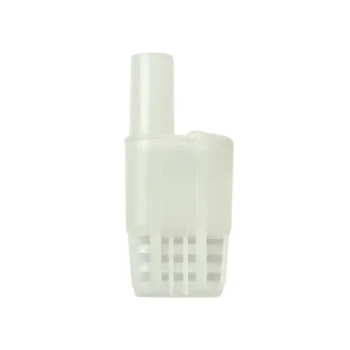
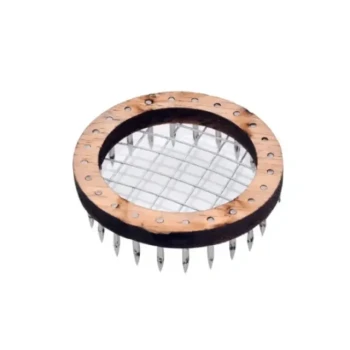
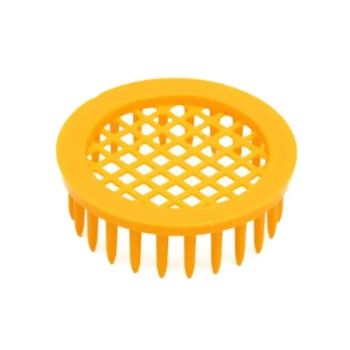
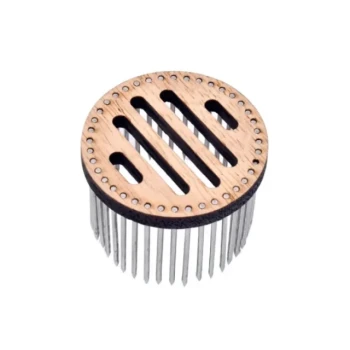
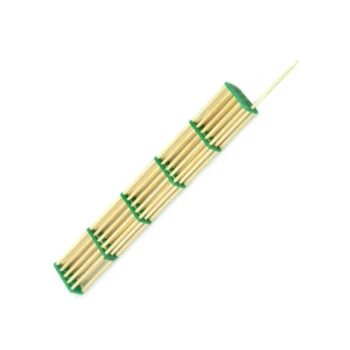
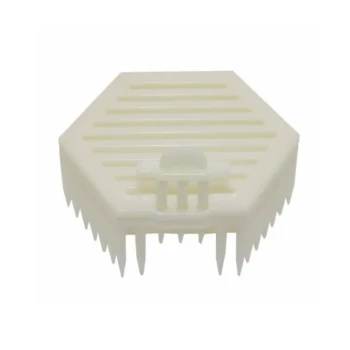
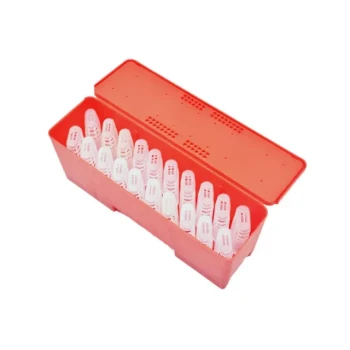
The queen cage serves as a vital protective interface that enables the safe introduction and management of queens within a colony. It functions primarily by creating a temporary physical barrier that prevents worker bees from attacking a new queen while allowing her unique pheromones to slowly diffuse throughout the hive.
Core Insight Direct introduction of a strange queen often triggers a defensive, lethal response from the colony. The queen cage solves this by forcing a gradual acclimation period, converting a potential conflict into a stable chemical integration.
The Mechanics of Safe Integration
Preventing Colony Rejection
When a new queen is introduced to an established colony, the workers often view her as a foreign invader. The queen cage acts as a shield against aggression, physically separating the queen from the workers.
This confinement is critical during sensitive operations such as queen replacement or artificial swarming. It ensures the queen remains unharmed while the colony investigates her presence.
Facilitating Pheromone Acclimation
Success in beekeeping relies heavily on scent. The mesh or openings in the cage allow for the slow diffusion of the queen's pheromones into the surrounding environment.
This controlled release allows the colony to gradually adjust to the new queen's scent signature. By the time the queen is released, the workers have accepted her pheromones as the colony's new norm, ensuring a smooth transition.
Broader Management Applications
Supporting Systematic Breeding
Beyond simple introduction, the queen cage is a cornerstone of systematic population breeding. It allows beekeepers to move away from relying on wild swarm capture and toward controlled colony division.
By securing the queen, apiarists can proactively expand their operation size. This control facilitates selective breeding for superior traits, enhancing overall production efficiency.
Identification and Tracking
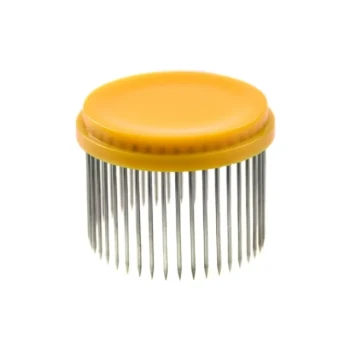
Specialized iterations of the cage, such as marking cages, allow beekeepers to safely restrain the queen for identification. This enables the application of a specific color mark to the queen's thorax.
This marking system allows the beekeeper to instantly determine the year the queen hatched. It makes locating her during future inspections significantly faster and aids in tracking her longevity and productivity.
Operational Standards and Trade-offs
Adhering to Organic Regulations
While the cage is a tool of control, its use is often bound by strict ethical and organic standards. In organic beekeeping, regulations typically prohibit the killing of the old queen during replacement.
Furthermore, practices such as clipping the queen's wings to prevent swarming are strictly forbidden. The focus is on respecting natural biological characteristics rather than imposing physical mutilation.
The Necessity of Documentation
Using a queen cage is not an isolated action; it requires rigorous traceability. To comply with modern standards, all hive information and operational details regarding queen replacement must be meticulously documented.
This ensures full traceability throughout the production process. Beekeepers must balance the physical utility of the cage with the administrative requirement of accurate record-keeping.
Making the Right Choice for Your Goal
Whether you are expanding your apiary or simply replacing an aging queen, the cage is your primary tool for stability.
- If your primary focus is Safe Introduction: Utilize the cage to confine the queen until her pheromones have fully integrated with the colony's scent, preventing rejection.
- If your primary focus is Colony Management: Use marking cages to identify the queen's age, ensuring you can track productivity and plan replacements accurately.
- If your primary focus is Ethical Compliance: Ensure your use of the cage aligns with organic regulations by avoiding wing clipping and documenting every replacement step.
Ultimately, the queen cage is not just a container; it is the essential bridge that transforms a foreign queen into the accepted heart of the colony.
Summary Table:
| Function | Primary Benefit | Key Use Case |
|---|---|---|
| Physical Shield | Prevents worker aggression and lethal rejection | Introducing a new queen or replacing an old one |
| Pheromone Diffusion | Ensures gradual colony-wide scent acclimation | Stable chemical integration of a foreign queen |
| Restraint & Access | Allows safe marking and identification | Tracking queen age, lineage, and productivity |
| Controlled Breeding | Enables proactive colony division | Expanding operation size and selective breeding |
Elevate Your Apiary Management with HONESTBEE
At HONESTBEE, we understand that the queen is the heart of your colony. As a leading provider for commercial apiaries and distributors, we offer a comprehensive wholesale range of high-quality beekeeping tools—from precision-engineered queen cages and marking tools to advanced honey-filling machines.
Whether you are scaling your operation or sourcing essential consumables, our expertise in specialized hardware and industry supplies ensures your success. Contact us today to discover how our professional-grade equipment can streamline your production and enhance your apiary’s efficiency.
References
- Apriyanita Pitri Ningrum, Wahyu Hidayat. Manajemen Penangkaran Lebah Madu (Apis Cerana Fabr.) Di Desa Buana Sakti Kecamatan Batanghari Kabupaten Lampung Timur. DOI: 10.23960/jsl1123-28
This article is also based on technical information from HonestBee Knowledge Base .
Related Products
- Durable Galvanized Steel Spring Queen Bee Cage
- Classic Wooden and Mesh California Queen Cage
- Professional Queen Bee Introduction and Transport Cage
- Professional Queen Cage with Sliding Gate and Feeder Plug
- Professional Multi-Compartment Queen Cage with Sliding Lid
People Also Ask
- Why are specialized queen bee cages used for the banking of mated queen bees? Maximize Commercial Apiary Storage Efficiency
- What is the mechanism of action for using temporary queen bee cages? Master Successful Queen Introduction
- What is the step-by-step process for installing a queen bee's cage onto a frame? Ensure Hive Acceptance Safely
- What is the optimal placement for a queen bee cage? Essential Strategies for Successful Re-queening
- What are the advantages and disadvantages of introducing a queen bee by embedding the cage? Boost Your Queen Acceptance