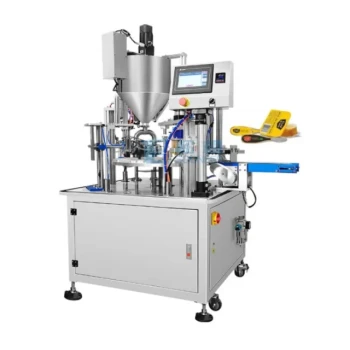
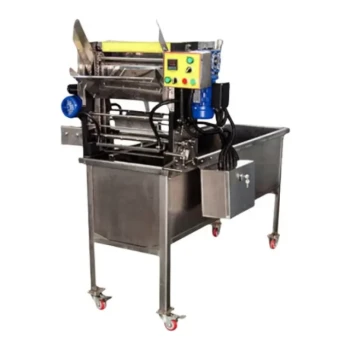
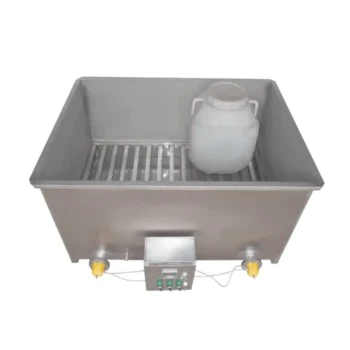
The specific format of your honey packaging is the primary driver for machine selection, dictating the mechanical architecture required for your production line. Because honey is a viscous fluid, the equipment used to fill a rigid glass jar operates on fundamentally different principles than the machinery required to form, fill, and seal a flexible sachet or squeeze tube.
Core Takeaway: The physical characteristics of your packaging—whether rigid or flexible—determine the necessary filling mechanism and automation level. Matching the machine to the specific container format is critical to ensuring fill accuracy, maintaining hygiene standards, and preventing costly product waste.
Aligning Equipment with Packaging Form Factors
To select the correct machine, you must first categorize your packaging into its physical format. Each type requires distinct handling capabilities.
Rigid Containers (Jars and Bottles)
If your product line relies on glass jars or plastic bottles, you require dedicated bottle filling equipment. These machines are engineered to handle stable, pre-formed containers.
Flexible Single-Servings (Sachets and Bags)
For high-volume, single-serving products, multi-lane sachet packing machines are the industry standard. These systems differ significantly from bottle fillers as they must simultaneously form the bag from film, fill it, and seal it. They are designed for speed and are ideal for mass-producing honey in sachet bags.
Narrow Formats (Sticks and Tubes)
Specific geometries require specialized tooling. If you are producing honey sticks, you need a stick pack machine designed to handle narrow, tube-like packaging. Similarly, honey tube filling machines are specifically engineered for portable squeeze tubes, ensuring the unique seal requirements of that format are met.
The Influence of Production Scale
While the packaging type dictates the kind of machine, your required output volume dictates the level of automation within that category.
Small-Scale Operations
For boutique producers filling approximately 50 to 200 jars per day, a semi-automatic machine is often sufficient. These units allow for flexibility with lower capital investment but require more manual intervention.
High-Throughput Manufacturing
Large-scale producers usually require fully automated systems to match demand. For example, multi-lane sachet machines or fully automatic bottle lines utilize high-precision metering systems to significantly increase throughput while minimizing labor costs.
Understanding the Trade-offs: Viscosity and Hygiene
Honey presents unique challenges due to its sticky, viscous nature. The "best" machine for a specific package must also account for maintenance and product integrity.
The Maintenance Trade-off
Complex packaging formats can lead to complex cleaning routines. Because honey leaves sticky residues, you must prioritize machines with easy-to-remove parts. If a machine is difficult to disassemble, residue from previous batches can cause contamination, shortening the equipment's lifespan and risking food safety.
Precision vs. Waste
Inaccurate filling leads to spillage, sticky exteriors, and product waste. Automated machines using volumetric or mass-based metering are essential for maintaining consistency. This prevents overfilling (giving away product) or underfilling (violating regulations), regardless of the packaging shape.
Hygiene and Contamination
Manual operations increase the risk of microbial issues. Automated filling machines create a sterile environment, minimizing the risk of secondary contamination. This is vital for meeting international food safety regulations and ensuring a professional, shelf-ready appearance.
Making the Right Choice for Your Goal
Select your machinery based on where your product needs to compete in the market.
- If your primary focus is high-volume single servings: Prioritize multi-lane sachet or stick pack machines to maximize throughput and ensure consistent sealing for flexible films.
- If your primary focus is boutique or artisanal jars: Start with a semi-automatic bottle filler that offers easy cleaning and precise volumetric dosing for small batches.
- If your primary focus is mass-market retail bottles: Invest in fully automated filling lines that guarantee consistent volume, hygiene compliance, and a professional aesthetic for competitive markets.
The right machine does not just fill a container; it preserves the integrity of your honey and ensures your operation remains sanitary and efficient.
Summary Table:
| Packaging Format | Machine Type Recommended | Best Use Case | Key Advantage |
|---|---|---|---|
| Rigid Jars & Bottles | Bottle Filling Machine | Retail & Boutique Glass/Plastic | Stability and precise volumetric dosing |
| Single-Serve Sachets | Multi-lane Sachet Machine | High-volume mass market | Simultaneous form, fill, and seal efficiency |
| Sticks & Tubes | Stick Pack / Tube Filler | Portable & Travel-sized honey | Specialized tooling for narrow geometries |
| Small Batches | Semi-Automatic Filler | Artisanal/Boutique (50-200 units) | Lower capital cost and high flexibility |
Scale Your Honey Business with HONESTBEE
Choosing the right equipment is vital for maintaining honey purity and operational efficiency. At HONESTBEE, we specialize in supporting commercial apiaries and distributors by providing a comprehensive range of beekeeping tools, specialized machinery, and essential consumables.
Whether you need honey-filling machines for artisanal jars or high-speed sachet packing lines for mass distribution, our expert-grade hardware is designed to handle the unique viscosity of honey while ensuring peak hygiene. Beyond machinery, we offer everything from hive-making equipment to honey-themed cultural merchandise to help you build a complete brand.
Ready to upgrade your production? Contact us today to find the perfect machinery tailored to your packaging goals and market needs!
Related Products
- Automatic Single-Dose Snap & Squeeze Honey Sachets Packing Machine
- Fully Automatic Honey Filling Packaging Machine for Processing Line
- Precision Automated Packaging Turntable Honey Spoon Filling Sealing Packing Machine
- Economy Small Honey Filling Machine Honey Bottle Filler Packaging Machine
- Honey Stick Filler Vertical Paste Sachet Packing Machine for Honey Sachets
People Also Ask
- What are the advantages of honey sachet packing machines? Boost Efficiency & Unlock New Markets
- What are the main functions of a honey sachet packing machine? Boost Efficiency with Automated Precision
- How does an industrial-grade honey sachet packaging machine assist beekeepers in accessing public institution markets?
- Why is automated packaging machinery essential for scaling industrial honey production? Drive Commercial Scalability
- How does the viscosity of honey influence packaging choices? Selecting the Best Containers & Machinery