Professional breeding equipment and techniques are the critical enablers of a high-yield strategy centered on systematic queen replacement. By utilizing these tools to replace queens every 1 to 2 years, beekeepers ensure their colonies are led by young, vigorous queens with superior egg-laying capabilities. This directly prevents the colony decline associated with aging queens and maximizes the workforce available for honey collection.
The Core Insight: Honey production is strictly a numbers game: more bees equal more foraging capacity. Regular queen replacement using professional breeding technology is the most effective way to maintain peak population density and disease resistance, serving as the "biological engine" for superior hive yields.
The Biological Impact on Production
Maximizing the Workforce
The primary driver of honey yield is the total population of the colony. Young queen bees possess significantly higher egg-laying rates compared to older queens. A constant influx of new brood ensures a massive workforce is available to forage when nectar flows occur.
Preventing Colony Decline
Colonies naturally decline as a queen ages and her pheromone signal weakens. By replacing queens before they senesce (typically every 1 to 2 years), you eliminate the production dips caused by a failing monarch. This proactive approach maintains the hive at a constant state of "growth" rather than "survival."
Strengthening Disease Resistance
A robust colony is naturally more resistant to pathogens. Professional breeding techniques often select for hygienic traits and vigor, resulting in stronger individual bees. A disease-free hive can dedicate its energy to honey production rather than repairing biological damage.
The Role of Professional Technology
Precision in Replacement Cycles
Professional breeding equipment allows for the controlled rearing of queens. This technology ensures that replacement queens are available exactly when needed, rather than relying on the hive's natural, unpredictable swarming impulses. Consistency in timing is essential for synchronizing peak population with peak floral blooming.
Enabling Deep Management
While the queen is central, the equipment surrounding her management is equally vital. Protective gear and specialized tools allow beekeepers to perform deep, regular inspections without fear of injury. This safety encourages frequent monitoring of the queen's performance, ensuring she is replaced immediately if her output falters.
Scientific Hive Management
Advanced hive structure systems work in tandem with good genetics. These tools allow beekeepers to manage the internal space of the hive to accommodate the rapid population growth driven by a young queen. Data suggests that when efficient management is combined with strong genetics, yield growth rates can outpace the growth of the colony count itself.
Understanding the Trade-offs
Operational Complexity
Implementing a professional breeding and replacement program requires a higher technical skill set. It moves beekeeping from a passive activity to an active, scientifically managed operation. Beekeepers must be trained in grafting, mating biology, and precise calendar management.
Resource Investment
There is an upfront cost to professional breeding equipment and protective gear. Furthermore, replacing queens every 1-2 years is labor-intensive compared to letting a queen survive for her natural lifespan (3-5 years). However, the return on investment is realized through significantly higher and more consistent honey harvests.
Making the Right Choice for Your Goal
To leverage queen replacement for maximum output, align your strategy with your specific objectives:
- If your primary focus is Maximum Honey Yield: Rigorously adhere to a 1-year or 2-year replacement cycle to ensure peak egg-laying capacity during nectar flows.
- If your primary focus is Colony Stability: Use breeding equipment to select specifically for disease resistance traits, reducing the likelihood of colony collapse.
- If your primary focus is Operational Safety: Invest in high-quality protective consumables to facilitate the frequent, deep inspections required for aggressive queen management.
Systematic queen replacement is not just a maintenance task; it is the fundamental investment that dictates the ceiling of your honey production.
Summary Table:
| Factor | Young Queen (1-2 Years) | Aging Queen (3+ Years) | Impact on Production |
|---|---|---|---|
| Egg-Laying Rate | High & Consistent | Declining & Irregular | Directly dictates workforce size |
| Pheromone Signal | Strong; inhibits swarming | Weak; triggers colony decline | Maintains hive stability and focus |
| Disease Resistance | Higher vigor & hygienic traits | Lower; more susceptible | Reduces energy lost to recovery |
| Honey Yield | Peak performance | Significant dips | Maximizes ROI per hive |
Maximize Your Colony’s Potential with HONESTBEE
At HONESTBEE, we understand that high-yield honey production starts with superior queen management and professional-grade tools. We cater specifically to commercial apiaries and distributors, providing a comprehensive wholesale range that includes everything from specialized hive-making and honey-filling machinery to high-quality beekeeping consumables and protective gear.
Whether you are scaling your operation or supplying the industry, our portfolio is designed to enhance efficiency and biological performance. Partner with us to access the equipment that fuels the "biological engine" of your hives.
Ready to elevate your production? Contact us today for wholesale inquiries and expert equipment solutions!
References
- Mustafa Bahadır ÇEVRİMLİ, Engin Umut Sakarya. Arıcılık işletmelerinin yapısal özellikleri ve sorunları; Ege Bölgesi örneği. DOI: 10.15312/eurasianjvetsci.2018.187
This article is also based on technical information from HonestBee Knowledge Base .
Related Products
- Retractable Chinese Queen Rearing Grafting Tools Equipment
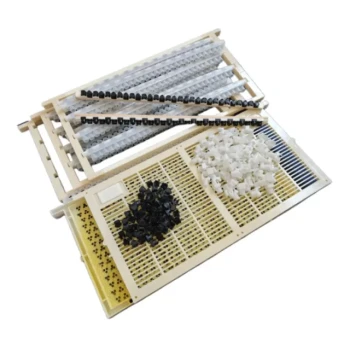
- No Grafting Queen Rearing Kit: System for Royal Jelly Production and Queen Rearing
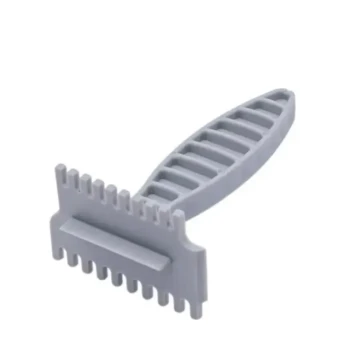
- Lightweight Durable Plastic Queen Excluder Scraper for Beekeeping
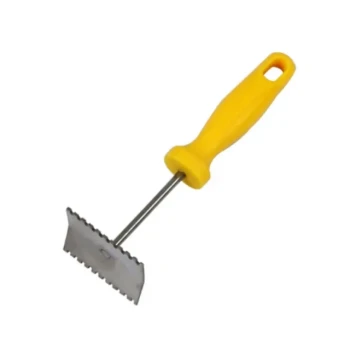
- Stainless Steel Scraper for Metal Queen Bee Excluders
- Stainless Steel Queen Grafting Tool for Beekeeping and Bee Queen Grafting
People Also Ask
- Which specialized tools are necessary for implementing standardized queen rearing? Scale Your High-Yield Apiary
- Why are specialized queen rearing tools necessary to mitigate winter hive losses? Boost Apiary Survival and Recovery
- How do queen-rearing tools facilitate the sustainability and expansion of a commercial apiary? Drive Scalable Growth
- In what ways do modern queen rearing equipment and grafting tools improve competitiveness? Boost Breeding Success Rate
- How do queen rearing tools and queen introduction hardware support commercial apiaries? Manage Queen Failure Effectively