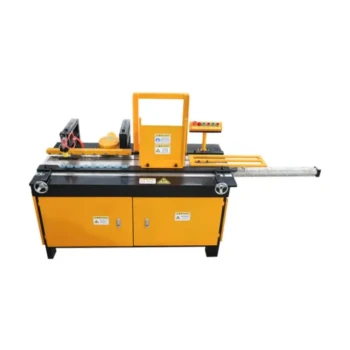
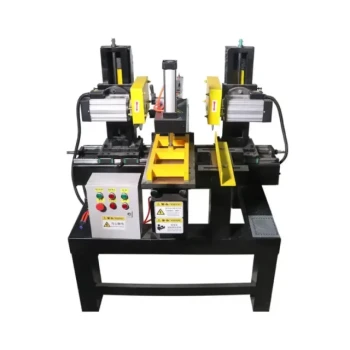
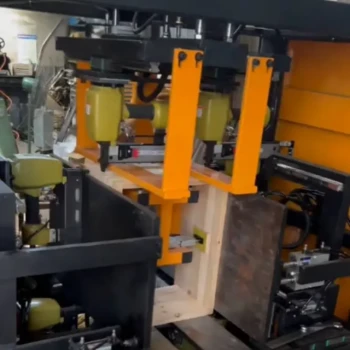
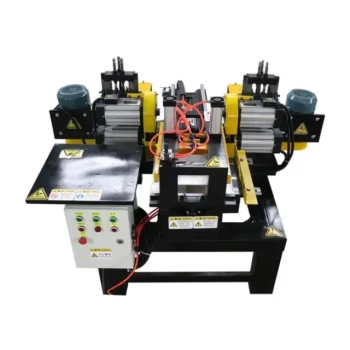
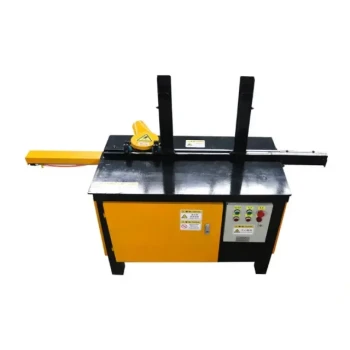
Specialized hive-making machines fundamentally transform apiary management by generating equipment with industrial-grade precision. By moving away from variable components to standardized dimensions, beekeepers can implement mechanized workflows, ensure seamless component interchangeability, and maintain rigorous disease control protocols.
The deployment of precision machinery establishes the hardware foundation required for Good Beekeeping Practices (GBPs), significantly reducing labor overhead while stabilizing colony health through superior environmental control.
The Operational Impact of Standardization
Seamless Component Interchangeability
The primary benefit of machine-produced equipment is the uniformity of frames and boxes. When every component is manufactured to precise dimensions, beekeepers can move frames between different colonies without friction.
This interchangeability simplifies critical tasks such as hive inspections and resource balancing. It allows for the rapid replacement of equipment, streamlining daily operations and reducing the time the hive remains open during checks.
Enabling Mechanized Workflows
Standardization is the prerequisite for industrial-scale automation. specialized machinery ensures that hive bodies fit compatible honey harvesting equipment and uncapping machines.
Without the tight tolerances provided by automated hive-making machines, mechanized harvesting would result in equipment jams or damage to the comb. This consistency allows for the efficient processing of large volumes of honey, directly increasing production efficiency.
Data-Driven Apiary Management
Uniform hive specifications create a controlled environment that acts as a baseline for measurement. Beekeepers can accurately record and compare colony size and honey production capacity across different locations.
This converts scattered apiary sites into quantifiable data points. It facilitates ecological modeling and allows managers to make evidence-based decisions regarding production stability and resource allocation.
Enhancing Colony Health and Biosecurity
Optimizing Environmental Control
High-precision woodworking machinery creates hive structures with tighter fits and fewer gaps. This structural integrity is critical for optimizing temperature and humidity management within the colony.
By reducing exposure to external weather fluctuations, standardized hives lower environmental stress on the bees. This stable breeding environment reduces mortality rates and mitigates risks associated with conditions like Colony Collapse Disorder.
Disease and Pest Mitigation
Machine-manufactured bases and tight-fitting components provide a physical barrier against threats. Standardized bases effectively elevate colonies, blocking ground moisture and preventing infestations from soil-dwelling pests.
Furthermore, the ability to easily swap and sterilize standardized frames is essential for large-scale disease prevention. This supports a proactive approach to biosecurity, extending the lifespan of the hardware and the health of the bees.
Logistics and Scalability
Streamlining Transport and Logistics
For migratory beekeeping operations, precision hardware facilitates the stacking and securing of hives. Standardized dimensions ensure that hives fit perfectly onto pallets and trucks, maximizing space usage.
This efficiency is vital for operations that deploy colonies for pollination services. It allows for rapid, flexible deployment according to crop flowering periods, thereby diversifying economic revenue.
Professional Workflow Organization
Using standardized equipment fosters a professional, organized presentation of scientific beekeeping workflows. It eliminates the chaotic management of mismatched gear.
This organization is not merely aesthetic; it reduces the cognitive load on the beekeeper, allowing them to focus on biological management rather than hardware troubleshooting.
Understanding the Trade-offs
High Initial Capital Investment
Transitioning to machine-produced, standardized equipment often requires a significant upfront financial commitment. Beekeepers must weigh the long-term labor savings against the immediate cost of purchasing specialized machinery or buying premium, machine-milled components.
Rigidity of Standardization
While standardization offers efficiency, it can limit flexibility in unique micro-climates that might require non-standard hive modifications. Reliance on strict industrial standards means beekeepers must adapt their methods to the equipment, rather than adapting equipment to the method.
Making the Right Choice for Your Goal
To maximize the benefits of specialized hive-making technology, align your equipment strategy with your specific operational targets:
- If your primary focus is Commercial Honey Production: Prioritize equipment compatibility with automated extraction lines to maximize throughput and minimize labor costs.
- If your primary focus is Colony Health and Survival: Focus on the precision of hive joints and bases to ensure optimal insulation, humidity control, and pest exclusion.
- If your primary focus is Migratory Beekeeping: Select equipment based on stacking efficiency and durability to withstand the physical stress of frequent transport.
Standardization is not just about convenience; it is the structural mechanism that allows an apiary to scale from a hobby into a viable, disease-resistant enterprise.
Summary Table:
| Key Factor | Impact on Apiary Management | Primary Benefit |
|---|---|---|
| Standardization | Universal component dimensions | Seamless interchangeability & faster inspections |
| Mechanization | Compatibility with automated lines | Increased honey harvesting throughput |
| Structural Precision | Tighter hive joints & fits | Enhanced climate control & disease mitigation |
| Logistics | Uniform palletized dimensions | Optimized transport for migratory beekeeping |
| Data Accuracy | Controlled environmental baseline | Evidence-based decision making & modeling |
Scale Your Apiary with HONESTBEE Precision Equipment
Are you ready to transform your commercial operations? HONESTBEE caters specifically to commercial apiaries and distributors with a comprehensive wholesale offering. We supply the full spectrum of beekeeping tools, machinery, and equipment—including industrial hive-making machines, honey-filling hardware, and essential consumables.
By partnering with us, you gain access to the hardware foundation required for Good Beekeeping Practices (GBPs), ensuring your operation achieves industrial-grade efficiency and superior colony health.
Contact our experts today to learn how our equipment can drive your production growth!
References
- Mohamad Al Kilani. Optimizing Good Apiculture Practices for Premium Honey Production: An Overview. DOI: 10.59735/arabjhs.vi25.376
This article is also based on technical information from HonestBee Knowledge Base .
Related Products
- High-Efficiency Pneumatic Bee Hive Making Machine for Rapid Box Assembly
- Mini Desktop Bee Hive Frame Forming Making Machine
- Beehive Handle and Frame Rest Cutting Machine: Your Specialized Hive Machine
- Beehive Machine Double End Saw for Precision Hive Component Manufacturing
- Automatic High-Speed Bee Hive Box Stapling Machine
People Also Ask
- How does the introduction of professional beehive-making machinery benefit sustainable beekeeping? Scale Your Apiary
- Why is specialized beehive-making machinery critical for low-defense breeding? Enhance Selection with Precision Tools
- How does the introduction of specialized beehive making machinery contribute to increasing the scale of regional beekeeping industries?
- What is the importance of specialized beehive making machinery in a circular bio-economy? Build Local Sustainability
- Why is specialized beehive-making machinery essential? Scale Your Apiary with Precision Industrial Standards