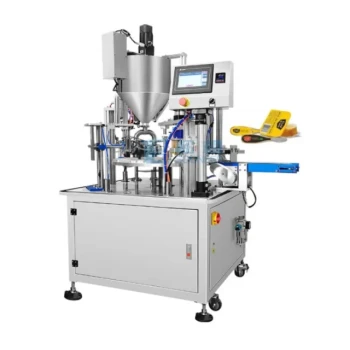
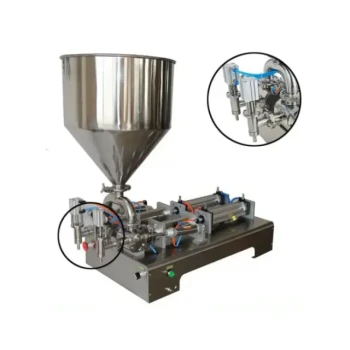
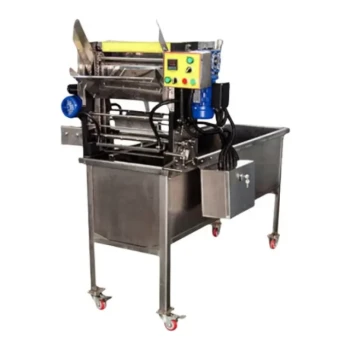
The utilization of automated honey filling and processing equipment influences biosecurity compliance primarily by altering the economic risk profile of the apiary. Because these machines represent significant capital investments requiring stable throughput, they can create a strong financial disincentive to report disease outbreaks if doing so results in a shutdown. However, when reconstruction plans include compensation or technical support for these "idle losses," this financial fear is neutralized, leading to higher reporting rates and a stronger overall biosecurity barrier.
Core Insight: The high fixed cost of automated machinery creates "production pressure" that can discourage beekeepers from reporting infections. To ensure biosecurity compliance, the financial strategy must explicitly account for the cost of keeping these high-value assets idle during a disease outbreak.
The Economic Impact on Disease Reporting
The Pressure of Idle Assets
Automated filling machines and backend processing units are high-value assets that rely on consistent honey production to generate a return on investment. If an apiary halts operations due to a biosecurity protocol, these expensive machines sit idle, generating losses instead of revenue.
Incentivizing Transparency
The fear of business interruption and the resulting financial strain from idle machinery is a primary reason beekeepers may fail to report infections. To counter this, effective apiary reconstruction policies should provide compensation or technical support specifically for these idle assets.
Strengthening the Biosecurity Barrier
When the financial penalty for pausing production is mitigated, the beekeeper's hesitation to report disease decreases. This economic safety net directly translates to improved compliance, ensuring that infections are identified and contained early rather than hidden to protect cash flow.
Operational Biosecurity Benefits
Closed-Loop Traceability
Beyond the financial aspects, automated equipment enables a closed production cycle from hive to bottle. This system preserves the "pollen fingerprint" of the honey, ensuring it matches the apiary's original profile and protecting against unauthorized adulterants like sugar syrup.
Reducing External Contamination
Automated lines reduce human contact and the risk of introducing external contaminants during the filling process. This hardware foundation is essential for maintaining strict hygiene standards and supporting a reliable quality assurance system.
Asset Preservation and Sanitation
Mechanized centrifugal extraction preserves the honeycomb structure, allowing high-value wax combs to be reused. However, this reuse requires adherence to standard processing protocols to prevent the combs from becoming breeding grounds for pests like wax moths.
Understanding the Trade-offs
High Overhead vs. Biological Volatility
While automation increases efficiency and market competitiveness, it introduces high fixed overheads. This makes the business more fragile to biological shocks (diseases) compared to low-tech operations, which have lower "idle costs."
The Necessity of Protocols
Possessing advanced machinery is not a silver bullet; it requires rigorous adherence to operational protocols. Without standardized processing of extracted frames, the equipment itself can facilitate the spread of pests or fail to deliver the expected hygiene benefits.
Making the Right Choice for Your Goal
To leverage automation for biosecurity effectively, consider your primary objective:
- If your primary focus is improving disease reporting rates: Implement financial support mechanisms that compensate for the specific "idle losses" of high-value machinery during outbreaks.
- If your primary focus is product safety and authenticity: Utilize closed-loop automated filling systems to maintain pollen fingerprints and prevent external contamination.
- If your primary focus is sustainable asset management: Adopt centrifugal extraction methods combined with strict post-extraction processing to protect wax combs from pests like wax moths.
Ultimately, automated equipment strengthens biosecurity only when the economic risk of pausing that equipment is removed from the beekeeper's decision-making process.
Summary Table:
| Aspect | Influence on Biosecurity | Key Benefit |
|---|---|---|
| Economic Risk | Reduces reporting fear when idle-loss support is provided | Higher disease reporting rates |
| Traceability | Closed-loop systems preserve "pollen fingerprints" | Prevents honey adulteration |
| Contamination | Minimizes human contact during the filling process | Enhanced hygiene and product safety |
| Asset Protection | Centrifugal extraction preserves honeycomb structure | Sustainable wax comb reuse |
| Process Control | Automated protocols standardize sanitation | Mitigates pest and disease spread |
Elevate Your Apiary's Standards with HONESTBEE
Transitioning to automated systems is a significant investment that requires the right partner to ensure both productivity and biosecurity. HONESTBEE specializes in supporting commercial apiaries and distributors with a comprehensive range of professional solutions. From high-precision honey-filling machines and hive-making hardware to specialized machinery and essential consumables, we provide the tools you need to build a resilient, high-throughput operation.
Don't let the fear of idle assets compromise your biosecurity protocols. Partner with us to integrate advanced technology that protects your product's authenticity and your business's longevity.
Ready to modernize your production line?
Contact HONESTBEE today for expert wholesale solutions
References
- Cristina Salvioni, Simone Cerroni. Eliciting beekeepers’ preferences for the small hive beetle control policy in Italy: a contingent valuation survey approach. DOI: 10.1186/s40100-023-00273-8
This article is also based on technical information from HonestBee Knowledge Base .
Related Products
- Fully Automatic Honey Filling Packaging Machine for Processing Line
- Automatic Honey Filling and Filtering Machine for Beekeeping Bottle Filling
- Precision Durable Efficient HONESTBEE Rotary Honey Filling Machine
- Precision Automated Packaging Turntable Honey Spoon Filling Sealing Packing Machine
- Semi Automatic Small Honey Bottle Filling Machine Honey Filler
People Also Ask
- Why are fully automatic honey filling and packaging lines essential? Boost Your Honey's Market Value and Quality
- What is a fully-automatic honey filler? Streamline Your Production with High-Precision Automation
- How do automated honey filling and packaging machines affect profitability? Boost Margins with HONESTBEE Technology
- How do automated honey filling and packaging machines contribute to the market value of honey products? Maximize Your ROI
- How do industrial-grade automated honey filling and packaging machines mitigate the risk of physical contamination?