Varroa destructor spreads Deformed Wing Virus by turning feeding into an efficient transmission route. The mite reproduces in capped brood and feeds on developing bees, exposing them to DWV through contaminated feeding wounds and mite-associated virus particles. This can transform a covert infection into overt disease, producing deformed wings, shortened abdomens, weakened workers, pupal death, and eventually severe colony decline. The most effective equipment strategy is therefore an integrated monitoring and treatment system that keeps mite populations low before viral damage accelerates.
Varroa control is DWV control. Screening boards, mite-counting tools, accurate treatment applicators, and systematic colony records help beekeepers detect infestation early, apply interventions precisely, and protect colonies through the critical pre-winter period.
How Varroa Amplifies DWV in the Colony
The Mite Creates a Direct Transmission Opportunity
DWV can circulate in colonies without obvious symptoms. It may pass between bees, through reproductive routes, or through food shared with larvae while remaining relatively difficult to detect visually.
Varroa changes the risk profile by feeding directly on developing and adult bees. During feeding, the mite can facilitate virus entry beyond the bee’s normal oral exposure defenses, increasing the likelihood of systemic infection.
The Pupal Stage Is Especially Important
Varroa mites reproduce in capped brood cells, where developing bees are vulnerable and difficult for beekeepers to inspect directly. Mite feeding during the pupal stage is strongly associated with overt DWV infections.
Infected pupae may die before emergence. Those that emerge can show deformed wings, bloated abdomens, poor mobility, and reduced longevity, leaving the colony with fewer effective workers.
Viral Damage Extends Beyond Visible Symptoms
A colony does not need to display large numbers of visibly deformed bees before suffering meaningful damage. Infected workers may appear normal but have impaired immune function, reduced lifespan, or diminished capacity to perform essential tasks.
As mite levels rise, the colony can enter a reinforcing cycle: more mites increase virus transmission, infection weakens bees, and weakened colonies become less able to control the infestation.
Equipment That Supports Effective Varroa Management
Mite-Screening Bottom Boards
A screened bottom board separates falling mites from the bees and allows them to be collected on a removable monitoring surface. A sticky insert or counting sheet can make mite drops easier to quantify.
These boards are useful for trend monitoring, especially when checked consistently. They should support, rather than replace, more direct diagnostic methods because natural mite fall does not always provide a complete picture of colony infestation.
Alcohol Wash and Sugar Roll Kits
Alcohol wash kits provide a more direct estimate of mites on adult bees. Sugar roll testers offer a less destructive field method, although their results can be affected by sampling technique and environmental conditions.
The key requirement is standardized sampling. Beekeepers should use consistent bee sample sizes, locations, timing, and counting procedures so that results can be compared across inspections.
Sticky Boards and Counting Tools
Sticky boards help capture and count mites after natural drop or a controlled monitoring period. Clear grids, magnification, trays, and recording forms can improve counting accuracy for commercial operations managing many colonies.
For distributors and wholesalers, these tools are particularly valuable as part of a complete monitoring package rather than as isolated products.
Treatment Applicators and Fumigators
Treatment applicators help deliver approved Varroa-control products at a measured and repeatable dose. Depending on the product and local regulations, equipment may include acid applicators, vaporization devices, or essential-oil diffusion systems.
The applicator must match the treatment label, colony conditions, temperature limits, and operator-safety requirements. Equipment should improve precision; it should not be used to compensate for incorrect product selection or dosing.
Observation and Inspection Equipment
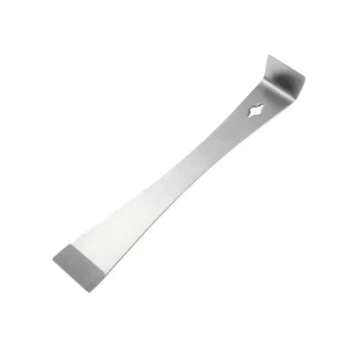
Hive tools, protective equipment, lighting, inspection trays, and visual recording tools help operators identify clinical signs such as deformed wings, crawling bees, reduced flight capability, or abnormal brood.
Photographs and systematic records can reveal changes that are easy to miss during a single inspection. Where available, laboratory testing can then provide more definitive information about DWV presence or viral load.
Why Timing and Measurement Matter
Monitor Before Symptoms Appear
Visible wing deformities indicate that viral damage has already become significant in at least part of the colony. Waiting for these signs can allow mite populations and virus levels to increase beyond the point where a colony can recover easily.
Routine mite monitoring provides an earlier decision point. It allows operators to respond based on infestation data rather than relying only on visible disease.
Treat According to Colony Conditions
Treatment timing should account for mite counts, brood presence, temperature, honey-flow conditions, product restrictions, and the colony’s production status. A single calendar-based treatment schedule is less reliable than a measured, situation-specific program.
Commercial operators should also maintain records of product, dose, date, colony identification, and follow-up mite counts. This creates an auditable process and helps identify treatments that are losing effectiveness.
Protect the Winter Population
Mite control before winter is especially important because winter bees must survive for an extended period and maintain the cluster until new brood production resumes. Varroa exposure and associated DWV infection can shorten their lifespan and reduce the colony’s ability to overwinter.
Monitoring equipment and accurate applicators are therefore not only seasonal production tools. They support the colony’s long-term survival.
Designing a Practical Equipment Program
Build a Monitoring Workflow
A reliable workflow includes a sampling tool, a mite-counting surface, clear documentation, and a defined response threshold based on local recommendations. The objective is to detect change early and verify whether an intervention worked.
For larger apiaries, standardized kits reduce variation between workers and inspection sites. Consistency improves purchasing decisions as well as biological management.
Combine Physical and Treatment Tools
Screened bottom boards and counting boards provide ongoing surveillance. Alcohol wash or sugar roll kits provide direct infestation estimates, while treatment applicators deliver the selected intervention with greater consistency.
Used together, these tools create a feedback loop: measure, treat when justified, and measure again.
Stock Consumables With Hardware
Monitoring and treatment equipment often depends on recurring consumables, including sticky inserts, collection sheets, approved treatment materials, protective filters, and replacement components. A one-stop supplier can reduce downtime by making compatible items available together.
For B2B resellers, bundled product categories also simplify customer procurement. The strongest offering combines hardware, consumables, technical product guidance, and responsive fulfillment.
Understanding the Trade-offs
Monitoring Tools Are Not Interchangeable
A mite drop board measures falling mites, while an alcohol wash estimates mites present on adult bees. These methods answer related but different questions, so results should not be treated as directly equivalent.
Low mite drop does not automatically prove that a colony has a low infestation. Direct sampling is often needed when the decision has significant consequences.
More Treatment Is Not Always Better
Over-application can stress colonies, damage brood, contaminate hive products, or create unnecessary exposure for operators and bees. It can also encourage poor management decisions when treatments are used without confirming the underlying mite burden.
Precision matters more than intensity. Follow the approved label and verify treatment performance with post-treatment monitoring.
Equipment Cannot Replace Integrated Management
No device eliminates DWV independently. Equipment is effective only when it supports a broader program that includes regular inspections, appropriate treatment rotation, resistant-stock management where available, brood and colony management, and timely follow-up.
Mechanical tools can reduce risk, but they do not remove the need for informed decisions and trained personnel.
Product Claims Require Careful Verification
Suppliers should avoid presenting monitoring devices as diagnostic tests for DWV itself unless they are specifically validated for that purpose. Mite-counting equipment measures infestation pressure; visual inspection identifies suggestive clinical signs; laboratory methods are needed for definitive virus analysis.
Clear product specifications and responsible technical support protect both reseller credibility and beekeeper outcomes.
Making the Right Choice for Your Goal
The appropriate equipment portfolio depends on whether the priority is operational scale, treatment precision, or early disease-risk detection.
- If your primary focus is commercial apiary efficiency: Standardize mite sampling kits, counting boards, inspection supplies, and treatment applicators across colonies so teams can monitor and respond consistently.
- If your primary focus is distributor or reseller value: Offer a complete Varroa-management range with compatible hardware, recurring consumables, technical guidance, rapid response, and reliable order fulfillment.
- If your primary focus is colony survival: Monitor mite levels before visible DWV symptoms appear, treat according to approved instructions, and confirm the result with follow-up counts.
- If your primary focus is honey and colony quality: Use measured applications and documented monitoring to avoid unnecessary medication and protect bees, brood, and hive products.
- If your primary focus is winter preparation: Prioritize timely pre-winter mite reduction so long-lived winter bees are not weakened by Varroa feeding and associated DWV infection.
A measured equipment program that detects Varroa early and supports precise intervention gives beekeepers the best practical opportunity to interrupt the Varroa-DWV cycle and preserve productive colonies.
Summary Table:
| Equipment/Strategy | Purpose | Key Feature |
|---|---|---|
| Mite-Screening Bottom Boards | Monitor mite fall trends | Removable sticky insert for counting |
| Alcohol Wash / Sugar Roll Kits | Direct mite load estimation | Standardized sampling for accuracy |
| Sticky Boards & Counting Tools | Accurate mite counts | Grids and magnification for precision |
| Treatment Applicators | Precise miticide delivery | Measured doses, label compliance |
| Observation & Inspection Gear | Early DWV detection | Visual signs, record keeping |
Protect your apiaries from Varroa and DWV with HONESTBEE's comprehensive range of monitoring and treatment equipment. From mite-counting boards to precision applicators, we supply everything you need for effective colony management. Our wholesale solutions are designed for commercial apiaries and distributors, ensuring fast delivery and dedicated support. Contact us today to discuss your requirements and secure a reliable supply for your business! Get in touch.
Related Products
- Ergonomic Plastic Frame Spacer Tool for Rapid Hive Management Beekeeping
- Yellow Plastic Bucket Pail Perch for Beekeeping
- Wooden Bee Hive Frames for Beekeeping and Wholesale
- Plastic Bee Frame Beekeeping Hive Frames for Wholesale
- Heavy-Duty Ergonomic Grip Galvanized Pollen Shovel
People Also Ask
- What specific challenges do beekeeping hive tools address during hive maintenance? Essential Solutions for Apiaries
- How do specialized beehive management tools support high-purity honey production? Master Monofloral Isolation
- How do specialized beehive management tools assist in the routine maintenance of bee colonies? Boost Hive Efficiency
- What additional equipment might be useful for beekeeping? Boost Hive Health & Efficiency
- How do traditional harvesting tools like axes and machetes negatively affect bee colonies? Upgrade to Professional Gear