Woodenware design and maintenance directly influence whether Small Hive Beetles (Aethina tumida) can enter, hide, and reproduce inside commercial colonies. Precision-built boxes, tight joints, correctly spaced frames, clean bottom boards, and well-maintained lids reduce sheltered gaps and improve bee access. Conversely, damaged equipment, excessive internal space, debris, unguarded frames, and shared pallets can create conditions for infestation and rapid spread between colonies.
The central control principle is simple: eliminate beetle hiding places, preserve strong colony defense, and prevent equipment from transferring pests between hives.
How Hive Design Affects Small Hive Beetle Risk
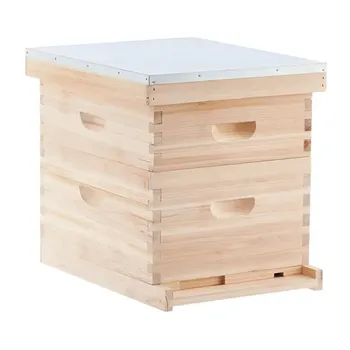
Tight construction limits breeding harbors
Small Hive Beetles seek narrow cracks, loose joints, unsealed frame gaps, and other areas that worker bees cannot effectively patrol. These spaces allow adults to avoid defensive bees while mating and laying eggs.
Precision-manufactured woodenware reduces the number and size of these refuges. Tight-fitting box joints, properly seated lids, and sound hive bodies make it more difficult for beetles to establish protected breeding sites.
Damaged woodenware creates hidden access points
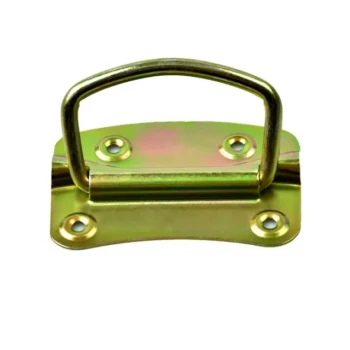
Warped boxes, split timber, loose handles, damaged rabbets, and poorly fitting covers can create persistent gaps between hive components. These defects are especially important in commercial operations because equipment is repeatedly moved, stacked, and exposed to weather.
Regularly repair or replace woodenware that can no longer maintain tight joints. Filling cracks and correcting poor fits is more effective than relying on colony strength to compensate for defective equipment.
Frame spacing affects bee access
Correct frame layout and standard bee space reduce dead zones where beetles can hide. When frames are properly spaced, worker bees can patrol more of the comb surface and intercept adult beetles before they reach protected areas.
Over-spaced frames, damaged frame lugs, and irregular components can create unnecessary voids. Standardized frames also make inspections faster, which is important when managing large numbers of colonies.
Entrance design supports colony defense
Adjustable entrance reducers can restrict the area that guard bees must defend and reduce the opportunity for beetles to enter. Smaller entrances may be particularly useful for weak colonies, during vulnerable periods, or when local conditions create high pest pressure.
Entrance dimensions should be matched to colony strength, ventilation needs, and climate. A restricted entrance is not a substitute for a healthy colony or sound woodenware.
How Maintenance Prevents Infestation
Clean bottom boards remove pest-supporting debris
Hive debris, wax fragments, dead bees, and spilled material can provide food or shelter for detritus-feeding pests and make early detection more difficult. Regular bottom-board inspection and cleaning reduce these opportunities.
Cleaning also provides an operational checkpoint. Unusual debris, larvae, fermentation odors, or beetle activity can indicate that a colony or equipment set requires immediate attention.
Unprotected frames increase risk
Frames that are not actively covered by bees are more vulnerable to Small Hive Beetles and wax moths. Excess supers, weakly occupied boxes, and poorly managed frame inventories can leave comb and honey stores insufficiently guarded.
Remove unnecessary frames from weak colonies and store surplus equipment in secure, dedicated conditions. Commercial operators should maintain clear inventory controls so unguarded equipment is not left exposed in the apiary.
Lids and box interfaces require routine inspection
Loose hive lids and poorly aligned box bodies create sheltered spaces that are difficult for bees to reach. These interfaces should be checked during every equipment cycle, particularly after transport or severe weather.
A practical inspection should verify:
- Lid fit and alignment
- Box joint integrity
- Cracks, holes, and splits
- Frame spacing and seating
- Entrance-reducer condition
- Bottom-board cleanliness
Extraction practices affect hive hygiene
Honey leaks and damaged storage areas can create odors and residues that attract pests or support fermentation. Extraction equipment should therefore be selected and operated to minimize unnecessary damage to honey and pollen stores.
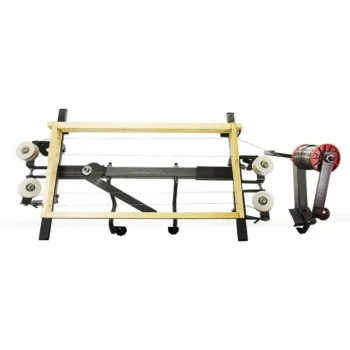
Professional, precise extraction tools can help preserve hive hygiene, but equipment cleanliness remains equally important. Any leaked material should be removed promptly rather than allowed to accumulate inside or around the hive.
How Apiary-Level Equipment Choices Affect Spread
Shared pallets can connect neighboring colonies
Hive pallets and transport bases are operationally efficient, but they can also create sheltered routes between adjacent hives. Contact points, gaps beneath boxes, and ground-level cavities may allow beetles to move between colonies.
Inspect pallets as part of the hive equipment system, not as separate transport accessories. Keep them clean, avoid unnecessary ground contact, and replace damaged pallets that provide persistent shelters or passageways.
Standardization improves control at scale
Standardized boxes, frames, lids, and bottom boards reduce variation across the apiary. This makes it easier to identify defects, perform rapid inspections, interchange components appropriately, and maintain consistent bee space.
For distributors and commercial operators, component compatibility is a pest-management feature, not only a purchasing convenience. A full, standardized equipment portfolio can reduce delays and prevent improvised combinations that create structural gaps.
Fast replacement reduces exposure time
Cracked or warped woodenware should not remain in service while awaiting a future maintenance cycle. Delayed replacement extends the period during which beetles can exploit defects.
Reliable supply, rapid response, and efficient fulfillment are therefore operational advantages. Keeping replacement lids, boxes, frames, reducers, and bottom boards available can shorten the time between defect detection and corrective action.
Understanding the Trade-offs
Entrance restriction must be balanced with ventilation
Smaller entrances can improve guard-bee interception, but excessive restriction may interfere with traffic flow and ventilation, particularly in strong colonies or hot conditions. Entrance management must account for colony population, season, and local weather.
Tight equipment does not replace colony strength
Sound woodenware reduces hiding places, but strong colonies remain essential. Weak or stressed colonies may fail to patrol all interior surfaces even when the hive is well manufactured.
Hive design and colony management should therefore be treated as complementary controls rather than alternatives.
Cleaning programs require operational discipline
Bottom-board cleaning and equipment inspection are effective only when performed consistently. In commercial apiaries, maintenance schedules should be documented and prioritized according to pest pressure, colony condition, equipment age, and movement between sites.
Standardization can expose supply-chain weaknesses
A standardized system performs well only when replacement components are dimensionally consistent and readily available. Poorly matched parts can create the same gaps that the standardization program was intended to eliminate.
Building a Commercial Control System
Specify woodenware for pest resistance
Procurement specifications should emphasize tight-fitting joints, accurate dimensions, durable materials, compatible frames, and lids that maintain alignment through repeated use. Quality control should include checks for warping, splits, gaps, and inconsistent bee space.
Maintain equipment by risk category
Prioritize equipment that is:
- Cracked or warped
- Difficult to clean
- Repeatedly exposed to spilled honey
- Used by weak colonies
- Stored with unguarded comb
- Located on damaged or ground-contact pallets
This approach directs labor and replacement budgets toward the equipment most likely to support infestation.
Integrate inspection with routine handling
Equipment inspection should occur during hive moves, supering, harvesting, requeening, and winter preparation. Combining tasks reduces labor duplication and helps ensure that structural defects are identified before they become infestation sites.
Choose suppliers that support continuity
For distributors, wholesalers, and commercial beekeepers, product quality is only one part of the equation. Consistent dimensions, broad product coverage, responsive technical support, and fast delivery help maintain a uniform equipment system across the operation.
Making the Right Choice for Your Goal
A practical purchasing and maintenance policy should connect hive hardware decisions to the risk profile of the entire apiary.
- If your primary focus is reducing beetle establishment: Prioritize precision woodenware, tight joints, sound lids, correct frame spacing, clean bottom boards, and adjustable entrance control.
- If your primary focus is preventing cross-infestation: Inspect and sanitize shared pallets, transport bases, supers, and other equipment that connects adjacent colonies.
- If your primary focus is operational efficiency: Use standardized, compatible components and maintain ready access to replacement boxes, frames, lids, reducers, and bottom boards.
- If your primary focus is protecting honey and comb: Remove unguarded frames, prevent leakage, use clean extraction equipment, and store surplus equipment securely.
- If your primary focus is managing apiary-wide risk: Combine equipment quality with strong colony management, scheduled inspections, documented sanitation, and rapid corrective action.
A well-designed and consistently maintained equipment system removes the physical opportunities Small Hive Beetles need to survive, reproduce, and spread.
Summary Table:
| Factor | Influence on Beetle Risk | Recommended Practice |
|---|---|---|
| Box & Joint Precision | Tight joints reduce hiding spots | Use precision-made woodenware |
| Damaged Equipment | Creates entry points | Repair or replace promptly |
| Frame Spacing | Proper spacing enhances bee patrol | Maintain standard bee space |
| Entrance Design | Adjustable reducers limit entry | Match entrance to colony strength |
| Bottom Board Cleanliness | Debris attracts pests | Regularly clean and inspect |
| Unprotected Frames | Vulnerable to beetle access | Store surplus equipment securely |
| Lids & Interfaces | Gaps allow shelter | Check fit and alignment routinely |
| Shared Pallets | Connect colonies, spread pests | Inspect and clean pallets |
| Standardization | Uniformity aids control | Use compatible components |
| Fast Replacement | Reduces exposure time | Keep spares readily available |
Protect your apiary from Small Hive Beetles with premium woodenware and equipment from HONESTBEE. As a leading wholesaler, we offer a full spectrum of beekeeping tools and machinery, ensuring tight-fitting, durable hives that minimize pest harborage. Our rapid delivery and dedicated support keep your operation running smoothly. For reliable supply and expert guidance, contact us today to discuss your needs.
Related Products
- Wholesales Dadant Size Wooden Bee Hives for Beekeeping
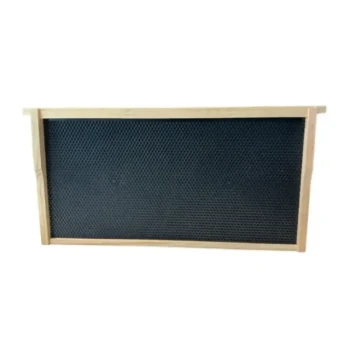
- Wooden Bee Hive Frames for Beekeeping and Wholesale
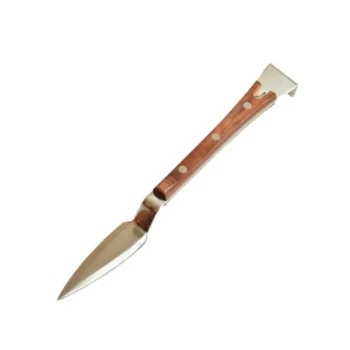
- HONESTBEE Premium Italian Style Hive Tool with Hardwood Handle
- Solid Bottom Board Australian Pine Wood Langstroth Bottom Board for Wholesale
- Assembled Wooden Bee Frames with Plastic Foundation for Durability and Convenience by HONESTBEE
People Also Ask
- What are the strategic benefits of installing beekeeping hives at an elevation of 1 to 6 meters? Protect Your Assets
- What are the key advantages of modern improved beekeeping hives? Scale Your Honey Yield and Production Efficiency
- What is the proper way to store unused bee hives? Expert Stacking Tips for Equipment Longevity
- What are the 2 types of bee hives? Langstroth vs. Top-Bar for Your Apiary
- How does the design of improved beekeeping hives contribute to maintaining honey quality and purity? Enhancing Purity