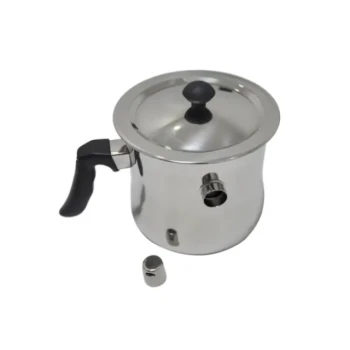
Beeswax repurposing functions as a closed-loop recycling system within the apiary to maximize resource efficiency. Beekeepers collect discarded honeycombs and wax cappings generated during harvest, process them through melting and filtration, and remanufacture the purified material into new beeswax foundation sheets for immediate reuse in the hive.
By transforming waste wax into standardized foundation sheets, beekeepers create a circular utilization model that lowers operational costs and significantly reduces the biological energy bees must expend on hive construction, thereby increasing potential honey yields.
The Mechanics of the Circular Cycle
Sourcing the Material
The recycling process begins with the collection of biomass byproducts. This primarily includes old combs that need replacement and wax cappings removed during the honey uncapping process.
Purification and Filtration
To ensure the repurposed wax is safe for reuse, it must undergo physical refining. Specialized equipment uses precise temperature-controlled melting to liquify the raw material.
Once melted, the wax passes through multi-stage filtration systems. This step is critical for removing physical debris and environmental pollutants, ensuring the final product meets high biological standards.
Remanufacturing Foundation Sheets
The clean, high-purity beeswax is not merely stored; it is mechanically pressed or molded into comb foundation sheets. These sheets serve as the structural base for the bees to draw out new comb, effectively closing the production loop.
Operational and Biological Benefits
Economic Efficiency
Implementing this circular model directly impacts the bottom line. By producing their own foundation sheets from byproducts, apiaries reduce the need to purchase external consumables, lowering overall operational costs.
High Biological Acceptance
Beeswax foundations derived from the colony's own byproducts offer a superior biological building material. Bees generally show higher acceptance rates for natural wax compared to synthetic alternatives, leading to faster comb construction.
Energy Conservation for the Colony
Recycling wax has a profound impact on colony productivity. When beekeepers provide ready-made foundation sheets, they reduce the metabolic energy bees must spend on secreting new wax.
This energy conservation allows the colony to redirect resources toward foraging and nectar processing. Consequently, this cycle indirectly increases the overall honey production of the colony.
Critical Considerations in Recycling
Equipment Investment vs. Scale
While beneficial, this process requires access to specialized processing machinery. For smaller operations, the cost of melting and pressing equipment must be weighed against the volume of wax available for recovery.
The Importance of Purity
Improper filtration can lead to the recycling of contaminants. If the refining process does not adequately remove pollutants or pathogens from the old comb, reintroducing the wax can negatively affect colony health.
Making the Right Choice for Your Goal
To determine if internal beeswax repurposing aligns with your apiary management strategy, consider the following specific objectives:
- If your primary focus is cost reduction: Utilize the circular model to transform uncapping waste into foundation sheets, eliminating the expense of purchasing new hive consumables.
- If your primary focus is honey productivity: Prioritize the use of recycled foundation sheets to minimize the wax-secreting workload of the bees, allowing them to focus energy on nectar collection.
Repurposing beeswax transforms a common byproduct into a strategic asset that enhances both the economic stability of the operation and the biological efficiency of the hive.
Summary Table:
| Stage | Action | Benefit |
|---|---|---|
| Sourcing | Collect old combs and wax cappings | Recycles biomass byproducts |
| Purification | Melting and multi-stage filtration | Removes debris and pollutants |
| Remanufacturing | Pressing into foundation sheets | Provides structural base for hives |
| Utilization | Reintroducing sheets to the colony | Reduces bee energy expenditure |
Maximize Your Apiary’s Potential with HONESTBEE
Transform your beekeeping operations into a high-efficiency circular model with HONESTBEE. As a premier partner for commercial apiaries and distributors, we provide the specialized machinery and hardware necessary to turn raw beeswax into high-quality foundation sheets.
Our comprehensive wholesale portfolio includes everything from honey-filling machines and hive-making equipment to the essential consumables that keep your business growing. Whether you are scaling a commercial apiary or supplying the industry, our tools are designed to lower your operational costs and boost biological productivity.
Ready to upgrade your equipment? Contact us today to explore our full spectrum of professional beekeeping solutions!
References
- Dipak Khanal, Shreekrishna Neupane. An Overview of Bee Keeping in Rupandehi District, Nepal over Seven Years. DOI: 10.3126/nepjas.v29i01.85433
This article is also based on technical information from HonestBee Knowledge Base .
Related Products
- Beeswax Foundation Sheets Beehive Foundation for Wholesale
- Beeswax Machine Press Embosser Wax Foundation Mold Printer Bee Hive Equipment Making Sheet
- Notebook Style Beeswax Foundation Mould Wax Foundation Mold
- Colorful Silicone Beeswax Foundation Mold Mould for Beekeeping
- Electric Beeswax Foundation Machine With Operating Tray and Wax Foundation Roller
People Also Ask
- What are the technical advantages of beeswax foundations and feeding tools? Optimize Your Bee Breeding Phase
- Why is the regular exchange and replacement of beeswax foundations encouraged? Boost Honey Yield & Hive Biosafety
- What are the negative consequences of using old or contaminated beeswax in foundations? Protect Your Hive Today
- Why is high-purity natural beeswax essential for foundations? Prevent Larval Mortality & Boost Colony Health
- What are the specific advantages of regular comb replacement? Boost Hive Health with New Beeswax Foundations