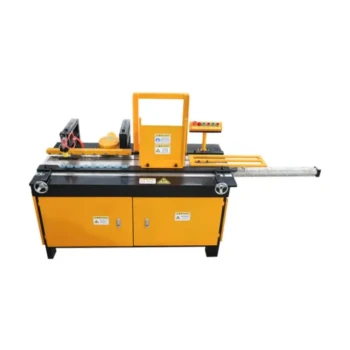
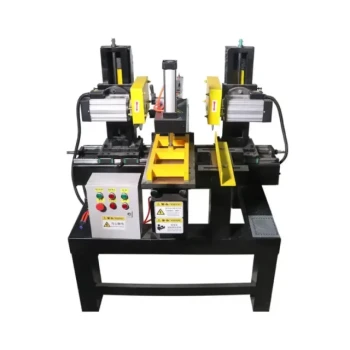
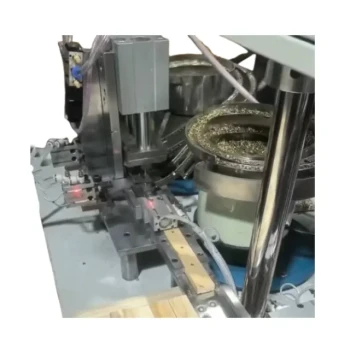
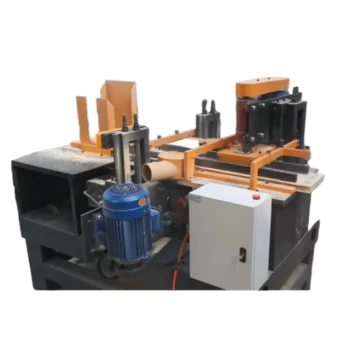
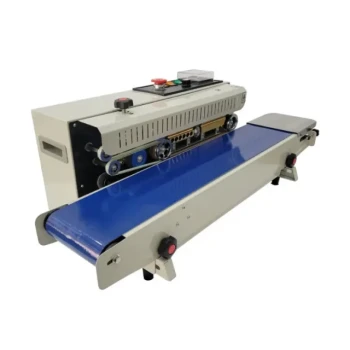
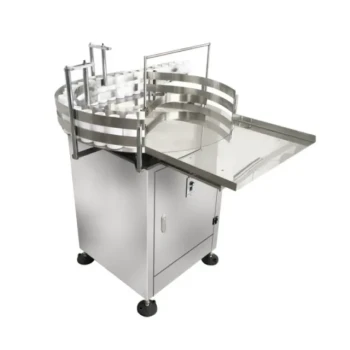
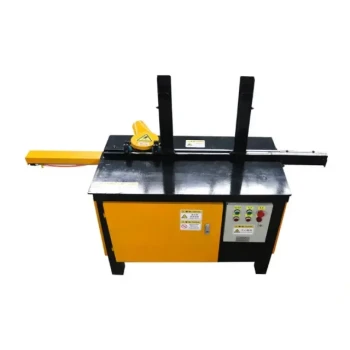
The repair process is fundamentally streamlined by the machinery's open architecture. Instead of relying on proprietary components, the system is engineered using off-the-shelf parts that are readily available from a wide network of Original Equipment Manufacturer (OEM) suppliers. This approach ensures that when maintenance is required, the necessary components can be sourced immediately to facilitate a quick repair.
The machine’s design prioritizes accessibility over exclusivity, ensuring that necessary repairs are never delayed by specialized manufacturing lead times or single-source bottlenecks.
The Strategy Behind Accessible Maintenance
The core of this machine's maintainability lies in its rejection of "black box" engineering. By utilizing standard industrial components, the manufacturer has decoupled the machine's uptime from their own internal supply chain.
Reducing Supply Chain Risk
You are not dependent on a single entity for your spare parts. Because the machine utilizes off-the-shelf components, you have access to a global marketplace of numerous OEM suppliers.
This redundancy acts as a safety net. If one supplier is out of stock or ceases operations, alternative vendors can provide the exact same component without compatibility issues.
Accelerating Repair Timelines
The primary goal of this design is speed. Custom-fabricated parts often require weeks or months to manufacture and ship.
In contrast, standard OEM parts are typically stocked in local distribution centers. This availability transforms potential weeks of downtime into a matter of days or even hours.
Operational Advantages
Beyond simple availability, this approach offers distinct strategic advantages for your operations team.
Simplifying Inventory Management
Your maintenance team likely already stocks or is familiar with these standard components. This reduces the learning curve for technicians and simplifies the logistics of keeping critical spares on hand.
Competitive Pricing
Because the parts are available from multiple sources, you are not locked into a monopoly price set by the machine builder. You have the leverage to shop around for the best pricing among various suppliers.
Understanding the Trade-offs
While using off-the-shelf parts is generally superior for maintenance, there are specific nuances you must manage to ensure system integrity.
Verification of Specifications
Not all "standard" parts are created equal. You must ensure that replacement parts sourced from third parties meet the exact specifications required by the machine's design.
Quality Control Variance
Sourcing from numerous suppliers introduces variables in manufacturing quality. It is critical to vet new suppliers to ensure their OEM components match the durability and tolerances of the original parts.
Optimizing Your Maintenance Strategy
To fully leverage the benefits of this machine's design, you should adjust your procurement and maintenance protocols accordingly.
- If your primary focus is Uptime: Identify the critical off-the-shelf components and map out multiple local suppliers who stock them for same-day delivery.
- If your primary focus is Cost Control: Utilize the competitive nature of the open market to bid out annual supply contracts for high-wear items.
- If your primary focus is Quality Assurance: Establish a strict "approved vendor list" to ensure that the freedom of choice does not compromise part reliability.
By treating the machine's open design as a strategic asset, you turn maintenance from a passive dependency into a manageable, predictable process.
Summary Table:
| Feature | Open Architecture Benefits | Operational Impact |
|---|---|---|
| Component Sourcing | Non-proprietary, off-the-shelf OEM parts | No single-source bottlenecks; global availability |
| Repair Speed | Eliminates custom manufacturing lead times | Reduced downtime from weeks to hours/days |
| Cost Control | Competitive multi-vendor marketplace | Lower parts costs; no monopoly pricing |
| Inventory | Compatible with standard industrial stock | Simplified logistics and easier technician training |
Maximize Your Apiary Productivity with HONESTBEE
At HONESTBEE, we understand that for commercial apiaries and distributors, equipment downtime means lost revenue. That’s why our comprehensive range of beekeeping machinery—from honey-filling machines to specialized hive-making equipment—is designed for maximum uptime and easy maintenance.
We provide the global beekeeping industry with a full spectrum of tools, hardware, and essential consumables built for reliability. Partner with us to access professional-grade equipment and the technical support your large-scale operation deserves.
Ready to upgrade your production line? Contact our expert team today to discuss our wholesale offerings and how we can streamline your beekeeping operations.
Related Products
- Fully Automatic Beeswax Embossing Machine Foundation Mill
- Frame Eyelets Assembly Machine Bee Frame Eyelets Fitting Machine Eyelets Machine
- HONESTBEE Top Bar & Bottom Bar Forming Machine | Bee Frame Machine
- Beehive Handle and Frame Rest Cutting Machine: Your Specialized Hive Machine
- Beehive Machine Double End Saw for Precision Hive Component Manufacturing
People Also Ask
- What are the advantages of implementing a pulley and belt drive system in beeswax foundation machinery? Master Quality.
- What are the primary technical challenges faced by beeswax foundation production machinery? Tackling Lipophilic Residues
- What are the castings of the beeswax foundation machine made of? Precision Engineering for Efficient Beekeeping
- What texture is embossed on the beeswax foundation machine? The Precise Worker Bee Cell Pattern for Hive Efficiency
- What are the main components of a beeswax foundation sheet machine? A Guide to Efficient Production